What are SMC modular pneumatic devices and which industries use them most frequently?
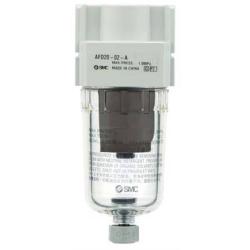
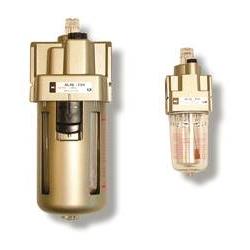
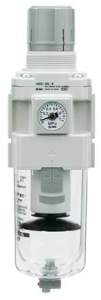
SMC modular pneumatic devices are standardized air preparation components designed in modular construction, including filter regulators, controllers, and backflow function units like the AW20-B to AW60-B series. These devices enable precise air treatment through filtration, pressure regulation, and flow control in compressed air systems operating at typical industrial pressures of 0.05 to 1.0 MPa. Manufacturing industries rely heavily on these modular units for automated production lines, packaging equipment, and pneumatic actuator control systems. The modular design allows engineers to configure custom air preparation stations by combining individual components according to specific application requirements. Automotive assembly plants, food processing facilities, and semiconductor manufacturing operations represent the primary user industries due to their critical need for clean, regulated compressed air supply.
What are the key technical selection criteria for SMC modular pneumatic air treatment units?
Selection of SMC modular pneumatic units requires evaluation of operating pressure range, typically 0.05 to 1.0 MPa for the AW series, along with port connection sizes ranging from G1/4 to G3/4 threads. Flow capacity specifications determine component sizing, with models like AW40 and AW60 indicating different volumetric flow ratings measured in standard liters per minute at 0.5 MPa differential pressure. Filtration grade selection depends on application cleanliness requirements, with standard 40-micron elements for general applications and 5-micron options for precision pneumatic systems. Temperature compatibility extends from -10°C to +60°C for standard elastomer seals, while media compatibility includes compressed air, inert gases, and specific industrial gases depending on seal material selection. Pressure regulation accuracy typically ranges from ±2% of set pressure across the full flow range for most SMC modular regulators.
Which international standards and certifications apply to SMC modular pneumatic air treatment systems?
SMC modular pneumatic devices comply with ISO 8573-1 compressed air quality standards, defining cleanliness classes for particles, water content, and oil vapor contamination levels. Electrical components within these systems meet IEC 60947 low-voltage switchgear standards and carry CE marking indicating European Conformity under the Machinery Directive 2006/42/EC. Pressure vessel regulations according to EN ISO 4414 govern the design and testing of pneumatic system components, ensuring safe operation at rated working pressures up to 1.0 MPa. Components intended for potentially explosive atmospheres carry ATEX certification per EN 60079 series standards, particularly relevant in chemical processing and paint spray applications. Material certifications include RoHS compliance for electronic components and food-grade approvals per FDA 21 CFR 177 for components contacting food products in packaging machinery applications.
What are the main differences between SMC AW series modular device variants and model designations?
SMC AW series designation indicates body size and functional differences, with AW20, AW40, and AW60 representing increasing flow capacities and port sizes from G1/4 to G3/4 connections respectively. Suffix codes define specific configurations, where 'F10' indicates filter-regulator combination, 'CE3' or 'DE3' specify different pressure sensing mechanisms, and 'B' denotes bracket mounting style. Models with 'R' designation include pressure relief valve function for downstream pressure protection, while 'ZA' suffix indicates zinc-plated finish for enhanced corrosion resistance in humid environments. The 'K' variant as seen in AW60K models provides backflow prevention function, critical for applications where reverse flow could contaminate upstream air supply systems. Standard operating pressure ranges remain consistent across the series at 0.05 to 1.0 MPa, with flow capacity scaling proportionally to body size designation.
What are the installation requirements and system compatibility considerations for SMC modular pneumatic units?
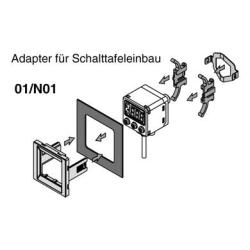
SMC modular pneumatic units require horizontal mounting orientation with filter bowls positioned vertically downward to ensure proper condensate drainage and particle separation efficiency. System integration utilizes standardized bracket mounting with M5 or M6 fasteners depending on unit size, while interconnection between modules employs precision-machined aluminum spacers maintaining proper seal compression. Port connections accommodate NPT or G-thread fittings from G1/8 to G3/4, with thread sealant or O-ring seals depending on connection type and pressure rating up to 1.0 MPa maximum working pressure. Upstream air supply must include adequate moisture separation since these units provide final conditioning rather than primary dehydration, typically requiring inlet air dew point below +10°C at operating pressure. Electrical connections for pressure switches or monitoring equipment require IP54 protection rating and cable entries sized for standard industrial automation wiring practices.
What safety ratings and environmental operating ranges apply to SMC modular pneumatic air treatment components?
SMC modular pneumatic devices operate safely within ambient temperature ranges of -10°C to +60°C with standard NBR elastomer seals, extending to -20°C to +80°C with optional fluorocarbon seals for harsh chemical environments. Electrical components maintain IP54 protection rating against dust ingress and water spray, suitable for typical industrial environments but requiring IP65 or higher enclosures in washdown applications. Maximum working pressure rating reaches 1.0 MPa with safety factor of 4:1 according to ISO 4414 pneumatic safety standards, while burst pressure testing exceeds 4.0 MPa for all pressure-containing components. Vibration resistance complies with IEC 60068-2-6 standards up to 10G acceleration at 55Hz, ensuring reliable operation on mobile machinery and high-vibration manufacturing equipment. Media compatibility includes compressed air, nitrogen, and inert gases with maximum oil content of 40mg/m³ according to ISO 8573-1 Class 4 specifications for standard seal materials.
What maintenance schedule and service intervals are recommended for SMC modular pneumatic air treatment systems?
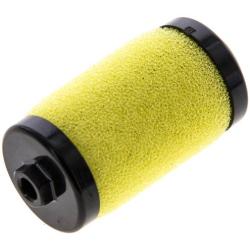
SMC modular pneumatic systems require filter element replacement every 8760 operating hours or annually under normal industrial conditions, with intervals reduced to 4380 hours in high-contamination environments exceeding ISO 8573-1 Class 6 inlet air quality. Visual inspection of transparent filter bowls should occur weekly to monitor contamination buildup and condensate levels, with automatic drain valves requiring monthly functional testing to prevent moisture accumulation. O-ring seals and gaskets typically maintain effectiveness for 24 months or 10,000 pressure cycles, whichever occurs first, with replacement recommended during scheduled maintenance shutdowns. Pressure regulator calibration verification follows annual intervals using certified reference gauges accurate to ±0.5% full scale, ensuring continued compliance with ±2% regulation accuracy specifications. Component service life averages 10 years under normal operating conditions within rated temperature and pressure parameters, with replacement recommended when regulation accuracy degrades beyond ±5% of set pressure.