
ESD protection
Flooring
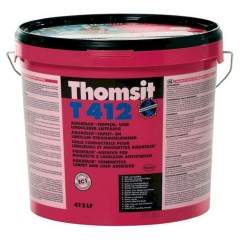
The floor is the largest continuous surface in an EPA and carries the charge that people generate by walking. The choice follows three questions: which resistance range the ESD control programme to DIN EN 61340-5-1 requires, whether the floor should be bonded or removable, and whether joints are a problem for hygiene or mechanical reasons. Those three questions lead to the four construction types below, plus the adhesives, earthing strips and tapes that belong to every installation.
- 247 items
- 5 subcategories
- 10 manufacturers
- Net prices plus VAT







Buying guide
How to choose Flooring
What matters when choosing: properties, comparison and typical applications.
Which construction fits
| Construction | Installation | Joints | Removal | Typical case |
|---|---|---|---|---|
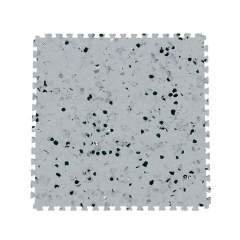
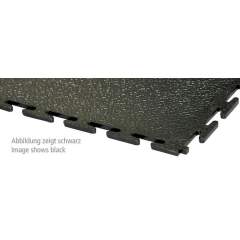
| Interlocking tile | loose laid, interlocked | tile grid | complete, no residue | rented premises, temporary EPA, changing layout |
| Glue-down tile | fully bonded | tile grid | only with effort | raised access floor, later partial replacement |
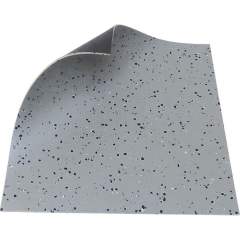
| Sheet flooring | fully bonded and welded | few, welded seams | only with effort | cleanroom, GMP, wet cleaning, large areas |
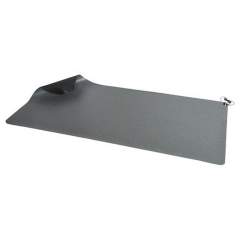
| Floor mat | loose laid | mat edge | immediate | a single workstation rather than a whole area |
Floor mats for a single workstation are not part of this category and are listed under table and floor matting.
What stays the same across all constructions
Typical applications
ESD floor coverings are installed wherever people handle electrostatically sensitive devices: in electronics manufacturing and SMT assembly, in test areas and repair workshops, in data centres and control rooms, in pharmaceutical and semiconductor cleanrooms, in clinical function rooms and in areas with an explosive atmosphere.