Industrial technology

Industrial solutions on esd.equipment brings together technologies for electronics manufacturing and general industrial operations: measuring and testing technology (Kern & Sohn), pneumatics and hydraulics, linear technology, dispensing, component processing and PCB handling complement the core ESD range. Optical inspection with Dino-Lite microscopes, ultrasonic baths, industrial ovens and detectable products for HACCP areas complete the offering. The range is aimed at electronics manufacturers, machine builders and industrial maintenance departments.

Categories

All areas for Industrial technology

Pick an area to see its products and filters.
Advantages

Technical breadth

The key technical properties at a glance.

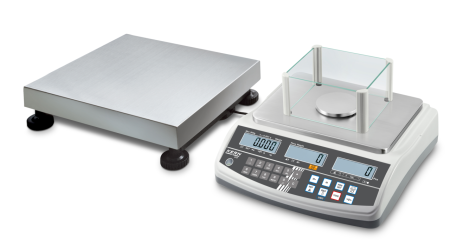
📏 Measuring and testing technology - Kern & Sohn balances, test weights, measuring and optical instruments
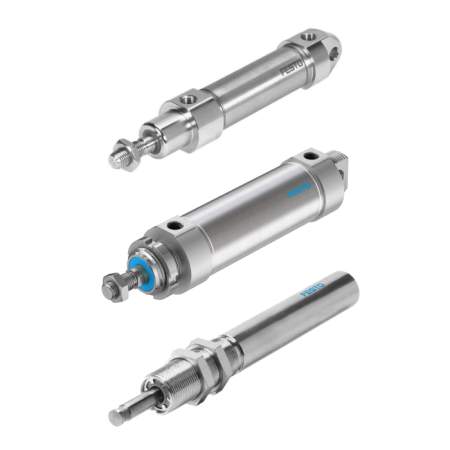
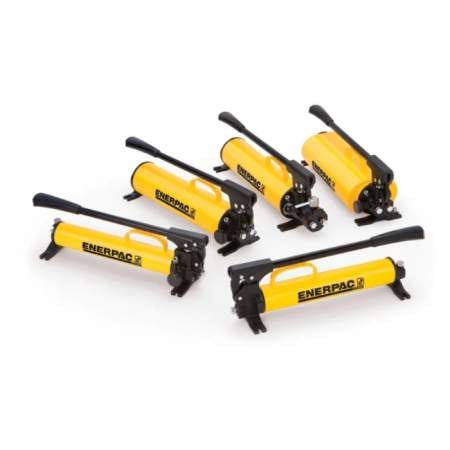
⚙ Pneumatics and hydraulics - SMC, Aventics, Festo; cylinders, valves, couplings, ball valves, compressors
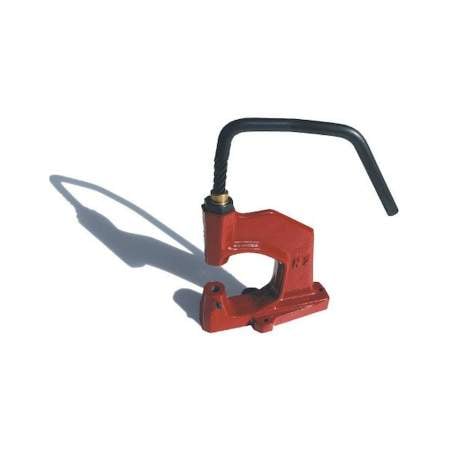
✓ Component processing - Burst&Zick, Ebso, Schleuniger, Iteco for cutting, forming, depaneling
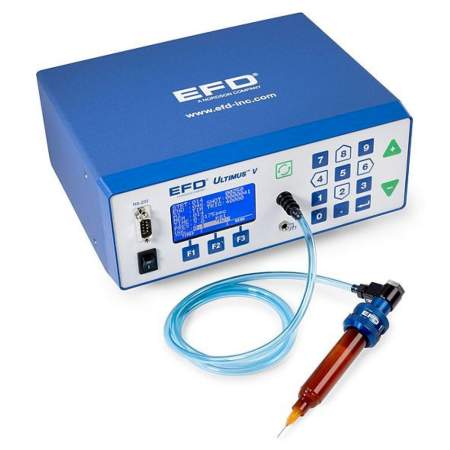
⛤ EFD Ultimus dispensing - pneumatic dispensing valves and accessories for adhesive, solder and encapsulant dispensing
🛡 HACCP-detectable products - Franz Mensch Hygostar, metal detector and X-ray detectable
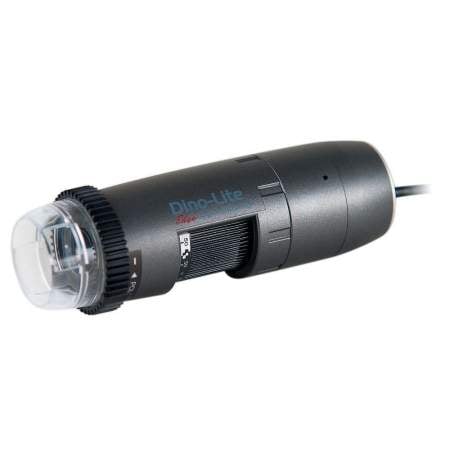
📦 Optical inspection and cleaning - Dino-Lite microscopes, ultrasonic baths, industrial ovens

In detail

Category overview by application field

The key data in table form.

Application fieldCategory
Weighing, testing and calibrationMeasuring and testing technology (Kern & Sohn)
Pneumatic drives and controlPneumatics (SMC, Aventics, Festo)
Hydraulic power transmissionHydraulics
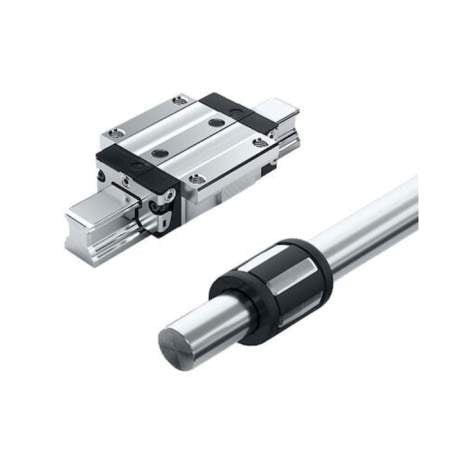
Precision guides and linear axesLinear technology Bosch Rexroth
Adhesive and solder dispensingDispensing technology (EFD Ultimus)
THT component preparationComponent processing (Burst&Zick, Ebso, Iteco)
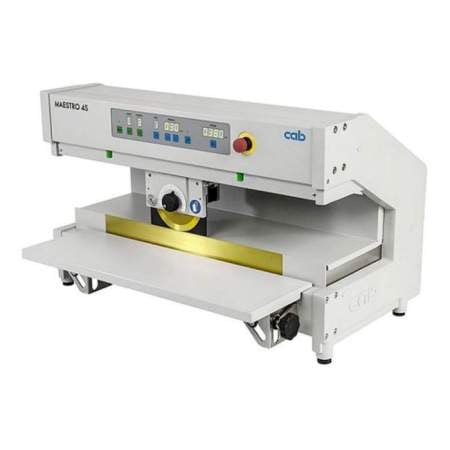
SMT PCB logisticsPCB processing & handling (cab)
Component drying and MSL managementIndustrial ovens (Iteco)
Visual quality inspectionOptical inspection (Dino-Lite)
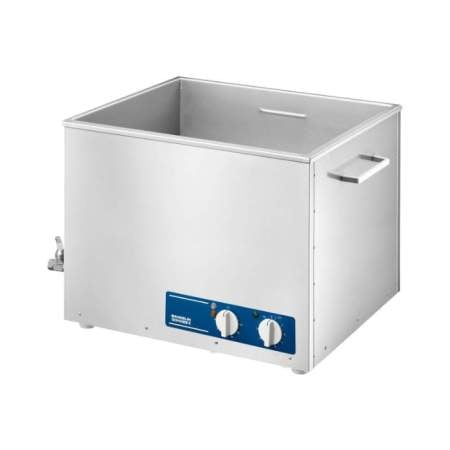
Cleaning of PCBs and partsUltrasonic baths
HACCP foreign-body controlDetectable products (Franz Mensch)

Applications

Typical applications

Where these products are typically used.

  • SMT and THT electronics manufacturing (PCB handling, component processing, industrial ovens)
  • pneumatic and hydraulic drive technology in special-purpose machines and assembly automation
  • adhesive and solder dispensing in PCB production (EFD)
  • weighing and testing in the laboratory (Kern & Sohn)
  • quality assurance and inspection (Dino-Lite, ultrasonic)
  • and food and pharmaceutical manufacturing with HACCP requirements (detectable products)

FAQ

Frequently asked questions about Industrial technology

What are pneumatic and hydraulic systems and their primary industrial applications?
Pneumatic and hydraulic systems are power transmission technologies that use compressed air or hydraulic fluid respectively to generate controlled mechanical motion and force. Pneumatic systems typically operate at pressures between 6-10 bar and are extensively used in packaging machinery, automotive assembly lines, and food processing equipment due to their clean operation and fast response times. Hydraulic systems operate at much higher pressures from 50-350 bar and are preferred in heavy industrial applications including construction equipment, metal forming presses, and injection molding machines where high force density is critical. Both technologies enable precise positioning control through actuators like the Festo DAPS series rotary actuators which provide reliable angular positioning in automated production environments.
What are the key technical selection criteria for pneumatic and hydraulic actuators?
Selection of pneumatic and hydraulic actuators depends on torque requirements, rotation angle, operating pressure range, and mounting configuration. The Festo DAPS-4000 series provides 4000 Nm torque output with 90-degree rotation angles, while the DAPS-2880 series delivers 2880 Nm torque for applications requiring lower force levels. Operating pressure typically ranges from 1.4 to 8 bar for pneumatic systems, with port sizes standardized to G1/4, G3/8, or G1/2 connections depending on flow requirements. Actuator sizing must account for load inertia, cycle frequency, and ambient temperature effects on seal materials, with PTFE seals recommended for temperatures exceeding 80°C in continuous operation.
Which international standards apply to pneumatic and hydraulic components?
Pneumatic and hydraulic components must comply with ISO 15552 for cylinder dimensions and mounting interfaces, ensuring global interchangeability between manufacturers. The ISO 4414 standard defines safety requirements for pneumatic systems including maximum allowable working pressures and filtration requirements, while ISO 4413 covers hydraulic system safety with specific provisions for pressure relief and contamination control. ATEX certification under Directive 2014/34/EU is mandatory for components used in potentially explosive atmospheres, with equipment categories ranging from Category 1G for Zone 0 gas environments to Category 3D for Zone 22 dust applications. Additional compliance with EN 982 for pneumatic safety and IEC 60947 for electrical switching elements ensures comprehensive system certification.
What are the differences between DAPS series rotary actuator variants?
The Festo DAPS series rotary actuators differ primarily in torque output, rotation range, and mounting configurations to suit specific application requirements. DAPS-2880 models provide 2880 Nm maximum torque with standard 90-degree rotation suitable for valve automation and indexing applications, while DAPS-4000 variants deliver 4000 Nm torque for heavy-duty clamping and positioning tasks. The RS1 through RS4 designations indicate different sensor integration options, with RS1 providing basic position feedback and RS4 offering advanced multi-position sensing capabilities. Port sizes vary between F16 and F25 configurations, with F25 providing higher flow capacity for faster actuation speeds in high-cycle applications requiring sub-second positioning times.
What are the installation requirements and system compatibility considerations?
Pneumatic and hydraulic actuator installation requires proper system pressure regulation, filtration to ISO 8573 Class 7 or better, and compatible mounting hardware meeting ISO 15552 specifications. Supply pressure must be regulated within ±2% of nominal operating pressure to ensure consistent actuator performance, with inline pressure gauges and relief valves installed according to ISO 4414 safety requirements. Electrical connections for position sensors require IP65 rated M12 connectors with properly shielded cables to prevent electromagnetic interference in industrial environments. System compatibility extends to seal materials, with NBR seals standard for mineral oil hydraulics and FKM seals required for synthetic fluids or elevated temperature applications above 80°C continuous operation.
What safety ratings and environmental operating ranges apply to these systems?
Industrial pneumatic and hydraulic components typically feature IP65 protection ratings for dust and water ingress resistance, enabling operation in harsh manufacturing environments with washdown requirements. Operating temperature ranges span from -20°C to +80°C for standard NBR seal configurations, extending to +150°C with specialized FKM elastomers for high-temperature applications. Pneumatic systems operate safely at working pressures up to 10 bar with proof pressure testing to 15 bar, while hydraulic systems handle working pressures from 50 to 350 bar depending on component design. Safety certification includes CE marking for European market compliance and compliance with Machinery Directive 2006/42/EC for integration into automated production equipment requiring Category 3 or 4 safety performance levels.
What maintenance schedules and service life expectations apply to pneumatic hydraulic systems?
Pneumatic systems require preventive maintenance every 8000 operating hours or annually, including air filter replacement, lubricator oil level checks, and pressure regulator calibration verification to maintain ISO 8573 air quality standards. Hydraulic systems demand more frequent attention with filter changes every 2000 hours and fluid analysis every 1000 operating hours to monitor contamination levels and additive depletion. Seal replacement intervals typically range from 2-5 years depending on duty cycle and operating conditions, with actuators like the Festo DAPS series designed for 2 million cycles minimum service life under rated load conditions. Critical inspection points include connection torque verification to manufacturer specifications, typically 25-40 Nm for G3/8 fittings, and annual pressure relief valve testing to ensure proper safety system function.