
Tools
Professional tools for electronics, electrical engineering, Ex protection and general industrial use: the range on esd.equipment brings together leading brands including Wiha, Wera, Bernstein, Proxxon, C.K and Bahco in one place. From ESD-precision tools for EPA zones, through non-sparking copper-beryllium tools for ATEX areas, to electric screwdrivers and torque tools for documented manufacturing processes, all key tool categories are covered.
Hand tools, screwdrivers and sets are designed for sustained professional use in manufacturing, maintenance and service. All ESD-compatible tools comply with DIN EN 61340-5-1 requirements for Electrostatic Protected Areas (EPA).
Categories
All areas for Tools
Pick an area to see its products and filters.
 Electric screwdriversHios, Kilews, Delvo with controllers and accessories482 items →
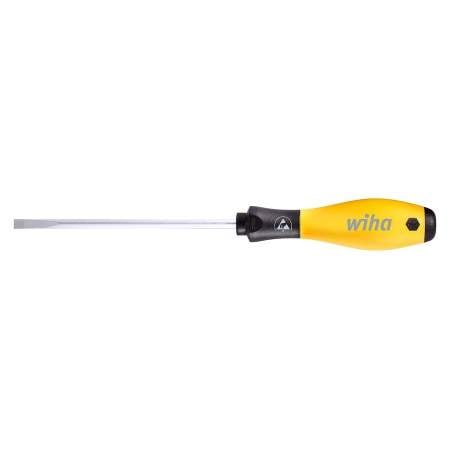 ESD Tools to IEC 61340-5-1Dissipative tools for EPA areas1,415 items →
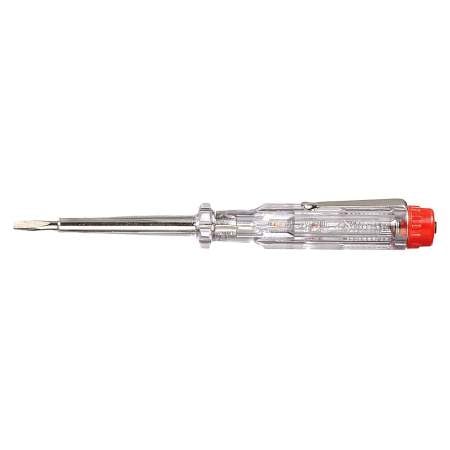 VDE 1000 V Tools to IEC 60900Insulated and tested for work up to 1000 V1,119 items →
 Non-sparking toolsCopper beryllium and aluminium bronze for ATEX zones649 items →
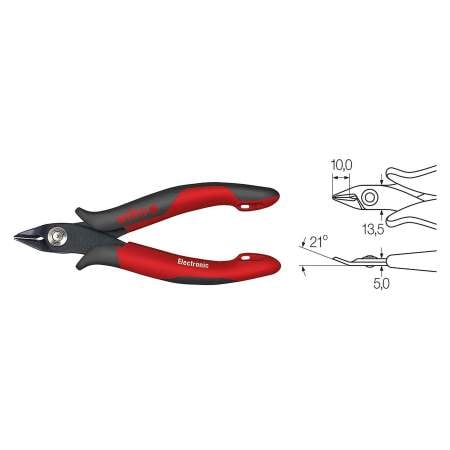 Pliers and Cutting ToolsDiagonal cutters, gripping, combination and pipe pliers2,304 items →
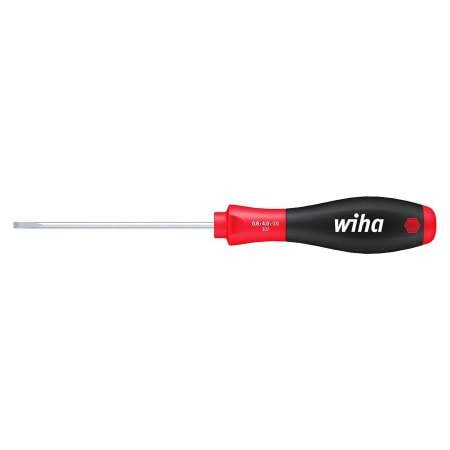 Screwdrivers and BitsSlotted, Phillips, TORX, bits and hex keys3,887 items →
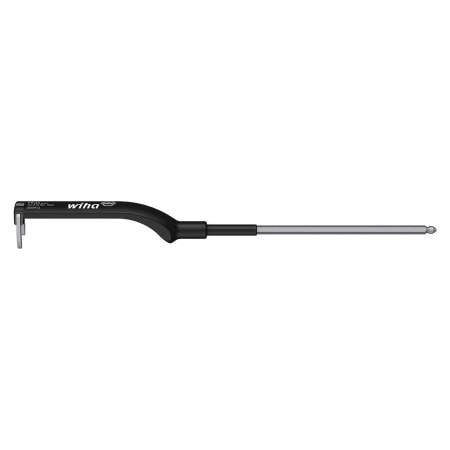 Wrenches and SocketsOpen end, ring spanners and socket inserts1,699 items →
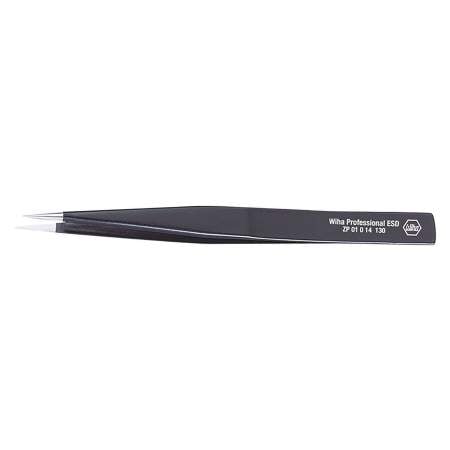 TweezersPrecision, SMD, reverse action, ceramic and wafer707 items →
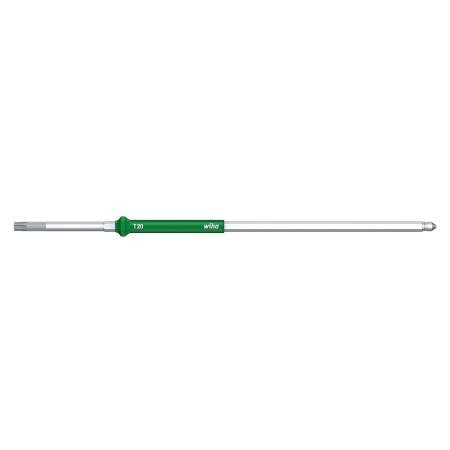 Torque ToolsScrewdrivers, wrenches and adapters with defined torque578 items →
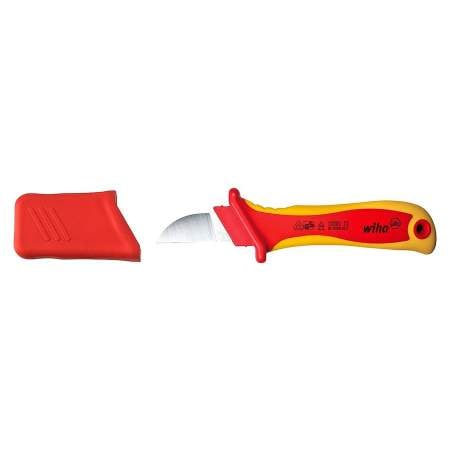 Stripping, Crimping and Cable ProcessingStripping, crimping and interchangeable dies642 items →
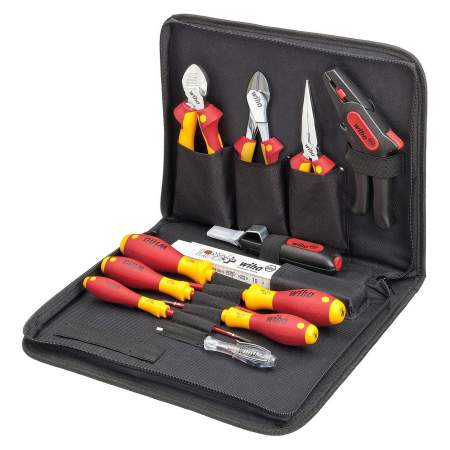 Tool Sets, Cases and BagsElectronics and ESD sets, cases, bags, inlays629 items →
 Knives, Scissors and SawsKnives, scalpels, scissors, saws and spare blades258 items →
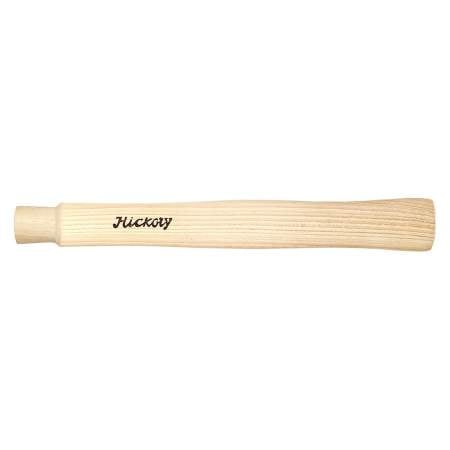 Hammers and Striking ToolsSoft face and engineers hammers, chisels and spares190 items →
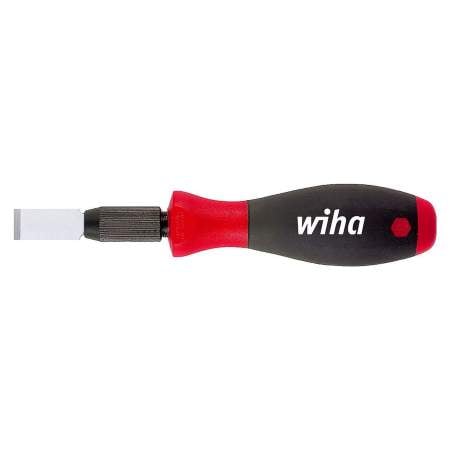 Files, Grinding and DeburringFiles, rasps, brushes and abrasives81 items →
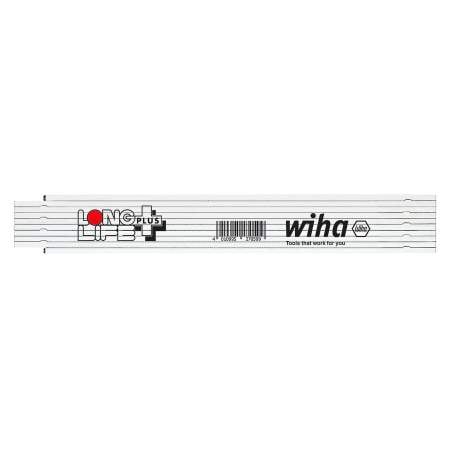 Measuring and Testing ToolsRules, tape measures and voltage testers59 items →
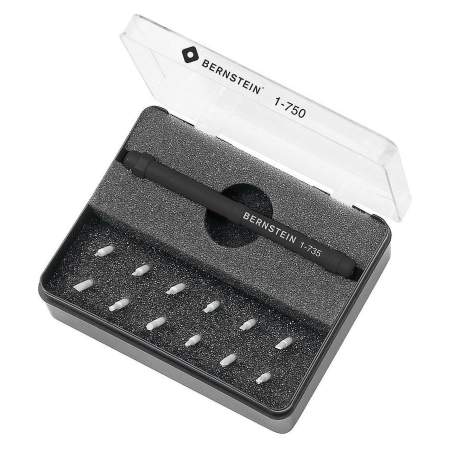 Special Purpose ToolsAlignment, clamping, holding, lifting and inspection335 items →
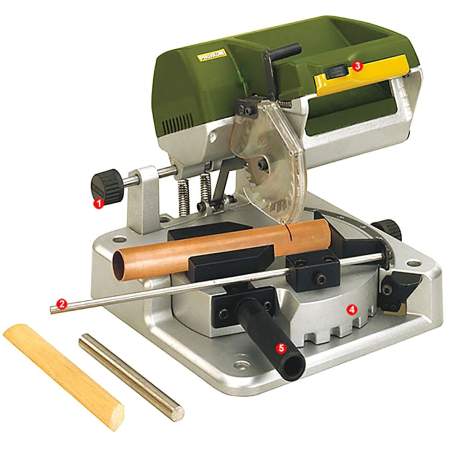 Proxxon InstrumentsMicromot machines and industrial hand tools1,012 items →
 Völkel threading toolsTaps, dies, V-COIL inserts and gauges409 items →
 Chemicals, Cleaners & SpraysContact cleaners, sprays, oils and protective coatings116 items →
 Other ToolsPrevious structure of the hand tool section347 items →
 BrandsThe tool programme by manufacturer4,961 items →
 Markers and Scribing ToolsDeep-hole markers, construction markers and paint markers for metal, wood and site work168 items →
Advantages
Technical advantages and range breadth
The key technical properties at a glance.
In detail
Brands and product focus
The key data in table form.
| Brand | Product focus | Note |
|---|---|---|
| Wiha | Screwdrivers, LiftUp bit magazine, System 6 | ESD variants available |
| Wera | Kraftform, ZyklOp, Joker, BlackLaser | Lasertip, ESD Micro sets |
| Bernstein | ESD tool sets, screwdrivers | Specialised for EPA areas |
| Proxxon | Fine mechanics machine tools | Drill stands, grinders, milling |
| Kilews | Electric screwdrivers | ESD-safe assembly screwdrivers |
| C.K / Bahco | Hand tools, non-sparking tools | CuBe ATEX, ESD Sensoplus |
Applications
Typical applications
Where these products are typically used.
- Electronics manufacturing and SMT assembly (ESD tools for EPA zones)
- electrical installation and panel building (strippers, crimping pliers, side cutters)
- maintenance in ATEX areas (non-sparking CuBe tools)
- fine mechanics and laboratory instrument development (Proxxon)
- automotive and machine service (torque tools, socket sets)
- and food and logistics operations (detectable safety knives)
FAQ