
ESD protection
ESD protection equipment prevents electrostatic discharge (ESD) events at sensitive components and assemblies within an EPA (Electrostatic Protected Area) according to DIN EN 61340-5-1. The range covers ESD clothing and footwear, grounding systems, mats and floor coverings, ionizers, test instruments and identification materials. All product groups are designed for the coordinated implementation of a complete EPA.
ESD protection only works as a system: personnel grounding, antistatic work surfaces, dissipative flooring and regular measurements with calibrated test instruments must work together. The range covers each of these areas and includes associated consumables such as cleaning agents, sprays and films.
Categories
All areas for ESD protection
Pick an area to see its products and filters.
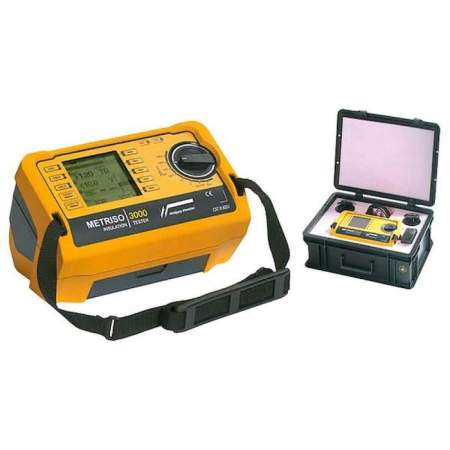 Measuring technologyResistance meters, wrist strap testers, field meters398 items →
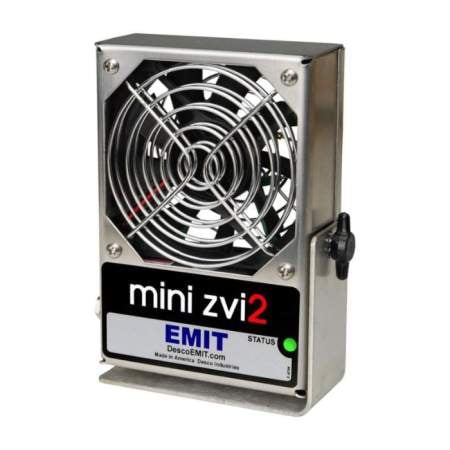 IonizersIonizing blowers and bars for neutralizing charges on insulators189 items →
 ClothingCoats, gloves and wrist straps for EPA zones4,044 items →
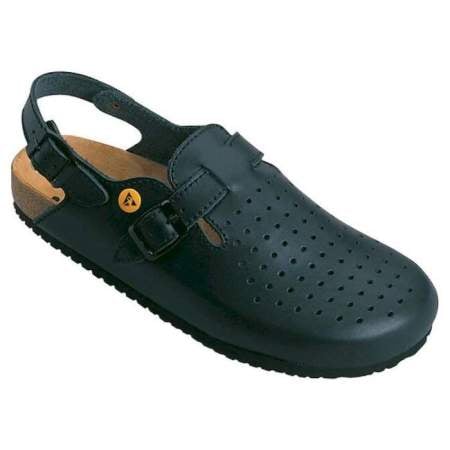 ShoesCertified ESD footwear per EN 61340 and EN ISO 20345439 items →
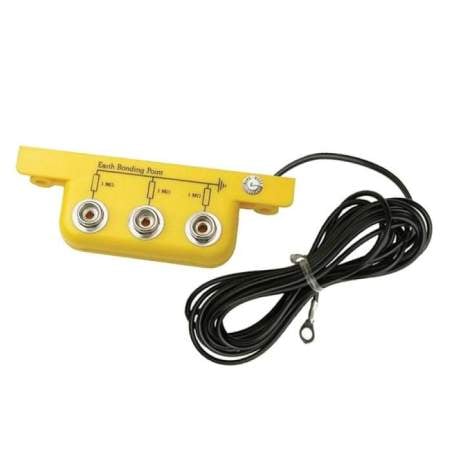 Grounding systemsGround cables, ground points and accessories for EPA grounding363 items →
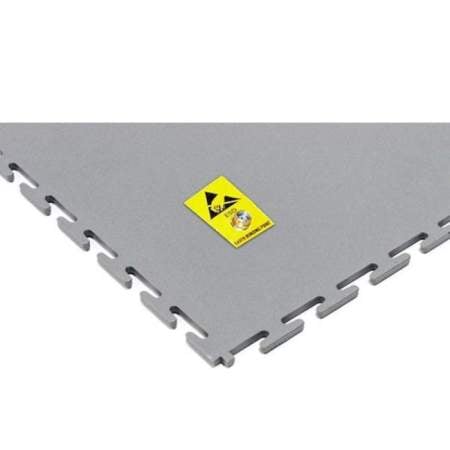 FlooringDissipative tiles, rolls and epoxy floors for EPA areas258 items →
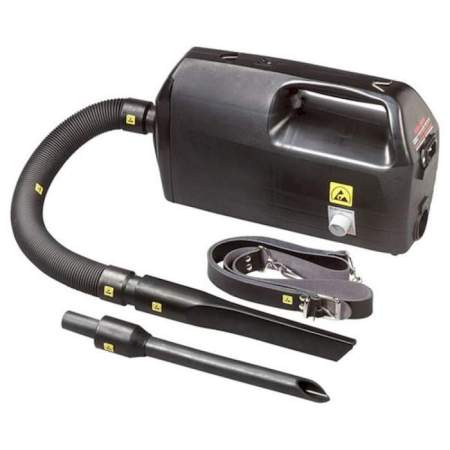 Cleaning and careCleaning and maintenance products for dissipative surfaces407 items →
 Mats and table coversBench and floor mats, dissipative and conductive, with grounding snap272 items →
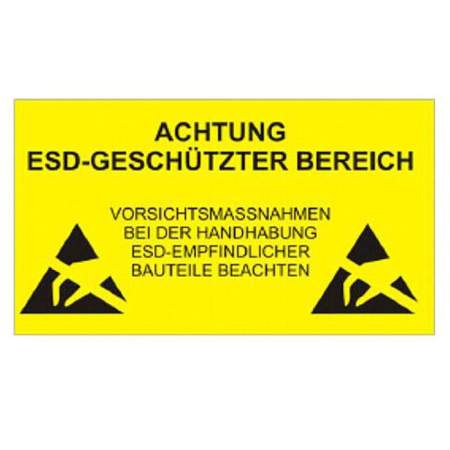 Marking and labelsLabels, signs and floor markings for EPA zone identification222 items →
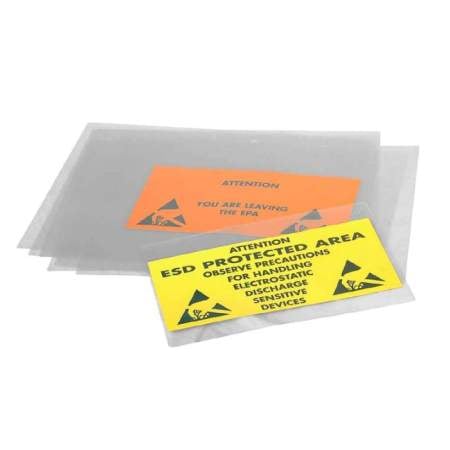 Office suppliesAntistatic binders, folders, writing pads and office articles176 items →
 FilmsDissipative and shielding films for transport and storage19 items →
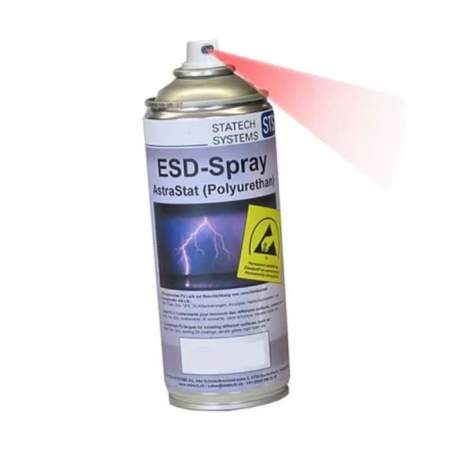 Sprays and coatingsAntistatic sprays and coatings for temporary and permanent protection11 items →
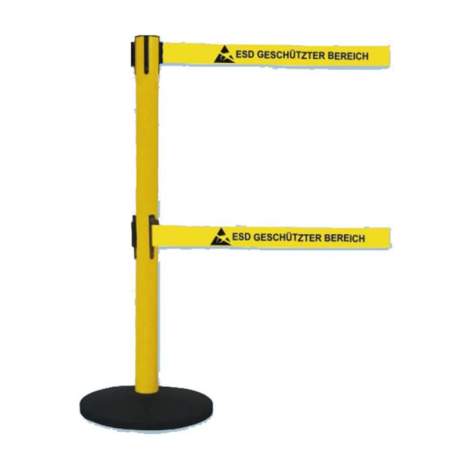 Barrier systemsAccess control and demarcation for EPA zones45 items →
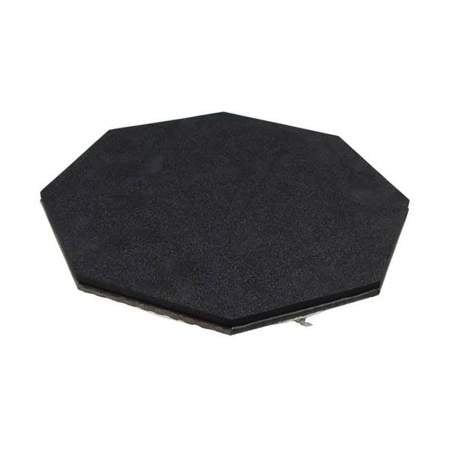 TurntablesDissipative turntables and ball tables for EPA workstations4 items →
EPA Access SystemsSwing gates and railings to separate the EPA21 items →
TurntablesDissipative turntables and ball tables for EPA workstations4 items →
EPA Access SystemsSwing gates and railings to separate the EPA21 items →
 ESD sheetsTransparent dissipative polycarbonate sheets for covers and hoods10 items →
Advantages
Technical Fundamentals of ESD Protection
The key technical properties at a glance.
In detail
EPA Setup: Component Overview
The key data in table form.
| Area | Products | Standard / Requirement |
|---|---|---|
| Persons | ESD coat, wrist strap, ESD shoes | IEC 61340-4-3, EN ISO 20345 |
| Work surfaces | ESD mats, table tops | R: 106-109 Ω |
| Floor | ESD flooring, tiles, epoxy | R < 108 Ω to earth potential |
| Insulators | Ionizers, ESD spray | Decay time per IEC 61340-4-7 |
| Transport / Storage | ESD film, bags, packaging | ANSI/ESD S541, IEC 61340-5-3 |
| Control | Test instruments, field meters | IEC 61340-4-1, IEC 61340-4-5 |
Applications
Typical Applications
Where these products are typically used.
- Electronics manufacturing and SMT assembly
- semiconductor production and wafer handling
- repair and rework of ESD-sensitive assemblies
- quality assurance and incoming inspection
- medical device manufacturing with ESDS classification
- and development laboratories handling discrete components
FAQ