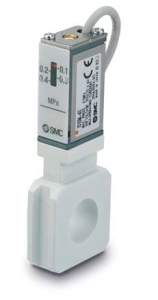
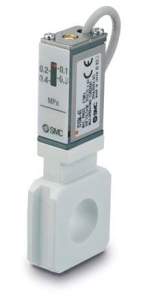
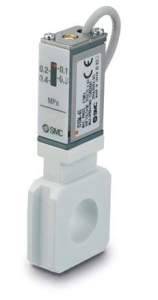
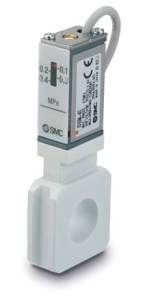
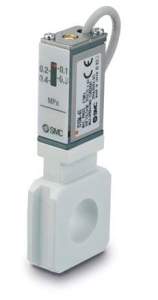
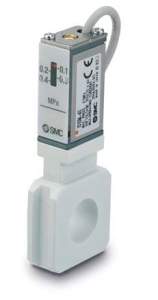
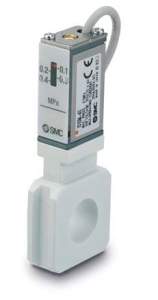
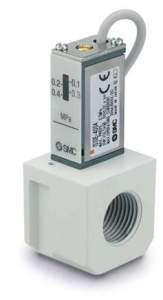
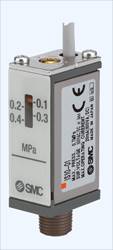
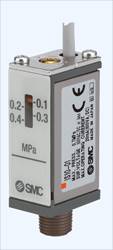
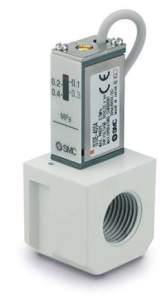
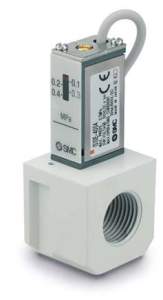
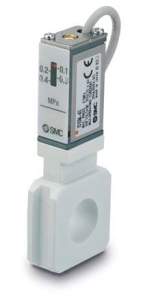
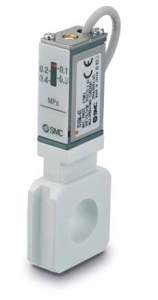
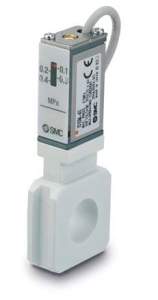
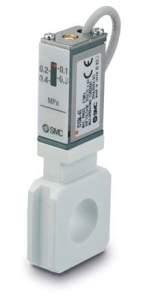
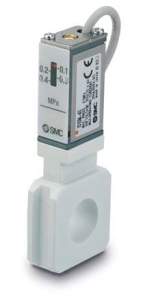
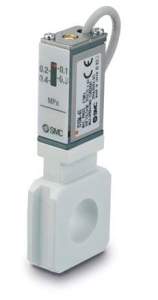
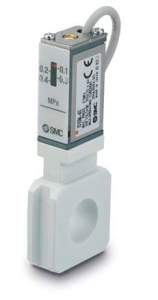
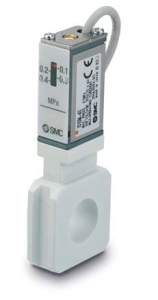
What are SMC mechanical pressure switches and where are they primarily used in industrial applications?
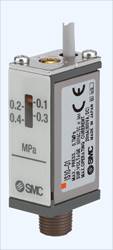
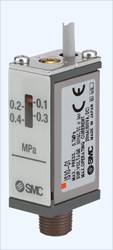
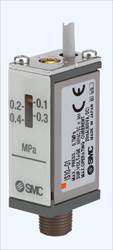
SMC mechanical pressure switches are pneumatic control devices that monitor system pressure and provide switching signals when preset pressure thresholds are reached or exceeded. These robust instruments are extensively used in manufacturing automation, packaging machinery, hydraulic presses, and compressed air systems where reliable pressure monitoring is critical for process control and safety. The IS10 series from SMC represents industry-standard mechanical pressure switches that operate without external power, making them ideal for hazardous environments and applications requiring fail-safe operation. Industries including automotive manufacturing, food processing, pharmaceutical production, and chemical processing rely on these switches for maintaining optimal system pressures between 0.05 and 1.0 MPa in pneumatic circuits.
What are the key technical selection criteria for SMC mechanical pressure switches with specific pressure ranges?
SMC mechanical pressure switch selection requires matching the switching pressure range to application requirements, with models like the IS10M series available in ranges from 20 kPa (IS10M-20 variants) up to 500 kPa (IS10M-50 variants). Port configuration is critical, with options including 6Z threaded ports, 6LP panel mount configurations, and 6L standard connections for different installation requirements. The switching differential typically ranges from 3-15% of the set pressure, ensuring reliable operation without chattering in variable pressure conditions. Media compatibility must match the pneumatic fluid, with standard models handling compressed air and inert gases up to 60°C operating temperature, while specialized versions accommodate hydraulic oils and corrosive media with appropriate seal materials.
Which international standards and certifications apply to SMC mechanical pressure switches?
SMC mechanical pressure switches comply with ISO 14958 for pneumatic switching devices and IEC 60947-5-1 for low-voltage control circuit devices and switching elements. The IS10 series meets IP65 protection class requirements under IEC 60529, ensuring dust-tight and water-resistant operation in industrial environments. For applications in potentially explosive atmospheres, specific models carry ATEX certification according to Directive 2014/34/EU for zones requiring intrinsically safe devices. Quality management follows ISO 9001 standards throughout manufacturing, while environmental compliance includes RoHS directive adherence for restricted substances. These certifications ensure reliable operation across diverse industrial applications from -10°C to +60°C ambient temperature ranges with proof pressure ratings up to 150% of maximum working pressure.
What are the main differences between SMC IS10M-A, IS10E, and IS10 series mechanical pressure switch variants?
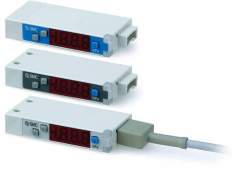
The SMC IS10M-A series features miniature construction with M5 port connections and switching pressures from 20-500 kPa, optimized for compact installations where space constraints are critical. IS10E models are designed for panel mounting applications with front-accessible adjustment and visual pressure indication, incorporating F01, F02, and F03 mounting configurations for different panel thicknesses. The standard IS10 series offers the broadest pressure range flexibility with both positive and negative pressure variants (IS10-N01 for vacuum applications), featuring robust construction for harsh industrial environments. Key differentiators include port sizes ranging from M5 to G1/8, adjustment methods from fixed setpoints to field-adjustable ranges, and electrical connections from flying leads to DIN connector options depending on the specific model configuration.
What are the installation requirements and system compatibility considerations for SMC mechanical pressure switches?
SMC mechanical pressure switches require proper port thread engagement with minimum 6 turns for M5 connections and 4 turns for larger ports using appropriate thread sealant rated for pneumatic pressures up to 1.0 MPa. System compatibility demands matching the switch pressure range to circuit operating pressure with adequate safety margin, typically selecting switches rated 25% above maximum system pressure. Electrical connections must accommodate switching loads up to 5A at 250VAC for resistive loads, with appropriate derating for inductive loads per IEC specifications. Installation orientation affects accuracy by ±2% of full scale, requiring mounting consideration for optimal performance. Vibration isolation may be necessary in applications exceeding 10G acceleration, while ambient temperature limits of -10°C to +60°C must be maintained for reliable mechanical operation and seal integrity.
What safety ratings, IP protection class, and operating conditions do SMC mechanical pressure switches provide?
SMC mechanical pressure switches achieve IP65 protection rating, providing complete dust ingress prevention and protection against water jets from any direction, making them suitable for washdown environments and outdoor installations. Operating temperature range spans -10°C to +60°C ambient with media temperatures up to 80°C for specialized high-temperature variants, while standard models handle compressed air, nitrogen, and inert gases at pressures up to 1.0 MPa maximum working pressure. Proof pressure capability reaches 1.5 MPa without damage, providing safety margin against pressure transients common in pneumatic systems. Electrical safety ratings include 250VAC switching capacity with 5A resistive load handling, complying with IEC 60947-5-1 standards for industrial control applications. The mechanical switching mechanism operates without external power, ensuring fail-safe operation during electrical power loss situations critical for emergency shutdown applications.
What maintenance schedules, service life expectations, and inspection requirements apply to SMC mechanical pressure switches?
SMC mechanical pressure switches require quarterly visual inspection for port leakage, housing cracks, and electrical connection integrity, with annual calibration verification using certified pressure standards traceable to national metrology institutes. Service life typically exceeds 10 million switching cycles under rated conditions, with actual lifespan dependent on operating pressure differential, switching frequency, and environmental conditions including temperature cycling and vibration exposure. Monthly functional testing involves pressure ramp verification to confirm switching accuracy within ±3% of setpoint, while semi-annual inspection includes diaphragm condition assessment and spring tension verification. Replacement intervals range from 3-5 years in continuous duty applications to 7-10 years in standby service, with degradation indicators including switching point drift exceeding ±5%, increased hysteresis, or visible seal deterioration. Preventive maintenance records should document pressure settings, switching accuracy, and any environmental exposure that might accelerate wear patterns.