What are ESD T-shirts and which industries require them for static protection?
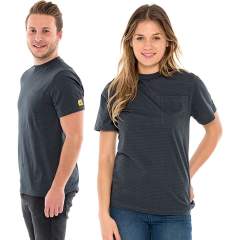
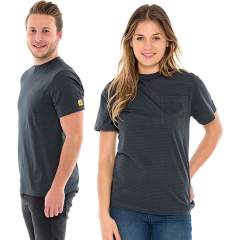
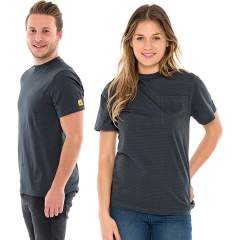
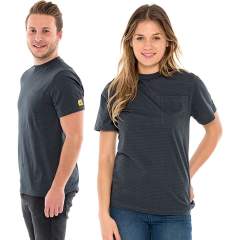
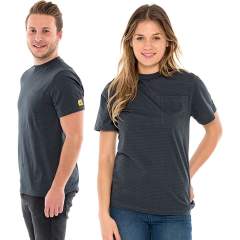
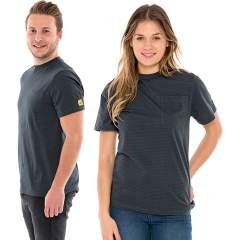
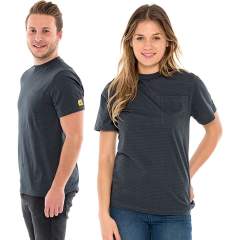
ESD T-shirts are specialised protective garments manufactured with integrated antistatic fibres designed to prevent electrostatic discharge buildup that can damage sensitive electronic components. These garments are essential in semiconductor manufacturing facilities, electronics assembly plants, cleanroom environments, and precision instrument calibration laboratories where voltage potentials as low as 100V can destroy microprocessors or CMOS devices. The HB Schutzbekleidung ESD T-shirts available in sizes from S to 4XL provide continuous static dissipation through conductive yarn integration, making them mandatory personal protective equipment in industries handling integrated circuits, medical devices, aerospace electronics, and automotive ECU production where ESD damage costs exceed millions annually.
What technical specifications should I consider when selecting ESD T-shirts for my facility?
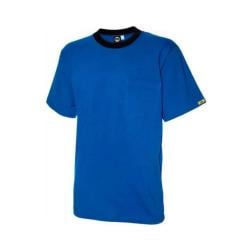
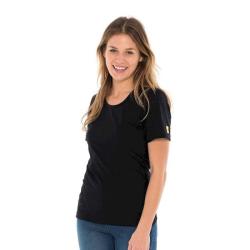
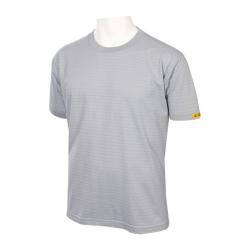
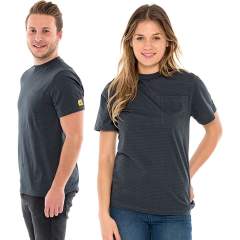
Critical selection criteria for ESD T-shirts include surface resistivity measurements typically ranging from 10^5 to 10^11 ohms per square, fabric composition with conductive carbon or metal fibers, and charge decay time specifications under 2 seconds per IEC 61340 standards. The HB Schutzbekleidung models available in silbergrau, royal blue, navy, and black colorways demonstrate proper antistatic fiber integration throughout the garment construction rather than just surface treatments. Size availability from S through 4XL ensures proper fit which is essential for maintaining continuous electrical path to ground, while short-sleeve design prevents static accumulation in sleeve areas during repetitive arm movements common in assembly operations.
Which international standards govern ESD T-shirt performance and certification requirements?
ESD protective clothing must comply with IEC 61340-5-1 standard which defines requirements for electrostatic discharge control programs and specifies garment resistivity limits between 7.5 × 10^4 and 1.0 × 10^11 ohms. Additional compliance includes EN 1149-5 for electrostatic properties of protective clothing and ANSI/ESD S20.20 for ESD control program development in manufacturing environments. These standards mandate regular testing of garment electrical properties, proper grounding procedures, and documentation of ESD control measures, with many facilities requiring dual certification to both European EN standards and North American ANSI specifications for international supply chain compliance.
How do the different HB Schutzbekleidung ESD T-shirt variants compare in terms of protection levels?
The HB Schutzbekleidung 08010 86002 series maintains identical antistatic protection across all color variants including silbergrau, royal, navy, and black options, with each incorporating the same conductive fiber density and surface resistivity characteristics. Size variations from S through 4XL utilize consistent fabric construction and fiber integration ratios to ensure uniform electrical properties regardless of garment dimensions. The primary differences lie in workplace visibility requirements where silbergrau provides neutral appearance for cleanroom environments while navy and black options offer better stain concealment in manufacturing settings, though all variants deliver equivalent static dissipation performance meeting IEC 61340 specifications.
What installation and grounding requirements are necessary for ESD T-shirt effectiveness?
ESD T-shirts require direct skin contact or conductive underlayers to establish proper electrical pathway from the wearer to facility grounding systems through wrist straps or heel grounders maintaining resistance below 35 megohms. The garments must integrate with comprehensive ESD control programs including conductive flooring systems, ionisation equipment, and grounded work surfaces to create complete static dissipation networks. Proper sizing ensures continuous fabric contact with skin while avoiding loose fits that create air gaps breaking the conductive path, with the HB Schutzbekleidung models designed for compatibility with standard ESD wrist strap connections and facility grounding infrastructure meeting ANSI/ESD S6.1 specifications.
What are the environmental operating limits and safety ratings for ESD protective T-shirts?
ESD T-shirts typically operate effectively in temperature ranges from -10°C to +40°C while maintaining antistatic properties, with humidity requirements between 30-70% RH for optimal static dissipation performance per IEC 61340-4-1 testing standards. The conductive fibers retain electrical properties across industrial wash cycles up to 60°C and demonstrate resistance to common industrial chemicals including isopropyl alcohol and mild detergents used in cleanroom environments. Safety classifications include flame-resistant variants meeting NFPA 2112 standards where required, though standard ESD garments prioritise static control over flame protection, with electrical safety ratings maintaining surface resistivity within specified limits even after 50 industrial laundry cycles.
How often should ESD T-shirts be tested and what maintenance procedures ensure continued protection?
ESD T-shirts require electrical property verification every 6 months using surface resistivity meters per ANSI/ESD STM2.1 test methods, with measurements taken at multiple points across the garment to ensure uniform conductivity below 1×10^11 ohms per square. Proper maintenance includes washing with ESD-safe detergents avoiding fabric softeners that coat conductive fibers, air drying to prevent heat damage to antistatic properties, and visual inspection for wear patterns that might compromise electrical pathways. Service life typically spans 12-18 months under normal industrial use conditions, with replacement indicators including resistivity measurements exceeding specification limits, visible fiber degradation, or garment damage affecting electrical continuity between conductive yarns and facility grounding systems.