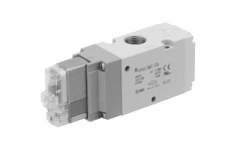
What are Aventics pneumatic valves and what industrial applications do they serve?
Aventics pneumatic valves are precision control devices that regulate compressed air flow, pressure, and direction in industrial automation systems. The ED07 series electro-pneumatic pressure regulators enable precise pressure control from 0.2 to 10 bar with digital signal input, making them essential for manufacturing automation, packaging machinery, automotive assembly lines, and process control applications. These valves serve industries requiring reliable pneumatic actuation including food processing, pharmaceutical manufacturing, automotive production, and general factory automation where consistent pressure regulation ensures optimal machine performance and product quality.
What are the key technical selection criteria for Aventics pneumatic valves?
Selection of Aventics pneumatic valves depends on operating pressure range, electrical connection type, and mounting configuration requirements. The ED07 series operates with supply pressures from 1.4 to 10 bar absolute, featuring M12 connector variants including 2M12S, 2M12B, 2M12C, and 2M12X configurations for different electrical interface needs. Critical selection parameters include maximum flow rate capacity, response time specifications typically under 100ms, temperature coefficient stability, and compatibility with ISO 8573-1 Class 7.4.4 compressed air quality standards. Proper sizing requires matching valve Cv coefficient to system flow requirements while considering pressure drop across downstream components.
Which international standards and certifications apply to Aventics pneumatic valves?
Aventics pneumatic valves comply with ISO 8573-1 compressed air quality standards for contamination levels and ISO 5599-1 interface dimensions for valve mounting compatibility. The ED07 series electro-pneumatic regulators meet IEC 61131-2 industrial automation standards for electrical safety and EMC requirements according to EN 61000-6-2 immunity and EN 61000-6-4 emissions standards. Additional certifications include CE marking for European machinery directive compliance, UL recognition for North American applications, and RoHS compliance for environmental regulations. These valves also conform to ISO 4414 pneumatic system safety requirements and maintain IP65 protection ratings against dust and water ingress.
What are the main differences between Aventics ED07 valve variants?
The primary differences between Aventics ED07 valve variants lie in pressure range capabilities and electrical connector configurations. Models with 160 in the part number operate in the 0.2-1.6 MPa range, while 200-series variants handle 0.2-2.0 MPa working pressures for higher pressure applications. Connector variations include 1M12A single M12 connections for basic control, 2M12S dual M12 connectors with different pin configurations, and specialized 2M12B, 2M12C, and 2M12X variants that provide distinct electrical interface options for integration with different fieldbus systems and control architectures. The numerical coding after the dash indicates specific pressure ranges and response characteristics optimized for different industrial automation requirements.
What are the installation requirements and system compatibility for Aventics pneumatic valves?
Aventics pneumatic valves require clean, dry compressed air meeting ISO 8573-1 Class 7.4.4 specifications with particle filtration to 5 microns and pressure dew point at least 15°C below ambient temperature. Installation demands proper mounting orientation according to flow direction arrows, secure electrical connections via M12 connectors with appropriate cable ratings, and adequate clearance for maintenance access. The ED07 series integrates with major fieldbus systems including PROFIBUS, DeviceNet, and Ethernet/IP through compatible interface modules, requiring 24V DC power supply with ripple content below 10%. Proper system design includes pressure relief valving, emergency stop integration, and consideration of downstream actuator characteristics to prevent pressure shock during rapid switching operations.
What safety ratings and operating conditions do Aventics pneumatic valves support?
Aventics pneumatic valves maintain IP65 protection rating against dust ingress and water jets, enabling reliable operation in harsh industrial environments. The ED07 series operates within ambient temperatures from -10°C to +60°C with storage capability down to -40°C, while maintaining pressure regulation accuracy within ±1% of full scale across the entire temperature range. Maximum working pressure reaches 10 bar absolute with proof pressure testing to 15 bar, ensuring safety margins for demanding applications. These valves incorporate fail-safe design principles with spring-return mechanisms that default to predetermined safe positions during power loss, meeting SIL 2 safety integrity levels when properly integrated with certified safety systems according to IEC 61508 functional safety standards.
What maintenance schedule and service life can be expected from Aventics pneumatic valves?
Aventics pneumatic valves typically achieve 10 million switching cycles under normal operating conditions with compressed air quality meeting ISO 8573-1 Class 7.4.4 specifications. Preventive maintenance intervals depend on operating environment but generally require inspection every 12 months including pressure regulation accuracy verification, electrical connection integrity checks, and visual examination for external damage or contamination. The ED07 series features replaceable seal kits and internal components, extending service life beyond 5 years in standard industrial applications when proper maintenance protocols are followed. Critical maintenance tasks include periodic calibration verification using precision pressure measurement equipment, replacement of internal seals every 24-36 months in high-duty cycle applications, and documentation of performance parameters to trend degradation before functional failures occur.