
Aqueous or solvent degreasing - which one is better?
Whether you degrease with water-based or solvent-based cleaners depends on the type of oil, the base material and the safety rules on site. This guide compares both methods by soil type, material compatibility and explosion protection to help you pick the right degreaser.
To the guidesAqueous or solvent - what is the difference?
Aqueous degreasers work chemically: alkaline builders saponify fats, while surfactants surround oil droplets and lift them off. Solvent-based degreasers work physically, dissolving oils and greases into the solvent phase. Both routes deliver clean metal parts, but they behave very differently in terms of soil, material and safety.
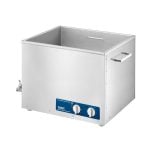
Aqueous systems usually run at 50‑70 °C in immersion, spray or ultrasonic baths and need a drying step afterwards. Solvent methods often clean cold and dry residue-free, but they place demands on fire and health protection.
Which method suits which type of soil?
The type of soil decides first. For heavy oil and grease films, waxes and drawing compounds the solvent plays to its strength, while aqueous cleaners excel with adhering salts, grinding and polishing residues, and emulsion remnants.
The base material narrows the choice further. Strongly alkaline baths attack aluminium, zinc and non-ferrous metals and can cause etching or discolouration; here neutral to mildly alkaline cleaners or solvents are the safe option.
- Steel and stainless steel: alkaline aqueous (pH 9‑12) is usually harmless.
- Aluminium and zinc: neutral aqueous cleaners or solvents, never highly alkaline baths.
- Non-ferrous metals (brass, copper): watch for discolouration and use inhibitors.
- Sensitive electronics and optics: prefer residue-free solvents.
What matters for explosion protection and compatibility?
Solvents with a low flash point form ignitable vapour-air mixtures. As soon as the flash point sits near the working temperature, explosion protection rules and a risk assessment apply. Aqueous systems have a clear advantage here because they are not flammable.
- Check flash point against working temperature and define explosion zones.
- Read the safety data sheet and hazard statements before use.
- Provide suitable extraction, earthed containers and personal protective equipment.
- Monitor aqueous baths: measure pH, oil load and concentration regularly.
Frequently asked questions
When is an aqueous degreaser the better choice?
Aqueous cleaners suit polar soils such as salts, perspiration and grinding pastes, and where fire safety or indoor air is critical. They do, however, require heating, drying and waste-water treatment.
Why are highly alkaline baths risky for aluminium?
Above roughly pH 11 aluminium is chemically attacked, leading to etching, hydrogen formation and discolouration. For aluminium and zinc use neutral to mildly alkaline cleaners or solvents.
At what flash point does a solvent become explosion-relevant?
It becomes critical when the flash point is near or below the working temperature. Solvents with a flash point above 55 °C lower the risk, yet a documented risk assessment remains mandatory.
Can I combine both methods?
Yes, in practice parts are often pre-degreased with solvent and then fine-cleaned aqueously, or the other way round. This combines high oil uptake with residue-free final cleanliness.
Looking for the right degreaser?
Our guide covers aqueous and solvent-based degreasers for metal parts - matched to soil, base material and explosion protection.
Safety-led selection
Choice guided by explosion protection and risk assessment.
Material-friendly
Cleaners matched to steel, aluminium and non-ferrous metal.
Effective degreasing
Method tuned to oil type and soil load.
Selection help
We help you choose the right products; technical details are clarified with the manufacturer.