What are industrial storage solutions and where are they primarily used in manufacturing operations?
Industrial storage solutions encompass specialized containment systems designed for organized material handling in manufacturing environments, including ESD-protected storage, systematic transport carts, and protective packaging materials. These solutions serve critical functions in electronics manufacturing, automotive assembly, pharmaceutical production, and precision engineering facilities where component integrity and contamination control are paramount. The systems typically integrate with existing production workflows through standardized dimensions like pallet formats and Eurocontainer compatibility, ensuring seamless material flow from receiving through production to shipping operations.
What technical specifications should I consider when selecting industrial storage systems for my facility?
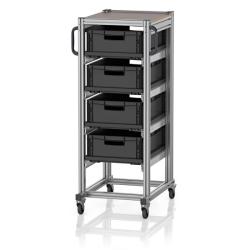
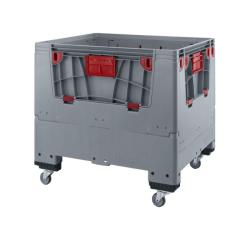
Storage system selection requires evaluation of load capacity, dimensional compatibility, and material construction based on operational demands. System carts like the EG SW 134 series offer pallet-format dimensions of 130x126.2x134.6 cm with varying load capacities, while Eurocontainer-compatible units such as the EG SWN 200 series accommodate 80x60 cm containers at 200 cm height with tiltable functionality. Critical selection factors include surface resistivity for ESD applications, typically requiring values between 10^6 to 10^9 ohms per square, structural materials meeting industrial durability standards, and mobility features such as swivel casters rated for facility floor conditions and load requirements.
Which international standards and certifications apply to industrial storage solutions?
Industrial storage solutions must comply with multiple international standards depending on application and environment. ESD protection systems require adherence to IEC 61340-5-1 for electrostatic discharge control in electronics handling, while general industrial storage follows EN 12195 for load securing and DIN EN ISO 3691 for powered industrial truck compatibility. For cleanroom applications, ISO 14644 cleanliness classifications apply, and ATEX 2014/34/EU certification becomes mandatory for explosive atmosphere environments. Material certifications under RoHS 2011/65/EU ensure compliance with hazardous substance restrictions in electronics manufacturing facilities.
What are the main differences between system carts, tiltable containers, and static storage variants?
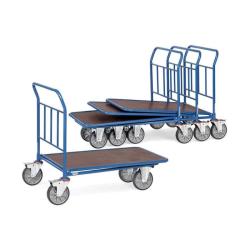
System carts in pallet format like the EG SW 134 series provide mobile storage with standardized 130 cm width dimensions and varying depths of 106.2 cm or 126.2 cm, designed for horizontal transport and stationary positioning. Tiltable container systems such as the EG SWN 200 series feature 201.1 cm height with integrated tilting mechanisms for ergonomic access to Eurocontainer contents, optimizing picking operations and reducing operator strain. Static storage options including ESD polyester films like the Warmbier 5235.DPF series offer 1220 mm width protective barriers in 100-meter rolls, with self-adhesive variants providing permanent installation capability for workstation protection and contamination control.
What installation requirements and system compatibility factors must be considered for industrial storage systems?
Installation requirements center on floor loading capacity, aisle width clearances, and electrical grounding for ESD-protected systems. System carts require minimum aisle widths of 2.5 meters for safe maneuvering with 130 cm cart widths plus operator clearance, while floor loading must support distributed weights up to 1000 kg for fully loaded pallet-format units. ESD systems demand continuous grounding connections with resistance paths below 10^9 ohms to facility ground, achieved through conductive casters or dedicated grounding straps. Eurocontainer compatibility ensures integration with existing automated handling equipment following EN 13199 dimensional standards for seamless workflow integration.
What safety ratings and environmental operating ranges apply to industrial storage equipment?
Industrial storage systems typically operate within temperature ranges of -10°C to +60°C for standard applications, with specialized variants extending to -40°C for cold storage environments. IP protection ratings vary from IP20 for indoor applications to IP54 for humid industrial environments, ensuring adequate protection against dust ingress and moisture exposure. Load safety factors follow EN 1757-3 guidelines with minimum 4:1 ratios for dynamic loading conditions, while ESD protective materials maintain surface resistivity between 10^6 to 10^11 ohms per square across the operational temperature range. Structural components meet DIN EN 10025 steel specifications for industrial durability and corrosion resistance in manufacturing environments.
What maintenance schedules and inspection requirements apply to industrial storage systems?
Maintenance schedules require quarterly inspections of mobile components including caster functionality, wheel bearing lubrication, and structural integrity assessment following DGUV Regel 108-007 guidelines. ESD protective materials demand monthly surface resistivity verification using calibrated megohmmeters to ensure values remain within 10^6 to 10^11 ohm specifications, with immediate replacement required if readings exceed tolerance limits. System carts require annual load testing at 125% rated capacity to verify structural integrity, while welded components need visual inspection for crack propagation every six months. Service life expectancy ranges from 10-15 years for steel framework components and 3-5 years for ESD protective films under normal industrial operating conditions with proper maintenance protocols.
How do I select appropriate ESD protective films and containers for electronics manufacturing applications?
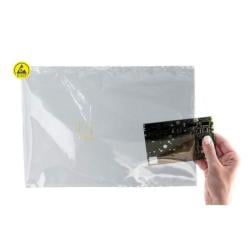
ESD protective film selection requires matching surface resistivity specifications to component sensitivity levels, with standard films like Warmbier 5235.DPF maintaining 10^8 to 10^11 ohms per square resistance values across 1220 mm widths. Self-adhesive variants such as the DPF-SK-100 provide permanent installation capability for workstation surfaces while maintaining consistent electrical properties through acrylic adhesive systems. Container selection must consider both electrostatic properties and mechanical protection, with conductive materials preferred for Class 0 ESD sensitive devices and dissipative options suitable for Class 1 components. Film thickness typically ranges from 0.1 to 0.5 mm depending on mechanical protection requirements, with thicker variants providing enhanced puncture resistance for sharp-edged components.
Storage Solutions
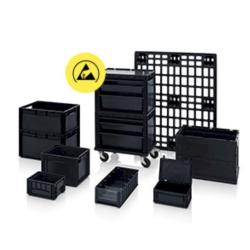
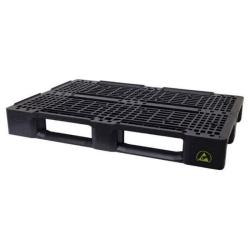
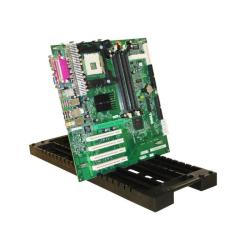
ESD-compliant storage solutions must maintain a surface resistance between 10⁵ and 10⁷ Ω to prevent electrostatic discharge events that can permanently damage ESDS components - even a single discharge below 100 V can cause latent failures invisible to standard inspection (IEC 61340-5-1). From PCB frames and ESD pallets rated for loads up to 600 kg, to conductive system trolleys with push forces below 25 N, every product in this range is selected to meet EPA (Electrostatic Protected Area) requirements for transport, interim storage, and logistics within production environments.
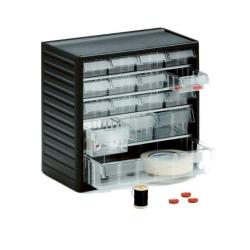
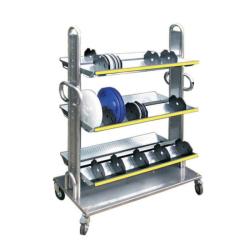
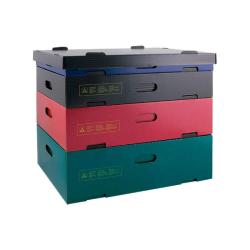
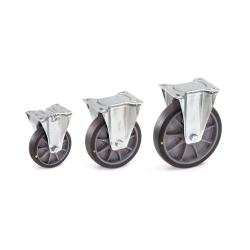
As a specialist distributor for ESD-certified storage and transport equipment, esd.equipment carries over 6,078 articles from leading manufacturers including Fetra, AUER Packaging, HANS KOLB, and Treston - all verified against DIN EN 61340-5-1 and IEC 61340-5-2. Whether you need ESD corrugated board containers, conductive small-parts bins, SMD coil stands, or certified castors and wheels for existing trolleys, this category covers the full chain from component-level packaging to facility-level transport.
This website uses cookies to improve your experience. By clicking “Accept”, you consent to the use of ALL the cookies. However you may visit Cookie Settings to provide a controlled consent.