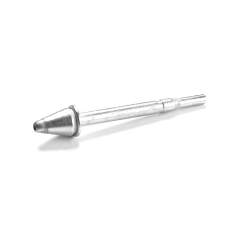
What are Ersa Serie 722 and 742 desoldering tips and what industrial applications do they serve?
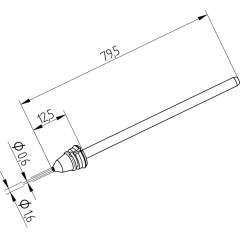
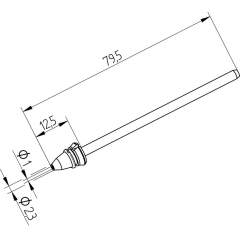
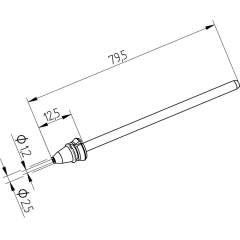
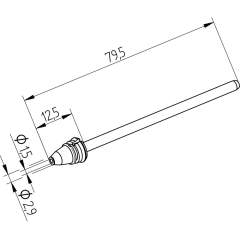
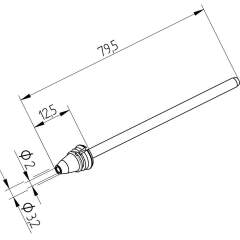
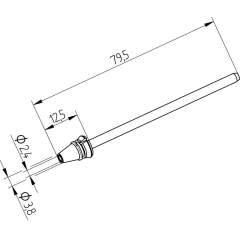
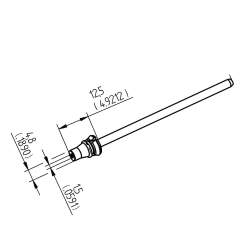
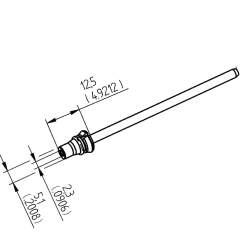
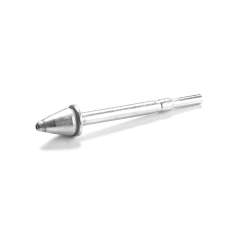
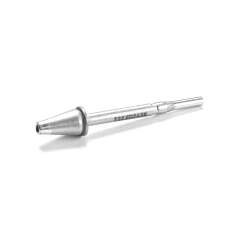
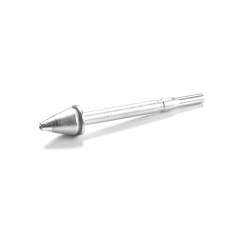
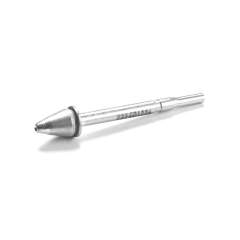
Ersa Serie 722 and 742 desoldering tips are precision-engineered components designed exclusively for X-Tool desoldering stations, serving electronics manufacturing, PCB rework, and component recovery operations. These specialized tips feature hollow construction with inner diameters ranging from 0.6mm to 2.4mm and outer diameters from 1.6mm to 5.1mm, enabling precise solder removal from through-hole components, surface-mount devices, and multi-pin connectors. Electronics manufacturers, repair facilities, and R&D laboratories rely on these tips for critical applications including automotive ECU rework, medical device assembly, aerospace electronics repair, and prototype development where component preservation is essential.
What are the key technical selection criteria for choosing between different Ersa desoldering tip variants?
Selection of Ersa desoldering tips depends primarily on component lead diameter, solder joint size, and thermal requirements of the target application. The Serie 742 high-tinned variants like 0742ED0616H with 0.6mm inner diameter suit fine-pitch components and small resistors, while larger variants such as 0742ED2438 with 2.4mm inner diameter handle power transistors and connector pins. DUR-coated Serie 722 tips like 0722ED1023 provide extended service life for high-volume production environments, whereas nickel-plated variants such as 0722EN1018S offer superior corrosion resistance for lead-free solder applications. The outer diameter determines heat transfer capacity and mechanical stability during desoldering operations.
Which international standards and certifications apply to Ersa desoldering tips for professional electronics assembly?
Ersa desoldering tips comply with IPC-A-610 workmanship standards for electronic assemblies and meet IEC 61340-5-1 requirements for ESD-safe handling during electronics manufacturing processes. The high-tinned coating formulations adhere to RoHS directive 2011/65/EU for lead-free compatibility, while thermal performance characteristics satisfy IPC-7711/7721 guidelines for rework and repair procedures. Manufacturing quality systems follow ISO 9001:2015 standards, ensuring consistent dimensional tolerances and surface finish quality critical for reliable solder joint formation and component protection during desoldering operations in certified electronics production environments.
What are the main differences between Serie 722 DUR and Serie 742 high-tinned desoldering tip variants?
Serie 722 DUR desoldering tips feature a specialized durable coating designed for extended service life in high-volume production environments, while Serie 742 variants utilize high-tinned surfaces optimized for superior heat transfer and solder wetting characteristics. The DUR coating on Serie 722 tips like 0722ED1023 provides enhanced wear resistance and maintains dimensional stability through thousands of thermal cycles, making them ideal for automated desoldering stations. Serie 742 high-tinned tips such as 0742ED1225H offer improved thermal conductivity and faster heat recovery, resulting in reduced dwell times and minimized thermal stress on sensitive components during manual rework operations.
What installation requirements and system compatibility considerations apply to X-Tool desoldering tips?
Ersa Serie 722 and 742 desoldering tips require exclusive compatibility with X-Tool and X-Tool Vario desoldering stations, utilizing proprietary bayonet-style mounting systems that ensure secure mechanical connection and optimal thermal coupling. Installation procedures mandate complete cooling of the heating element below 50°C before tip replacement to prevent thermal damage and ensure operator safety. The tips feature standardized thread specifications and precise dimensional tolerances that guarantee proper alignment with the vacuum extraction system, while integrated temperature sensor compatibility enables closed-loop thermal control for consistent desoldering performance across different component types and solder alloy compositions.
What safety ratings and operating temperature specifications apply to Ersa X-Tool desoldering tips?
Ersa X-Tool desoldering tips operate safely within temperature ranges from 150°C to 450°C with rapid thermal response characteristics suitable for both leaded and lead-free solder applications. The tips maintain structural integrity and coating adhesion throughout continuous thermal cycling between ambient and maximum operating temperatures, while meeting workplace safety requirements for fume extraction and ESD protection in accordance with EN 61340-5-1 standards. Vacuum extraction capabilities handle pressures up to 0.8 bar absolute, ensuring effective solder removal while preventing component damage through controlled thermal profiles and integrated temperature monitoring systems that prevent overheating during extended operation periods.
What maintenance schedule and service life expectations apply to professional desoldering tip applications?
Professional desoldering tips require daily cleaning with approved flux removers and weekly inspection of coating integrity to maintain optimal thermal transfer and prevent solder contamination buildup. Service life typically ranges from 500 to 2000 thermal cycles depending on operating temperature, solder alloy composition, and flux chemistry, with DUR-coated Serie 722 variants demonstrating extended durability in high-volume production environments. Replacement indicators include visible coating wear, reduced heat transfer efficiency, and dimensional changes affecting vacuum seal integrity, while proper storage in protective cases and controlled humidity environments extends operational lifespan and maintains precision tolerances critical for consistent desoldering performance.