What are Hakko T31 series soldering tips and what industrial applications do they serve?
Hakko T31 series are composite soldering tips specifically engineered for the FX 1001 soldering iron system, designed for precision electronics manufacturing and repair operations. These professional-grade tips serve electronics assembly facilities, PCB manufacturing lines, and technical service departments requiring consistent thermal performance and extended operational life. The T31 series features temperature-specific variants ranging from 350°C to 450°C, enabling precise thermal control for different solder alloys and component sensitivities. Industries utilizing these tips include aerospace electronics, medical device manufacturing, automotive ECU production, and industrial control system assembly where soldering precision directly impacts product reliability.
What are the key technical selection criteria for choosing Hakko T31 soldering tips?
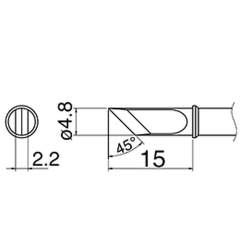
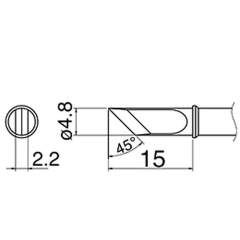
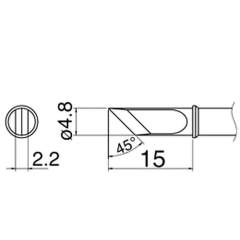
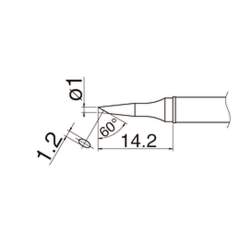
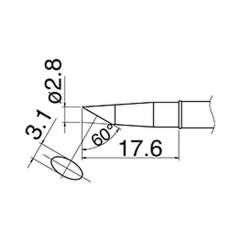
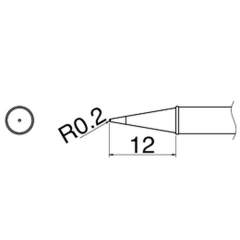
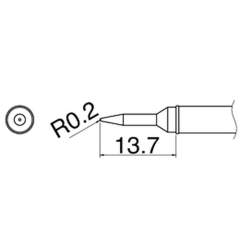
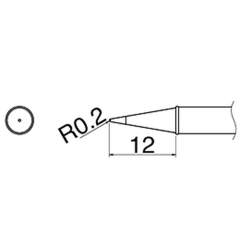
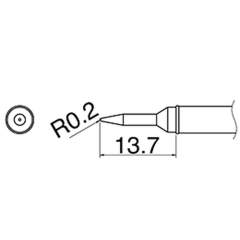
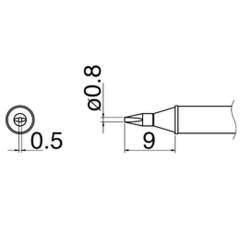
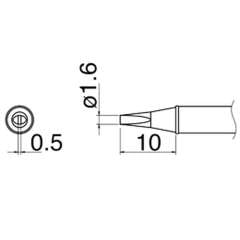
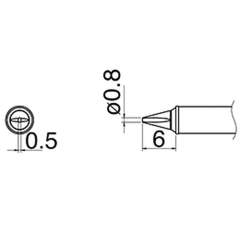
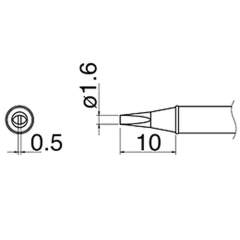
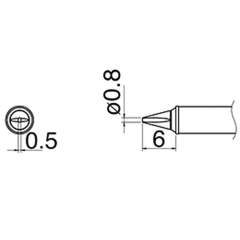
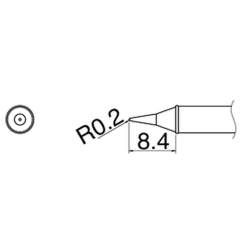
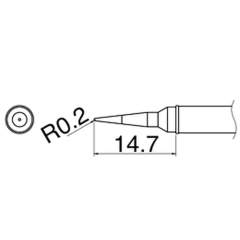
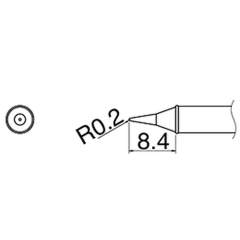
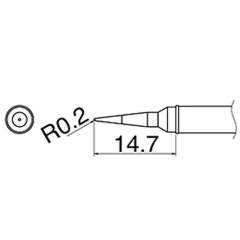
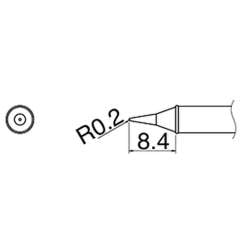
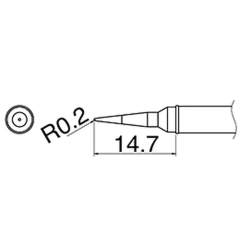
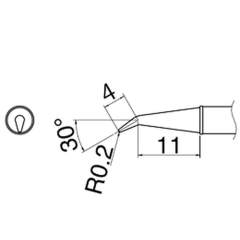
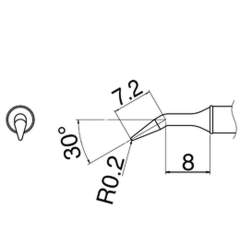
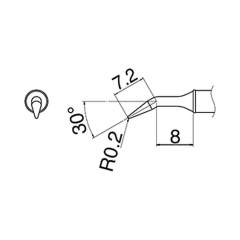
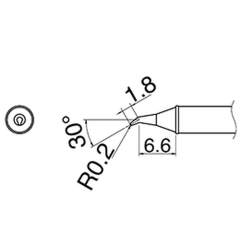
Selection of Hakko T31 soldering tips requires matching the operating temperature rating to your specific solder alloy and thermal requirements, with available options at 350°C, 400°C, and 450°C maximum temperatures. Tip geometry selection depends on joint accessibility and thermal mass requirements, with formats including KU for general purpose work, BC variants for precise component work, D-series for fine-pitch applications, and specialized shapes like BL, SBL, WD, and I configurations. The composite construction provides superior thermal conductivity compared to standard copper tips while maintaining dimensional stability under repeated thermal cycling. Critical selection factors include component lead spacing, solder joint size, required thermal transfer rate, and compatibility with your existing FX 1001 soldering station setup.
Which international standards apply to Hakko T31 series soldering tips for professional electronics work?
Hakko T31 series soldering tips comply with IPC-J-STD-001 requirements for electronic soldering applications, ensuring consistent joint quality and reliability in professional electronics assembly. The tips meet IEC 61340-5-1 ESD control standards when used with properly grounded soldering stations, preventing electrostatic damage to sensitive semiconductor components during assembly operations. Temperature accuracy and thermal performance align with IPC-7711/7721 rework and repair guidelines, supporting compliance with aerospace and medical device quality standards. Manufacturing quality follows ISO 9001 processes, while the composite tip construction meets RoHS compliance requirements for lead-free soldering applications in European and international markets.
What are the differences between Hakko T31 tip variants and their specific applications?
Hakko T31 variants differ primarily in maximum operating temperature and tip geometry, with T31-01 series rated for 450°C high-temperature applications, T31-02 series optimized for 400°C standard operations, and T31-03 series designed for 350°C precision work on temperature-sensitive components. Geometry variants include KU format for general-purpose soldering, BC series for precise component access with different contact areas, D-series tips providing fine-point precision for small-pitch components, and specialized shapes like BL for broad heating, SBL for extended reach, WD for wide thermal distribution, and I-format for specific joint configurations. The composite construction across all variants ensures consistent thermal performance while the temperature-specific ratings prevent overheating of sensitive electronic components during assembly and rework operations.
What are the installation requirements and system compatibility for Hakko T31 soldering tips?
Hakko T31 soldering tips are exclusively compatible with the Hakko FX 1001 soldering iron system and require proper thermal coupling to achieve specified temperature ratings of 350°C, 400°C, or 450°C depending on the specific tip variant. Installation involves inserting the tip into the heated iron barrel until fully seated, allowing 2-3 minutes for thermal stabilization before use, and ensuring the tip temperature matches your solder alloy requirements. The composite tip construction requires initial tinning with rosin-core solder to establish proper heat transfer characteristics and prevent oxidation during operation. System compatibility extends to Hakko temperature controllers that support the FX 1001 platform, with proper grounding connections required for ESD-sensitive component work and compliance with IEC 61340 standards.
What are the operating temperature ranges and safety specifications for Hakko T31 soldering tips?
Hakko T31 soldering tips operate within precisely controlled temperature ranges with T31-01 series rated for maximum 450°C operation, T31-02 series designed for 400°C maximum temperature, and T31-03 series optimized for 350°C precision applications. The composite tip construction maintains thermal stability across these temperature ranges while providing consistent heat transfer characteristics throughout the operating envelope. Safety considerations include proper ESD grounding to prevent component damage, use of appropriate flux ventilation systems during operation, and adherence to temperature limits to prevent tip degradation or workpiece damage. The tips require integration with properly calibrated temperature controllers meeting IEC standards for thermal accuracy, with recommended ambient operating conditions between 15°C and 35°C for optimal performance and operator safety.
What maintenance schedule and service life should be expected from Hakko T31 soldering tips?
Hakko T31 soldering tips require daily cleaning with damp sponge wiping during operation and fresh solder tinning every 2-3 hours of continuous use to maintain optimal heat transfer and prevent oxidation buildup on the composite surface. Expected service life ranges from 200-500 hours of operation depending on temperature settings, solder types used, and maintenance consistency, with higher temperature variants typically requiring replacement sooner than lower temperature versions. Inspection criteria include tip geometry wear exceeding 0.5mm from original dimensions, surface pitting or oxidation that prevents proper tinning, and thermal response degradation indicated by longer heat-up times or temperature instability. Proper storage in clean, dry conditions with light protective tinning extends tip life, while aggressive flux residues or contamination can significantly reduce operational lifespan below 100 hours if not properly maintained.