
Switching or Linear Power Supply - Which is Better?
Switching or linear power supply - the choice comes down to residual ripple, noise, efficiency and size. This guide compares both concepts with concrete figures and shows which supply is the better pick for each application.
To the guidesHow do switching and linear supplies work?
A linear power supply steps the mains voltage down with a 50 Hz transformer, rectifies it and regulates the output through a series pass element that dissipates the surplus power as heat. A switching supply (SMPS) rectifies first and chops the voltage at 20 to 100 kHz, so a small high-frequency transformer is enough.
The design dictates the key differences: the linear supply is heavy and inefficient but delivers an extremely clean voltage. The switching supply is light, compact and highly efficient, yet by principle generates high-frequency noise.
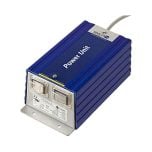
Ripple, noise, efficiency and size
The four criteria ripple, noise, efficiency and size decide the choice. The linear supply wins on signal purity, the switching supply on efficiency and compactness.
- Ripple: linear supplies stay below 1 mV, ideal for sensitive analog and measurement work.
- Noise: switching supplies emit interference at the switching frequency and its harmonics and need EMC filters.
- Efficiency: the SMPS converts 80 to 95 %, while the linear supply wastes 40 to 70 % as heat.
- Size: at 200 W a linear supply weighs several kilograms, an SMPS only a few hundred grams.
Which supply for which application?
The application decides. For low-noise audio, RF and measurement work the linear supply is first choice, for digital, drive and power electronics the switching supply.
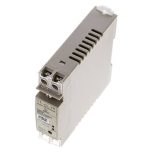
Frequently asked questions
Which is better: switching or linear power supply?
There is no universally better concept. The switching supply wins on efficiency and compactness, the linear supply on very low ripple and noise. The application decides.
Why do switching supplies have more ripple?
They chop the voltage at 20 to 100 kHz. This creates switching spikes and a high-frequency ripple of typically 10 to 100 mV that filters only partly smooth out.
When is a linear supply worth it despite poor efficiency?
Whenever signal purity matters: in precision measurement, sensors, audio front-ends and RF circuits. There the clean output outweighs the loss.
Can both principles be combined?
Yes. Hybrid bench supplies use a switching stage for pre-conversion and a linear regulator for fine control. This achieves high efficiency at low residual ripple.
Want to learn more about finding the right supply?
Learn more about switching supplies and low-noise linear units for workshop, lab and production in our guide.
Both concepts
Switching and linear supplies from one source.
Verified figures
Ripple and efficiency stated in the datasheet.
EMC compliant
Switching supplies with built-in noise filters.
Selection help
We help you choose the right products; technical details are clarified with the manufacturer.