What are Proxxon Micromot precision machines and what industrial applications do they serve?
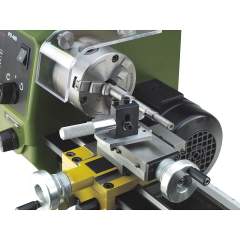
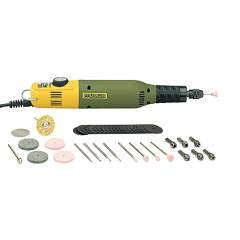
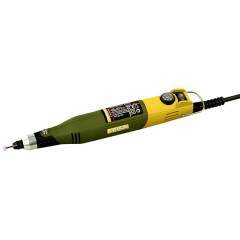
Proxxon Micromot precision machines are compact CNC and manual lathes, milling machines, and drilling equipment designed for high-precision machining in prototyping, model making, and small-batch production environments. The product line includes CNC lathes like the PD 400 CNC, precision lathes such as the PD 250/E, and drilling/milling units like the PF 230 for machining wood, metal, plastic, and glass materials. These machines serve toolmaking shops, research laboratories, educational institutions, and precision engineering facilities requiring accurate machining capabilities in confined workshop spaces. Applications span from creating precision components for aerospace and medical device prototypes to producing custom parts for automotive testing and electronic housing fabrication.
What technical specifications should I consider when selecting Proxxon Micromot machining equipment?
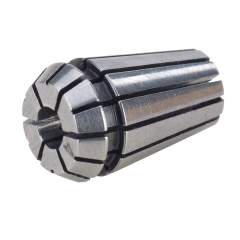
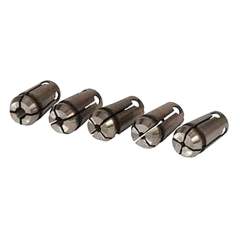
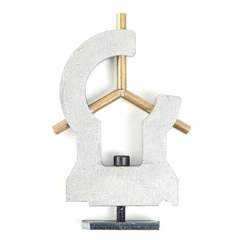
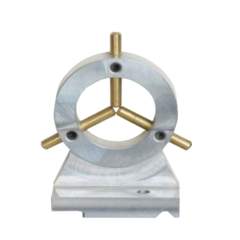
Critical selection criteria for Proxxon Micromot machines include spindle speed ranges, chuck capacity, and bed length specifications that determine machining capability and workpiece size limits. The PD 400 series offers center heights up to 65mm with variable spindle speeds, while the PD 250/E provides different capacity specifications for smaller workpieces. Motor power ratings, typically ranging from 100W to 400W, determine material removal rates and cutting force capabilities for different material hardnesses. Cross-slide travel distances, threading capabilities, and available tooling systems like the 10-piece collet set for PD 400 models directly impact machining versatility and precision levels achievable in production environments.
Which safety standards and certifications apply to Proxxon Micromot precision machining equipment?
Proxxon Micromot machines comply with EN 61029 safety standards for portable electric tools and EN 60204-1 for electrical equipment safety in machine tools, ensuring operator protection during precision machining operations. The equipment meets CE marking requirements under the Machinery Directive 2006/42/EC, indicating conformity with European safety standards for commercial workshop environments. German TÜV certification validates compliance with national safety regulations, while ISO 9001 manufacturing standards ensure consistent quality control in production processes. Additional compliance with EMC Directive 2014/30/EU ensures electromagnetic compatibility in industrial environments where sensitive electronic equipment operates alongside precision machining systems.
What are the main differences between Proxxon PD 400 CNC and manual PD 400 lathe models?
The Proxxon PD 400 CNC model 24500 features computer numerical control with programmable axis movement and automated cutting sequences, while the manual PD 400 model 24400 requires operator control of all machining operations through handwheels and levers. CNC capability enables complex geometric shapes, threading operations, and repetitive part production with consistent dimensional accuracy, whereas manual operation provides direct tactile feedback for one-off prototyping and educational applications. The CNC version includes dedicated threading attachment capabilities model 24506, automated feed systems, and compatibility with CAD/CAM programming software, while manual models rely on mechanical feed systems and operator skill for precision control. Both models share identical bed construction and chuck systems but differ significantly in automation level and production throughput capabilities.
What installation and power requirements do Proxxon Micromot machines need for workshop integration?
Proxxon Micromot machines require standard 230V AC single-phase power supply with grounded outlets, making them suitable for most European workshop electrical systems without special wiring modifications. Installation requires stable workbench mounting with vibration dampening to maintain machining accuracy, typically achieved through bolt-down mounting to concrete or heavy steel bench structures. The compact footprint design allows installation in limited workshop spaces, with most models requiring less than 1 square meter of bench area including clearance for material handling. Connection requirements include standard Schuko plugs for power, with CNC models requiring additional USB or serial connections to programming computers for G-code transfer and machine control interface operation.
What safety ratings and environmental operating conditions apply to Proxxon Micromot equipment?
Proxxon Micromot machines operate within temperature ranges of 10°C to 40°C ambient conditions with relative humidity below 80% non-condensing, ensuring reliable performance in typical workshop environments. The equipment carries IP20 protection rating, providing protection against solid objects larger than 12.5mm but requiring dry indoor installation away from coolant splash or moisture exposure. Safety systems include emergency stop functionality, chuck guards, and electrical isolation switches meeting EN 60204-1 safety standards for machine tool operation. Maximum noise levels typically remain below 70 dB during operation, complying with workplace noise regulations, while integrated safety interlocks prevent operation when guards are removed or safety systems are bypassed during maintenance procedures.
What maintenance intervals and service procedures are required for Proxxon Micromot precision machines?
Proxxon Micromot machines require daily cleaning of chips and debris, weekly lubrication of slideways and lead screws, and monthly inspection of chuck jaw condition and spindle bearing smoothness to maintain precision tolerances. Quarterly maintenance includes motor brush inspection, belt tension adjustment, and calibration verification of digital readouts and CNC positioning systems where applicable. Annual service intervals involve complete disassembly for bearing replacement, gear box oil changes, and accuracy testing using calibrated measurement standards to verify machining precision within specified tolerances. Service life expectancy reaches 8-10 years under normal workshop conditions with proper maintenance, while critical wear components like motor brushes typically require replacement every 500-1000 operating hours depending on duty cycle and material cutting requirements.