What is ESD clothing and which industries require electrostatic discharge protective garments?
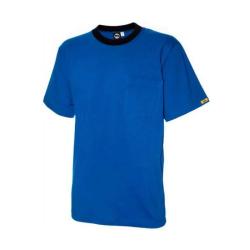
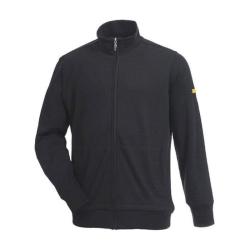
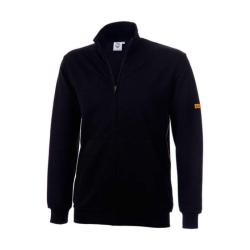
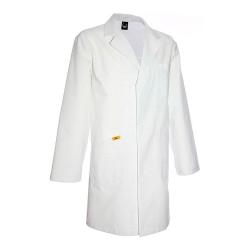
ESD clothing comprises specialized garments including jackets, coats, overalls, shirts, gloves, and footwear designed to prevent electrostatic discharge in sensitive electronic environments. Electronics manufacturing, semiconductor fabrication, cleanroom operations, and precision assembly facilities require ESD protective clothing to prevent component damage from static electricity buildup. The garments feature conductive fibers woven into the fabric matrix that safely dissipate static charges to ground, protecting sensitive components rated below 100 volts from destructive electrostatic discharge events.
What are the key technical specifications to consider when selecting ESD protective clothing?
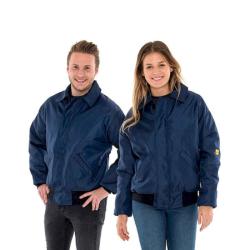
ESD clothing selection requires evaluating surface resistance typically between 10^6 to 10^11 ohms per square, fabric weight measured in grams per square meter like the 130g/m² specification found in Safeguard winter jackets, and charge decay time under 2 seconds per IEC 61340 standards. Material composition determines conductivity with carbon fiber threads or metallic filaments integrated into polyester or cotton blends providing the necessary electrical properties. Size availability from XS through 5XL ensures proper fit while maintaining electrical continuity, and garment style selection between jackets, coats, overalls, and specialized cleanroom garments depends on contamination control requirements and mobility needs.
Which international standards govern ESD protective clothing certification and compliance?
ESD protective clothing must comply with IEC 61340-5-1 standard for electrostatics protection of electronic devices, which specifies surface resistance measurements and charge decay requirements for garments used in EPA (Electrostatic Protected Areas). EN 1149 European standard defines requirements for electrostatic properties of protective clothing including surface resistance testing and charge decay time limits. ANSI/ESD S20.20 establishes comprehensive ESD control program requirements including garment specifications, while ISO 12127 specifies test methods for measuring electrical resistance of materials used in ESD protective clothing manufacturing.
What are the differences between ESD winter jackets, cleanroom overalls, and standard ESD coats?
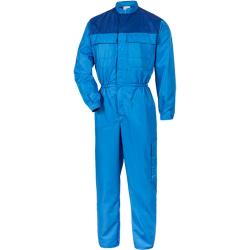
ESD winter jackets like the Safeguard 130g/m² models provide thermal insulation while maintaining electrical conductivity for outdoor or cold storage applications, featuring heavier fabric construction compared to standard ESD garments. Cleanroom overalls offer full-body coverage with sealed seams and low particle generation properties required in controlled environments, typically manufactured from smooth synthetic materials that minimize contamination. Standard ESD coats and lab jackets provide upper body protection with lighter weight fabrics suitable for general electronics assembly areas where temperature control and particle generation are less critical than basic electrostatic discharge prevention.
What are the installation and system integration requirements for ESD clothing programs?
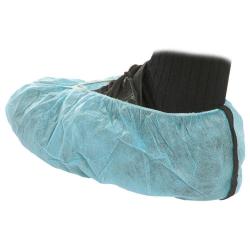
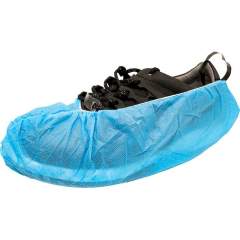
ESD clothing systems require proper grounding infrastructure including conductive flooring, grounding straps, and heel grounders to complete the electrical path from garment to earth ground potential. Garment dispensers like the Hygomat Comfort automated shoe cover dispenser ensure consistent contamination control at EPA entry points while maintaining inventory tracking. The clothing program must integrate with facility grounding systems verified at less than 1 megohm resistance, and garments require electrical continuity testing using surface resistance meters calibrated to IEC 61340 standards before initial use and during periodic inspections.
What safety ratings and environmental operating conditions apply to ESD protective clothing?
ESD protective clothing maintains electrical properties within operating temperature ranges typically from -10°C to +40°C for standard applications, with specialized garments rated for extended temperature ranges in semiconductor cleanrooms or cold storage facilities. Garments must demonstrate surface resistance stability across humidity ranges from 12% to 80% relative humidity per ANSI/ESD S20.20 requirements. Chemical compatibility ratings ensure garments resist degradation from common industrial solvents and cleaning agents used in electronics manufacturing, while flame resistance properties may be required in environments with additional fire hazards beyond electrostatic discharge concerns.
What are the maintenance requirements and service life expectations for ESD protective clothing?
ESD protective clothing requires electrical testing every 6 months using surface resistance measurements to verify conductivity remains within 10^6 to 10^11 ohm specification limits throughout the garment's service life. Proper laundering using ESD-safe detergents without fabric softeners maintains electrical properties while removing contamination, with washing frequency determined by cleanroom class requirements and soil level. Garment service life typically ranges from 50 to 100 wash cycles depending on fabric construction and usage intensity, with replacement required when surface resistance measurements exceed specification limits or physical damage compromises electrical continuity paths.
ESD clothing
ESD equipment
ESD clothing forms the final and most direct layer of electrostatic discharge protection between the operator and sensitive components. Compliant garments achieve a surface resistance of 10⁵-10⁹ Ω and a charge decay time of <0.5 s, meeting the requirements of IEC 61340-5-1 and EN 1149-5. Conductive carbon-grid or polyester-carbon-blend fabrics dissipate triboelectric charges generated by body movement before they can reach an ESD-sensitive device (ESD withstand voltage <100 V).
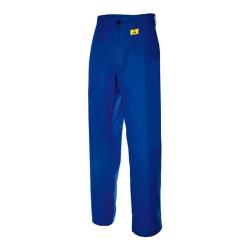
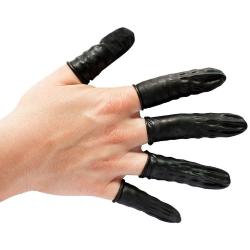
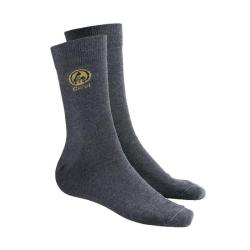
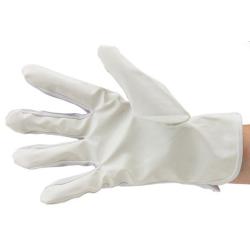
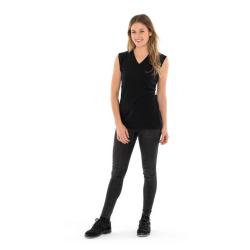
esd.equipment stocks 1,665+ ESD garment lines spanning full-body coveralls, smocks, polo shirts, T-shirts, sweatshirts, jackets, trousers, dungarees, socks, gloves, finger cots, cleanroom gloves, overshoes, and hoods - all verified against IEC 61340-5-1 / IEC 61340-5-2 EPA requirements. Sourced from certified workwear manufacturers, every item integrates directly into a grounded EPA system.