
Clothing
Finger cots
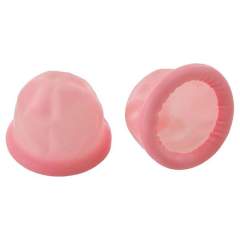
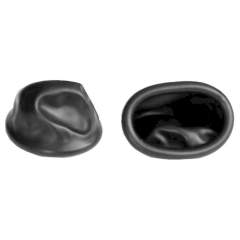
ESD finger cots protect moisture-sensitive and electrostatically sensitive components from fingerprints, skin oils and electrostatic discharge during direct handling. The range includes conductive latex finger cots from EGB and Safeguard CONDUCTEX in sizes S to XL, as well as Warmbier finger cots made from conductive latex in black (sizes M and L, 1440 pieces per pack). The EGB finger cots are available as standard, while the Safeguard version is supplied rolled in black and also suits cleanroom-compatible applications (pink latex finger cots).
- 15 items
- 3 manufacturers
- Net prices plus VAT



Buying guide
How to choose Finger cots
What matters when choosing: properties, comparison and typical applications.
Technical features
Selection and usage notes
| Product | Material | Colour | Pack / Notes |
|---|---|---|---|
| EGB finger cots | Latex, conductive | n/a | Standard, S/M/L/XL |
| Safeguard CONDUCTEX rolled | Latex, conductive | Black | S/M/L/XL, rolled |
| Latex finger cots pink | Latex, conductive | Pink | Cleanroom-compatible, M/L |
| Warmbier 8750.B.M | Latex, conductive | Black | 1440 pcs, size M |
| Warmbier 8750.B.L | Latex, conductive | Black | 1440 pcs, size L |
Finger cots are pulled over the fingertips and typically reach to the second knuckle. For tasks requiring full hand protection against contamination, ESD gloves are the appropriate choice.
Typical applications
Typical applications: PCB assembly and inspection, handling of IC components and sensors, assembly of optical lenses and camera modules, SMD rework at repair stations, wafer handling in semiconductor manufacturing, and quality inspection of ESD-sensitive assemblies in EPA zones per DIN EN 61340-5-1.