
Choosing a torque wrench: type, range and calibration?
A torque wrench tightens fasteners to a defined torque in newton metres. What matters is the type, the right measuring range and regular calibration to ISO 6789. Working in the correct range and caring for the wrench delivers repeatable, documentable results.
View torque wrenchesWhich types of torque wrench are there?
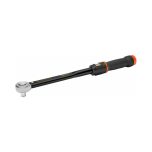
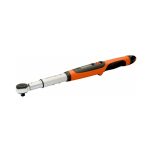
Three designs cover most jobs. The click torque wrench signals the set torque with a tactile and audible click. The dial or pointer wrench reads the value directly. The electronic wrench measures digitally and can store and record readings.
| Type | Principle | Use |
|---|---|---|
| Click | signals the preset torque with a click | repeat tightening to a fixed target |
| Dial / pointer | reads the applied torque directly | checking and control measurements |
| Electronic | measures digitally, stores and logs | QA, documentation, varying targets |
How do I pick the range and accuracy?
The measuring range is stated in newton metres (Nm). Work within 20 to 100 percent of full scale, best between 20 and 80 percent - here the wrench gives the most reliable values. Near the bottom of the scale the relative error grows, so pick a fitting range rather than an oversized wrench.
Where forces rather than torque are needed, choosing a gauge helps - see Choosing a force gauge.
Why calibration and correct handling matter?
A torque wrench is a measuring instrument and loses accuracy with use. Regular calibration - by usage interval or cycle count - keeps it within tolerance and provides a traceable record. For click wrenches there is one more rule: after use, release the setting to the lowest value so the spring does not fatigue.
Frequently asked questions
In which range should I use the torque wrench?
Within 20 to 100 percent of full scale, best between 20 and 80 percent. Near the bottom of the scale the relative error grows, and an oversized wrench measures small torque inaccurately.
How accurate is a torque wrench?
To ISO 6789 the typical tolerance is ±4 to ±6 percent of the displayed value. The accuracy holds only within the specified range and with regular calibration.
Do I need to release a click wrench after use?
Yes. Reset the setting to the lowest value after work so the spring is not under permanent load and the calibration is preserved.
The right torque wrench for your fasteners
Click, dial and electronic torque wrenches in matching Nm ranges and drive sizes - with notes on selection and calibration.
Reviewed
Content reviewed by measurement specialists.
Per ISO 6789
Accuracy and calibration to the standard.
All types
Click, dial and electronic from a single source.
Selection help
We help you choose the right products; technical details are clarified with the manufacturer.