
Calibrating and adjusting a balance - what is the difference?
Calibration means comparing the reading to a test weight and documenting the deviation, without changing the instrument. Adjustment actively corrects the balance so it reads correctly. Verification is the legal act for legal-for-trade scales. Three terms, three different goals.
View test weightsCalibrate, adjust or verify - what is meant?
Calibration compares the reading to a test weight and only documents the deviation - the instrument stays unchanged. Adjustment actively corrects the balance until it shows the nominal value. Verification is the official, legally regulated act for legal-for-trade scales in commercial use.
| Action | What happens | Result |
|---|---|---|
| Calibration | Compare reading to test weight, record deviation | Calibration certificate, instrument unchanged |
| Adjustment | Correct the instrument until the reading is right | Balance reads correctly again |
| Verification | Official check of legal-for-trade scales | Legally valid in commerce |
How do I calibrate a balance correctly?
Calibration follows a fixed sequence: acclimatise and level the balance, load it with an OIML test weight of a suitable class and document the deviation. The test weight error should be at most about one third of the permissible balance tolerance (1/3 rule).
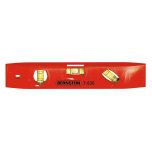
- Let the balance acclimatise at its location and level it with the spirit level.
- Choose a test weight of a suitable OIML class (error max. about 1/3 of the tolerance).
- Check the zero point, then load with the test weight in suitable steps.
- Read the display and note the deviation from the nominal value.
- Record the result with date, measured value and limit value in the calibration certificate.
For choosing the right weight see OIML test weights and classes, for the right balance see Choosing a scale.
Which environmental effects distort weighing?
Precision balances react sensitively to temperature changes, uneven placement and draught. An unlevelled bench, an air current or heat from the hand distort the value. That is why regular calibration intervals are needed, depending on use and accuracy requirement.
Frequently asked questions
What is the difference between calibration and adjustment?
Calibration compares the reading to a test weight and only documents the deviation, without changing the instrument. Adjustment actively corrects the balance until it reads correctly.
Which test weight do I need for calibration?
An OIML test weight of a suitable class. As a rule of thumb the test weight error should be at most about one third of the permissible tolerance of the balance.
Does my balance have to be verified?
Verification is only required for legal-for-trade scales in commercial use. For internal processes a regular calibration with a calibration certificate is often enough.
Test weights and balances from a single source
OIML test weights of a suitable class, balances and accessories for calibration and adjustment.
OIML weights
Test weights in suitable accuracy classes.
Reviewed
Content reviewed by measurement specialists.
Single source
Balances, weights and accessories in stock.
Selection help
We help you choose the right products; technical details are clarified with the manufacturer.