
Tool storage: wall, cabinet or trolley?
Tool wall with a shadow board, lockable cabinet with foam inlays or a mobile tool trolley: the right storage depends on mobility, the number of tools and how many people share them. This guide compares the three systems and shows how labelling keeps order in place for good.
View tool storageWall, cabinet or trolley - which system fits?
Tool storage comes in three basic forms: the tool wall as an open shadow board, the tool cabinet with foam inlays and the mobile tool trolley. Each has a clear strength - the choice comes down to mobility, the number of tools and whether several people share them.
The tool wall is a perforated or louvre panel with hooks. Every tool hangs open and within reach; a printed or cut shadow board marks each spot. If a tool is missing, the empty outline is visible at a glance - this is 5S in practice and turns the storage itself into an order check.
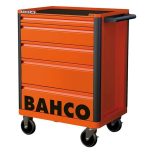
The tool cabinet holds tools protected and lockable. Custom foam inlays keep each item in place, guard against dust and damage and document completeness. The mobile tool trolley brings drawers and tools straight to the job and suits work that does not happen at a fixed station.
| System | Strength | Use |
|---|---|---|
| Tool wall / shadow board | open, instantly visible | fixed workstation, 5S control |
| Cabinet with foam inlay | protected, lockable | shared tools, high-value sets |
| Mobile tool trolley | flexible, transportable | changing locations, field service |
How do I choose by mobility, quantity and users?
Three questions lead to the right solution: is the work fixed or changing (mobility), how many tools need a home (quantity), and do several people share the stock (users)? The answers set the systems clearly apart.
- Fixed station, constant access: tool wall with shadow board - all open, every reach lands.
- Changing locations: a mobile trolley brings the tools to the job.
- Large quantity or high-value sets: a cabinet with drawers and foam inlays orders and protects.
- Tools shared by several users: a lockable cabinet secures access and return control.
- Visibility required: an open wall or foam inlay makes missing items obvious at once.
The systems are not mutually exclusive. Frequently used hand tools on the wall, valuable or delicate sets in the lockable cabinet and a trolley for the mobile job combine into one coherent concept - matched to the workbench and workshop trolley.
Why does labelling matter most?
Every system lives on its labelling. Shadow outlines, labelled drawers and colour coding turn storage into a system where each tool has a fixed home and deviations stand out at a glance.
Label hooks, compartments and drawers consistently, arrange by how often a tool is reached for and set a fixed return spot. That keeps the stock complete, removes the search and makes order a habit rather than a clean-up.
Frequently asked questions
Wall, cabinet or trolley - which is better?
None is better in principle. The tool wall wins at a fixed station with instant visibility, the lockable cabinet protects shared or high-value sets, the trolley brings tools to a changing location. Mobility, quantity and the number of users decide.
What is a shadow board?
A shadow board shows the outline of each tool at its place on the wall or perforated panel. If a tool is missing, the empty outline is visible at a glance. It is 5S in practice and secures completeness without counting.
Why foam inlays in a tool cabinet?
Custom foam inlays keep each tool in place, guard against dust and damage and make missing items obvious at once - ideal for high-value sets and shared tools.
Tool storage for every workstation
From the tool wall to the lockable cabinet to the mobile trolley - with labelling and order from a single source. We help you choose.
5S-ready
Shadow board and foam inlay show missing items at once.
Protection & access
Lockable cabinets for shared and high-value tools.
Combinable
Wall, cabinet and trolley combine into one concept.
Selection help
We help you choose the right products; technical details are clarified with the manufacturer.