What are Hakko soldering and desoldering tips used for in industrial applications?
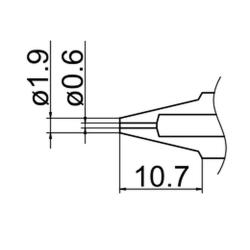
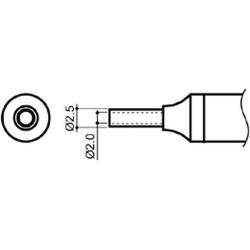
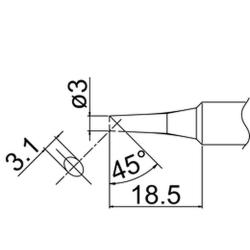
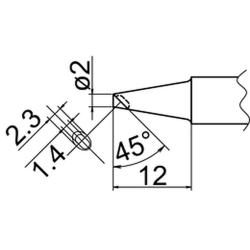
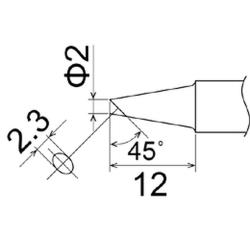
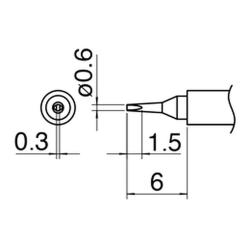
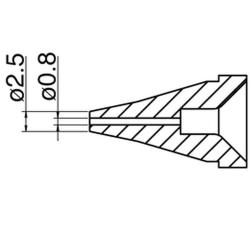
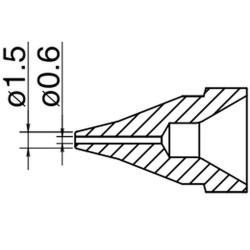
Hakko soldering and desoldering tips are precision-engineered consumable components designed for professional electronics manufacturing, circuit board repair, and surface-mount device (SMD) rework operations. These specialized tips are extensively used in electronics production facilities, automotive electronics manufacturing, aerospace component assembly, and medical device production where ESD-safe soldering is critical. The composite construction with optimized thermal transfer properties enables consistent temperature distribution across component footprints, making them essential for BGA rework, PLCC component removal, and QFP package installation in high-reliability applications.
What technical specifications determine the selection of Hakko soldering tips for specific applications?
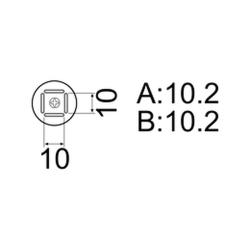
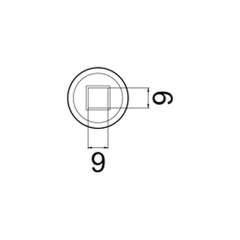
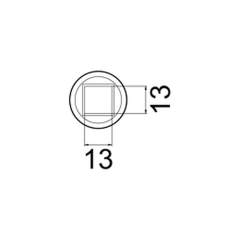
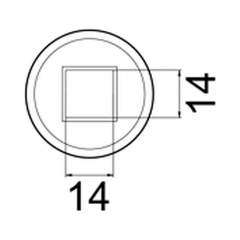
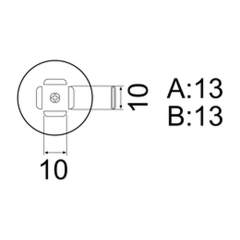
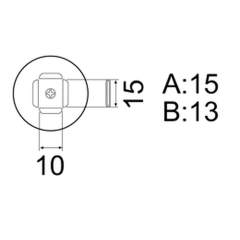
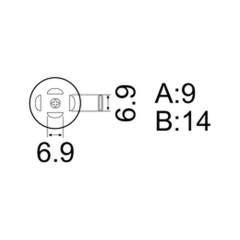
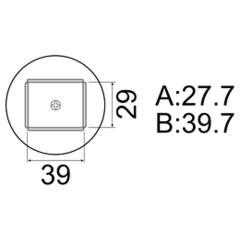
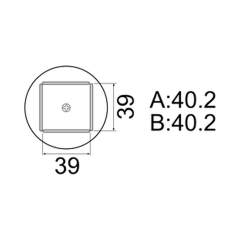
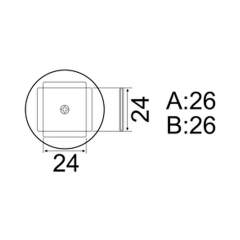
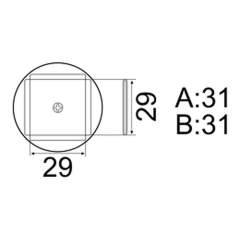
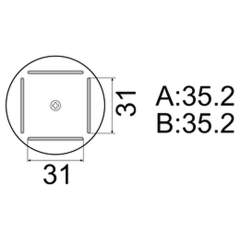
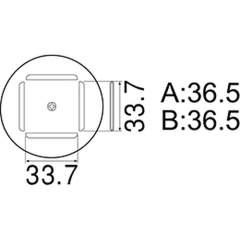
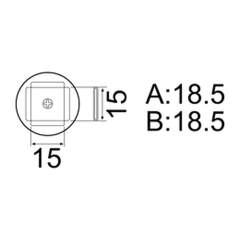
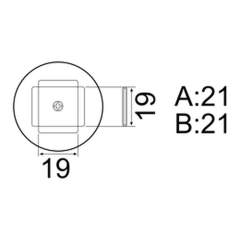
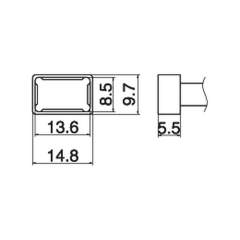
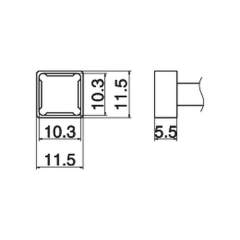
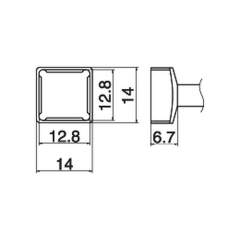
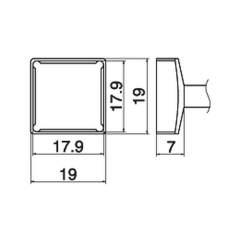
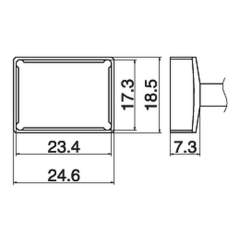
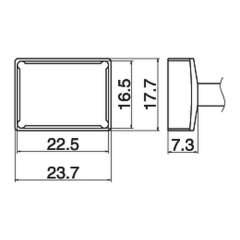
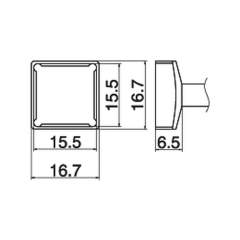
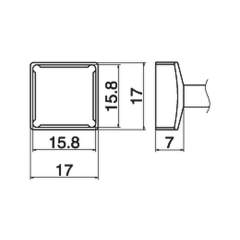
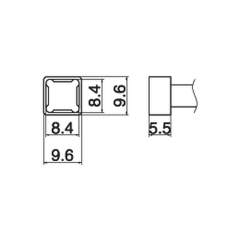
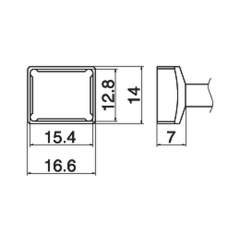
Hakko tip selection depends on component package dimensions, pin count, and thermal requirements, with BGA tips available in 8x8mm, 12x12mm, and 13x13mm configurations for different ball grid array sizes. PLCC tips range from 12.5x7.3mm for 18-pin packages up to 34x34mm for 100-pin applications, while QFP tips accommodate packages from 28x40mm to 40x40mm dimensions. The composite tip construction ensures rapid heat transfer with temperature stability within ±2°C, and compatibility spans multiple station models including FR-801, FR-802, FR-803, and 850 series hot air stations. Tip geometry and airflow patterns are optimized for specific package types to prevent component damage during reflow processes.
Which international standards apply to Hakko soldering tips for industrial electronics work?
Hakko soldering and desoldering tips comply with IPC-A-610 workmanship standards for electronic assemblies and IEC 61340-5-1 requirements for ESD protective measures in electronics manufacturing. The tips meet ISO 9001 quality management standards and are designed to work within IPC-7711/7721 rework guidelines for surface mount and through-hole technologies. For ESD-sensitive applications, the tips maintain compatibility with IEC 61340 electrostatic discharge control protocols, ensuring safe handling of CMOS and other static-sensitive components. Temperature control accuracy aligns with J-STD-001 soldering requirements, maintaining thermal profiles necessary for lead-free and leaded solder joint formation.
How do BGA, PLCC, and QFP Hakko tips differ in design and application?
BGA tips like the A1470 series feature square openings with precise 8x8mm to 13x13mm dimensions to match ball grid array footprints, providing uniform heating across the entire component area without overheating adjacent components. PLCC tips such as the A1139B through A1189B series incorporate rectangular geometries ranging from 12.5x7.3mm to 34x34mm to accommodate plastic leaded chip carrier pin configurations from 18 to 100 pins. QFP tips including A1203B and A1264B models feature quad flat pack-specific airflow patterns for 35x35mm and 40x40mm packages, with directed heat zones that prevent lead damage during removal. Each tip type incorporates component-specific thermal profiles optimized for the respective package thermal mass and lead frame materials.
What compatibility requirements exist for Hakko tip installation on hot air stations?
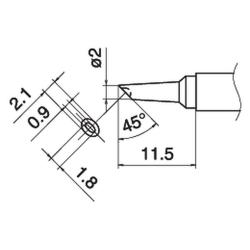
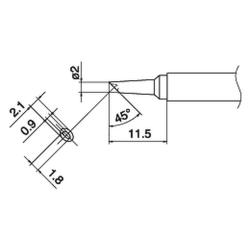
Hakko tips require direct compatibility with specific hot air station models, with BGA and PLCC tips fitting FR-801, FR-802, FR-803, and selected 850/852 series stations through standardized bayonet-style connections. Installation requires the station to be completely cooled below 50°C, and the tip must be seated until the locking mechanism engages with an audible click to ensure proper thermal and pneumatic sealing. The A1470 series BGA tips and composite soldering tips like the T15-1201 utilize different mounting systems, with hot air tips using quick-change bayonet fittings while soldering iron tips employ threaded connections with specific torque requirements. Proper installation verification includes checking tip alignment and confirming airflow patterns match the intended component footprint before energizing the system.
What are the operating temperature ranges and safety ratings for Hakko soldering tips?
Hakko soldering tips operate within a controlled temperature range of 200°C to 480°C with precision thermal regulation maintaining ±2°C accuracy throughout the working range, suitable for both lead-free SAC305 alloys requiring 245°C and traditional 60/40 solder at 183°C. The composite tip construction withstands continuous operation at maximum temperature settings while maintaining ESD-safe properties with resistance values below 10⁹ ohms per IEC 61340-5-1 standards. Hot air tips for BGA and PLCC applications handle airflow temperatures up to 500°C with integrated thermal protection preventing overheating damage to sensitive semiconductor devices. The tips maintain IP20 ingress protection rating and operate safely within ambient temperatures from 10°C to 40°C with relative humidity below 80% non-condensing.
What maintenance intervals and service life expectations apply to Hakko soldering tips?
Hakko composite soldering tips require cleaning after every 8-10 joints using dampened cellulose sponges and tin-refreshing every 20-25 soldering cycles to maintain optimal heat transfer and prevent oxidation buildup that reduces thermal efficiency. Hot air tips for BGA and PLCC rework should undergo visual inspection every 50 operating hours to check for airflow obstruction or thermal damage, with complete cleaning recommended every 100 hours using compressed air and appropriate solvents. Service life typically extends 200-400 hours for composite tips under normal industrial usage with proper maintenance, while hot air tips achieve 300-500 hours depending on operating temperatures and component types processed. Replacement indicators include visible tip erosion, irregular heating patterns, or temperature instability exceeding ±5°C from setpoint values during standard calibration procedures.