Soldering
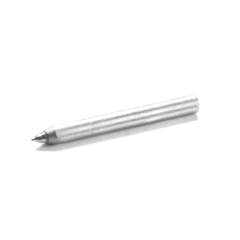
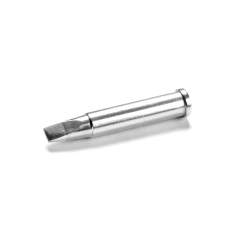
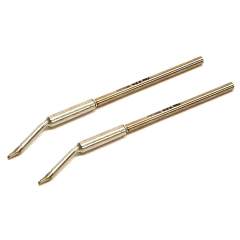
Soldering at esd.equipment covers manual soldering stations, desoldering and rework systems, automated soldering robots, solder fume extraction, inspection systems and the complete range of consumables from the leading manufacturers JBC, Hakko, Weller, Ersa, Metcal, Plato, OKI, Thermaltronics, Quick and Leister. The range extends from compact hand soldering stations for field service technicians through to fully configured 4-axis soldering robots for series production.
All equipment and soldering tips are suitable for ESD-compliant EPA zones. Calibratable stations allow quality documentation per IPC-A-610 and ISO 9001. Manual desoldering aids, solder wick and pumps complement the range for rework and repair.
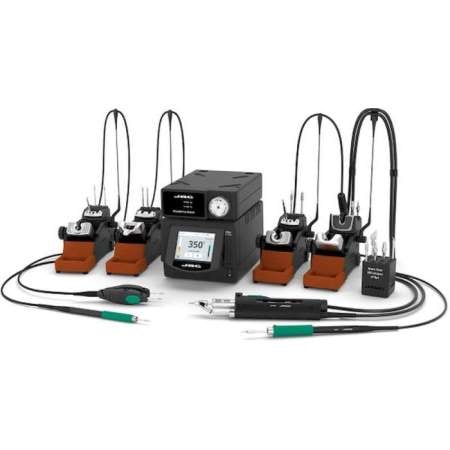 JBC soldering technologyPrecision stations with sleep and hibernation function
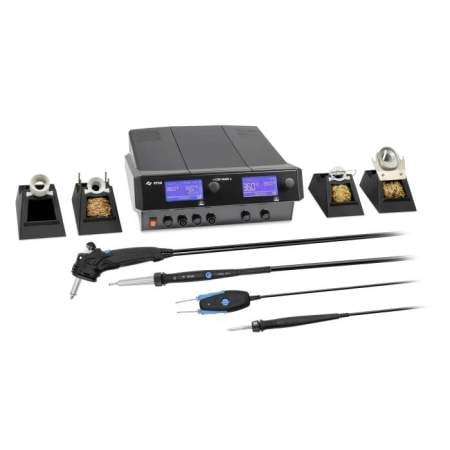 Ersa Soldering Technologyi-Tool MK2, Trace, desoldering stations, tip series 102-162
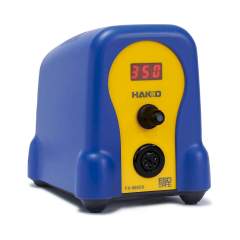
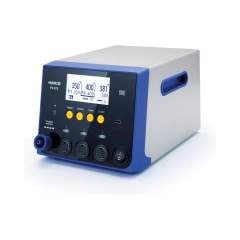
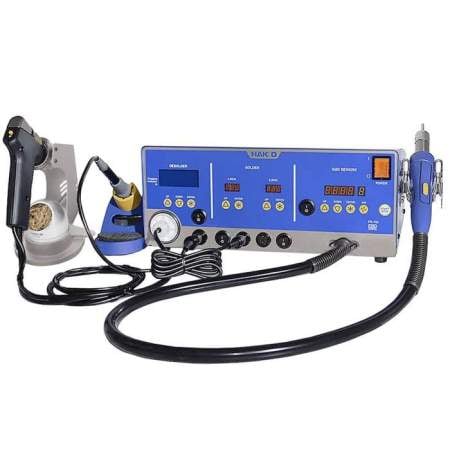 Hakko Soldering stationsFX stations, tip series T12, T15, T32, T35, T39
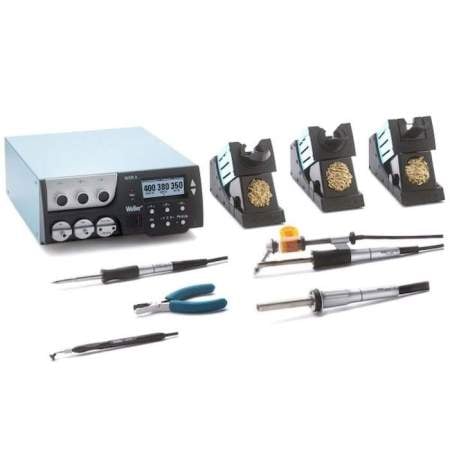 Weller Soldering toolsWE, WX, WT stations, desoldering stations, rework systems
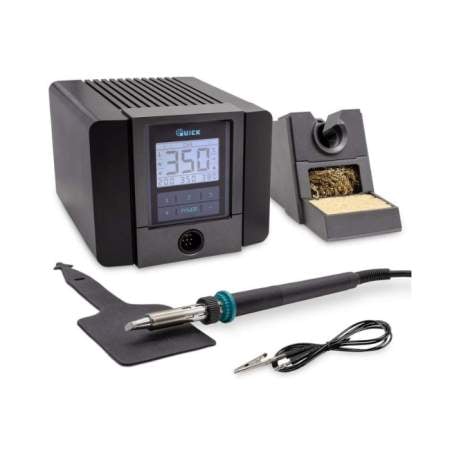 Quick Soldering toolsStations 70-1350 W, soldering robots, extraction systems, ESD
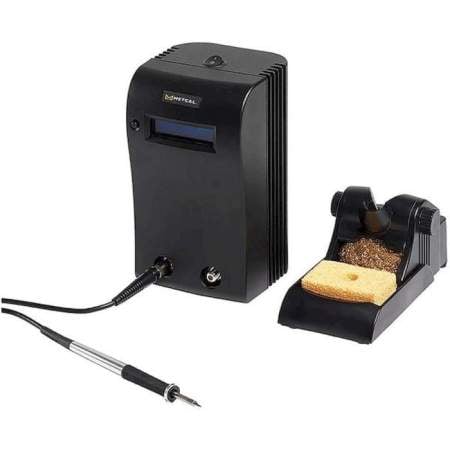 Metcal soldering technologySmartHeat technology, MX and GT tip cartridges
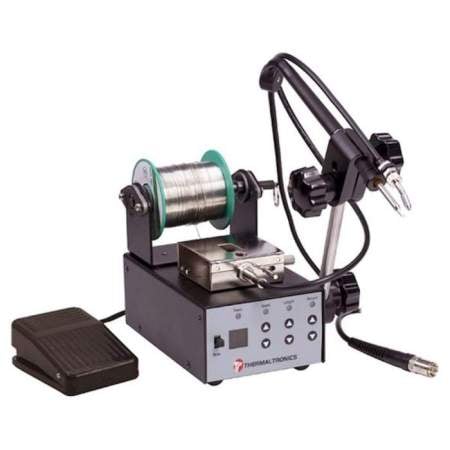 ThermaltronicsTMT stations and Curie-Heat soldering tips
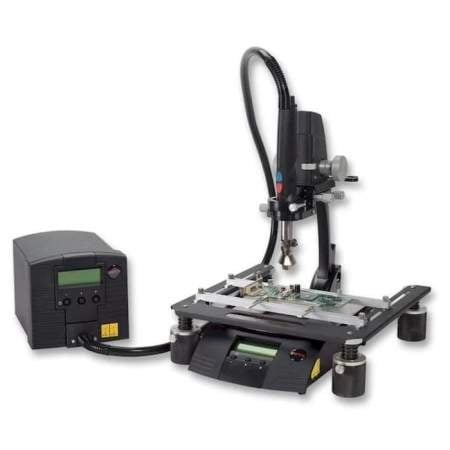 OKI soldering technologyMetallic Jet stations and tips, desoldering units
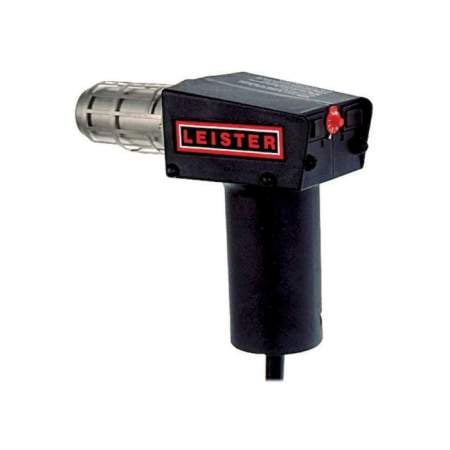 Leister hot air toolsIndustrial hot air units and welding systems from Leister
 Fume ExtractionsBench and floor extractors, ULT, Quick, Plato with HEPA/activated carbon
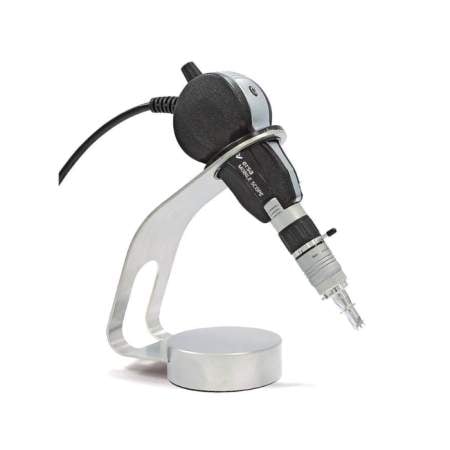 Inspection SystemsMagnifying lamps, microscopes, camera systems for solder joint inspection
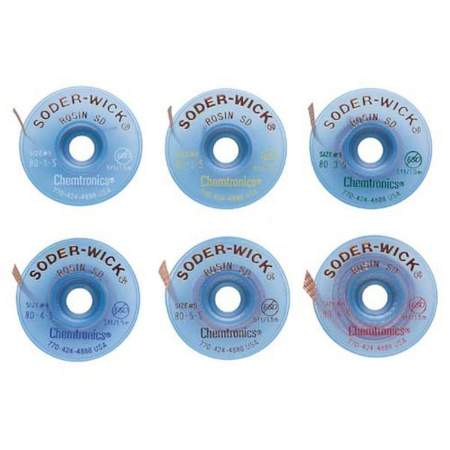 Manual desoldering aidsSolder suckers, solder wick, flux, cleaning consumables
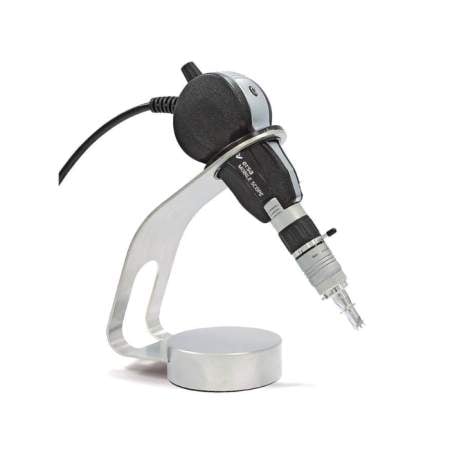 Soldering consumablesSolder wire, flux, chemicals, consumables
| Brand | Technology | Typical stations | Strength |
|---|---|---|---|
| JBC | Cartridge heater element | CD, DDE, CDE, NT115 | Fast heat-up, sleep/hibernate function |
| Hakko | FX stations, composite tips | FX-951, FX-971, FR-301 | Wide tip programme T12/T15/T39 |
| Weller | WE/WX Magnastat, digital control | WE1010, WX1, WT1, WQB | Tool-change station and rework |
| Ersa | i-Tool active, DUR coating | i-Tool MK2, Trace, RDS 80 | Active tip technology, desoldering |
| Metcal | SmartHeat, HF resonance | MX-5200, GT90-H | Self-regulating temperature, no controller |
| Quick | Digital, HF, rapid cartridge | 3202, TS8, 861DW, TR1300A | Broad selection, robots, extraction |
Typical applications: SMT hand soldering and rework in board assembly (IPC-A-610), desoldering and component replacement on PCBs, automated selective soldering in THT series production, quality assurance and solder joint inspection with inspection systems, solder fume extraction in EPA zones, cable assembly and wiring connections, and maintenance and repair in electronics industry service laboratories.