What are Bosch Rexroth power supply systems and where are they used in industrial applications?
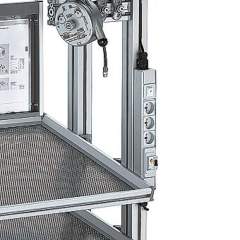
Bosch Rexroth power supply systems are modular electrical distribution solutions designed for industrial workplaces, featuring switchable power strips, socket outlets with RCD protection, and network distribution components. These systems serve assembly lines, manufacturing workstations, quality control stations, and laboratory environments where reliable power distribution with individual circuit control is essential. The product range includes region-specific variants for D (Germany), F (France), GB (UK), CH (Switzerland), and USA/CAN markets, ensuring compliance with local electrical standards. Applications span automotive production, electronics assembly, pharmaceutical manufacturing, and precision engineering where controlled power distribution reduces equipment downtime and enhances operational safety.
What technical criteria determine the selection of Bosch Rexroth power strips for industrial workplaces?
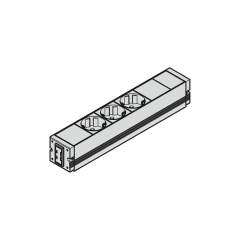
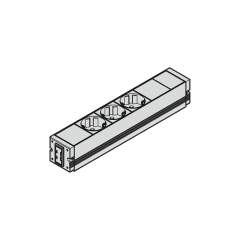
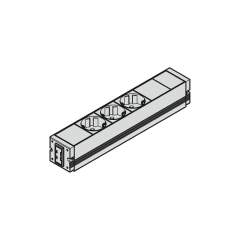
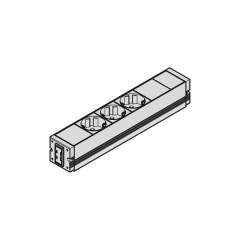
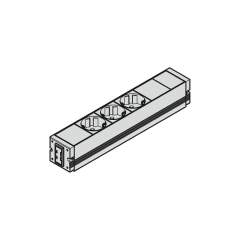
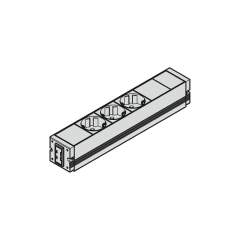
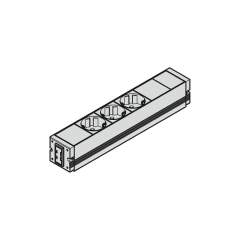
Selection of Bosch Rexroth power strips depends on socket configuration, switching capabilities, RCD integration, and regional electrical standards compliance. The 3842539850 model provides switchable input and output control for German D-type sockets, while the 3842552212 offers network strip functionality with both input and output switching capabilities. Socket quantity ranges from 4-socket configurations like the 3842558636 with integrated RCD protection to 6-socket variants such as the 3842518598 power strip. Critical selection factors include maximum current rating per socket, RCD trip current typically 30mA for personnel protection, mounting compatibility with aluminum profiles, and cable length specifications matching workplace dimensions.
Which electrical standards and certifications apply to Bosch Rexroth industrial power supply components?
Bosch Rexroth power supply components comply with IEC 60364 installation standards, EN 61140 protection against electric shock, and regional variants meeting VDE 0100 for German installations or BS 7671 for UK applications. RCD-equipped models like the 3842539858 and 3842542060 conform to IEC 61008 residual current device standards with 30mA trip sensitivity for personnel protection. The separate RCD unit 3842552214 meets EN 61009 standards for combined overcurrent and residual current protection. All components carry CE marking indicating EMC Directive 2014/30/EU compliance and Low Voltage Directive 2014/35/EU conformity, ensuring electromagnetic compatibility and electrical safety in industrial environments.
How do switchable input versus switchable output Bosch Rexroth power strips differ in functionality?
Switchable input power strips like the 3842539850 control the entire strip's power supply through a single master switch, providing emergency shutdown capability for all connected equipment simultaneously. Switchable output models such as the 3842539882 feature individual socket control switches, allowing selective power management of connected devices while maintaining supply to other outlets. Combined switchable input and output variants like the 3842552212 network strip provide both master control and individual socket switching, offering maximum flexibility for complex workstation configurations. Models with integrated RCD protection such as the 3842539858 add residual current monitoring to prevent electrical hazards, while standard variants focus on basic switching functionality without ground fault protection.
What installation requirements and connection types are specified for Bosch Rexroth workplace power systems?
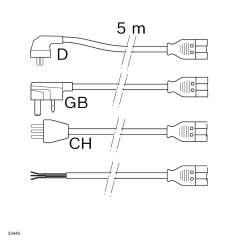
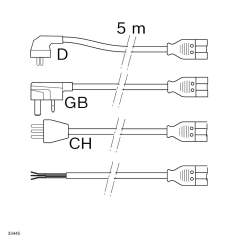
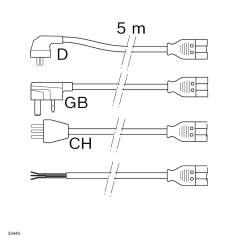
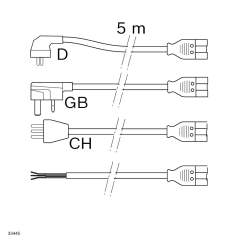
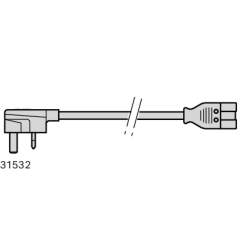
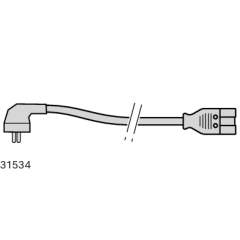
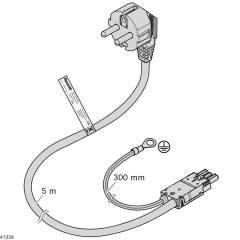
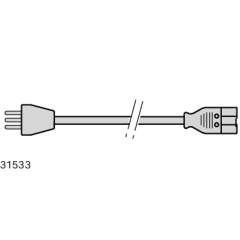
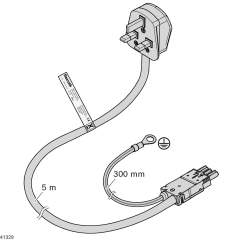
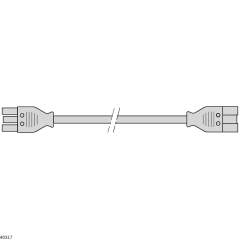
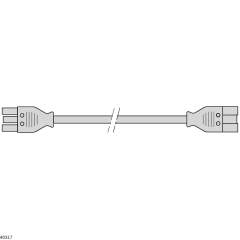
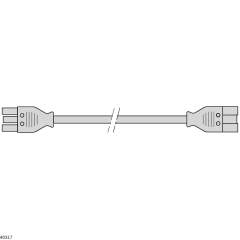
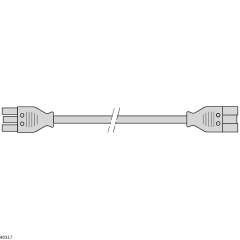
Bosch Rexroth power strips integrate directly with aluminum profile workstation frameworks using standardized mounting brackets and require appropriate mains cables such as the 3842564085 CH HD-GST+PE for Swiss installations. Installation demands qualified electrician connection to building electrical systems with proper earth grounding through PE conductors and circuit protection upstream of each power strip. The systems accommodate various plug types including German Schuko (D), French CEE 7/5 (F), UK BS 1363 (GB), Swiss SEV 1011 (CH), and NEMA configurations for USA/CAN markets. Connection specifications require matching the power strip's rated current capacity with upstream protection devices and ensuring adequate wire gauge for maximum load conditions across all socket positions.
What safety ratings and environmental specifications apply to Bosch Rexroth industrial power distribution equipment?
Bosch Rexroth power strips typically operate within IP20 enclosure protection suitable for clean industrial environments with ambient temperatures from 0°C to 40°C and relative humidity up to 85% non-condensing. RCD-equipped models provide 30mA residual current protection with tripping time under 40ms according to IEC 61008 standards, ensuring personnel safety against electrical shock hazards. Current ratings range from 10A to 16A per socket depending on regional standards, with total strip capacity matching the input connection specification. The aluminum housing construction provides mechanical durability for industrial environments while maintaining electrical insulation properties, and internal surge protection components limit transient overvoltages to protect connected equipment from electrical disturbances.
What maintenance intervals and service life expectations apply to Bosch Rexroth workplace power supply systems?
Bosch Rexroth power strips require monthly visual inspection of housing integrity, cable condition, and switch operation, with RCD-equipped models demanding monthly test button activation to verify 30mA trip functionality. Annual electrical testing by qualified personnel includes insulation resistance measurement exceeding 1 MΩ between conductors and earth, contact resistance verification under 100 milliohms, and RCD trip time confirmation within IEC 61008 specifications. Service life expectancy reaches 15-20 years under normal industrial conditions with switch mechanisms rated for minimum 10,000 operations and RCD units maintaining sensitivity throughout their operational period. Replacement indicators include visible housing damage, switch mechanism failure, RCD test button malfunction, or insulation resistance below acceptable thresholds during periodic electrical safety testing.