
Files, Grinding and Deburring
Brushes and Abrasives
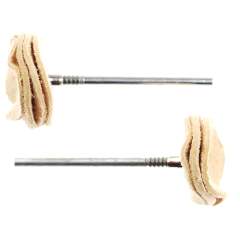
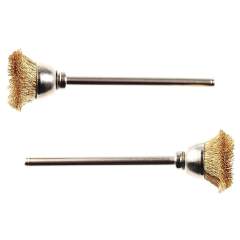
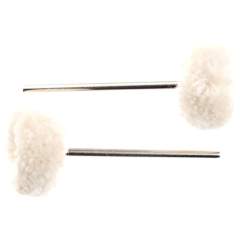
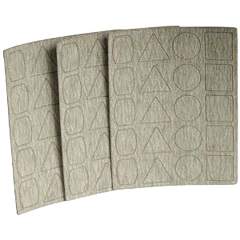
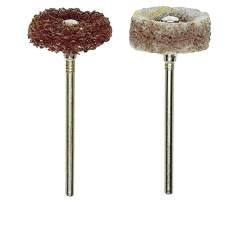
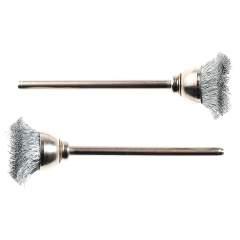
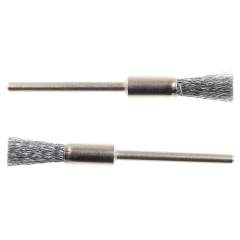
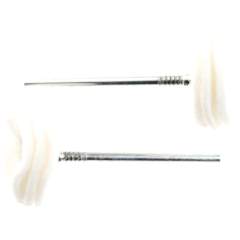
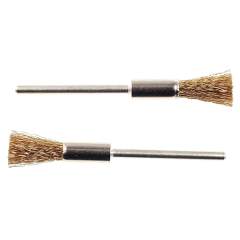
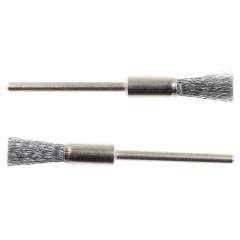
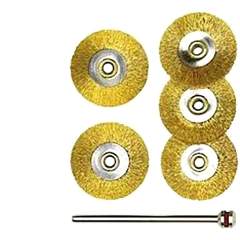
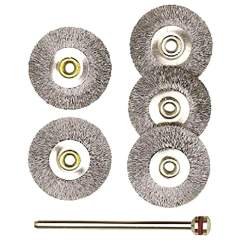
Brushes and abrasives remove oxide, scale, flux residues and fine burrs from metal and plastic surfaces without materially changing the geometry of the part. Most tools in this group run in handheld grinders and rotary tools; selection depends on brush material, shape and diameter as well as on the grit of the abrasive. Brass fill attacks the surface less than steel and suits soft or coated parts, while stainless steel stays rust free in damp conditions. Polishing wheels in silicone, cotton, suede and felt plus replacement abrasive papers in grits 180, 240 and 400 complete the range. The category holds 20 articles from Proxxon and Bernstein.
- 23 items
- 4 manufacturers
- Net prices plus VAT



Buying guide
How to choose Brushes and Abrasives
What matters when choosing: properties, comparison and typical applications.
Technical features
Tool types compared
| Tool type | Diameter | Material | Application |
|---|---|---|---|
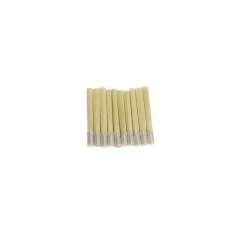
| Pencil brush | Ø 8 mm | steel, brass, stainless steel | bores, corners, solder pads |
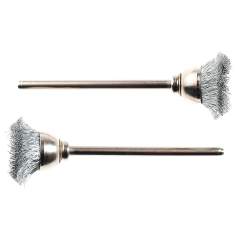
| Cup brush | Ø 13 mm | steel, brass, stainless steel | descaling small areas |
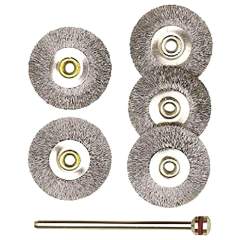
| Wheel brush | Ø 22 mm | steel, brass, stainless steel | edges and narrow faces |
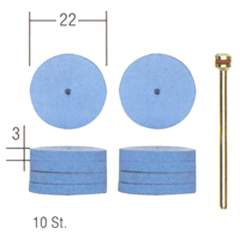
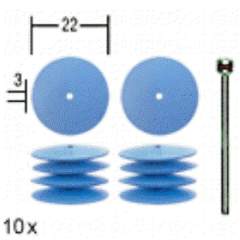
| Polishing wheel | Ø 22 mm | silicone, cotton, suede, felt | pre-polishing through to high gloss |
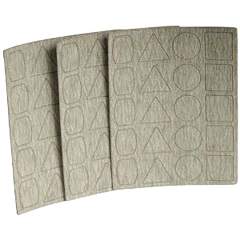
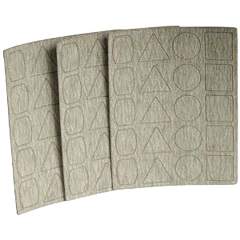
| Replacement abrasive paper | for pen sanders | grit 180, 240, 400 | surface sanding on small parts |
Typical applications
Typical applications: derusting and descaling small parts before further processing; cleaning solder pads and contact faces before rework; removing flux and oxide residues from assemblies; preparing bonding and painting surfaces; polishing enclosure, tool and moulded part surfaces; sanding plastic parts in prototyping and fixture building.