
Torque Tools
Torque Wrenches
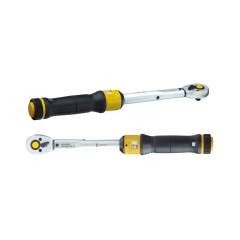
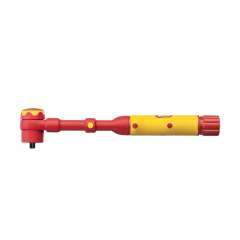
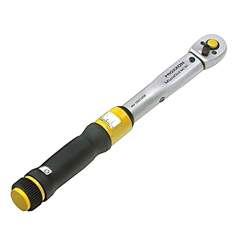
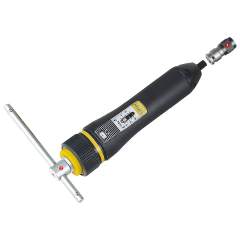
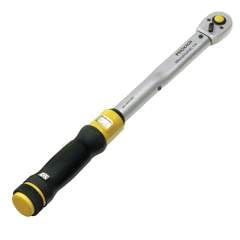
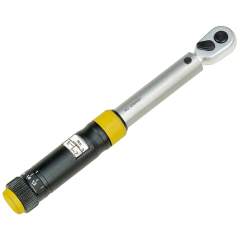
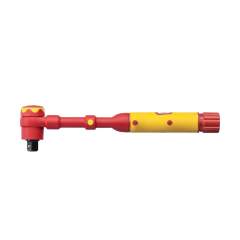
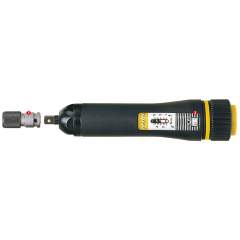
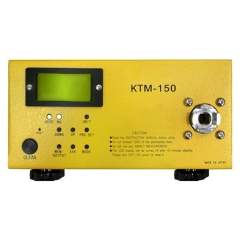
Torque wrenches bring fasteners to a specified tightening torque and keep the result traceable across a whole production series. The basis is DIN EN ISO 6789 with its type I (indicating) and type II (releasing) designs and a permissible deviation of ±4 % above 10 Nm and ±6 % below; the square drive follows DIN 3120 and ISO 1174. The tool only works to specification between 20 and 100 % of full scale, which makes measuring range, drive size, release type and, for ratchet heads, the number of teeth the decisive selection criteria. The range holds 166 items, led by Proxxon and Wera, with Knipex, Hios, Bahco and Bernstein.
- 159 items
- 9 manufacturers
- Net prices plus VAT







Buying guide
How to choose Torque Wrenches
What matters when choosing: properties, comparison and typical applications.
Technical features
Designs compared
| Design | Head | Setting | Feedback |
|---|---|---|---|
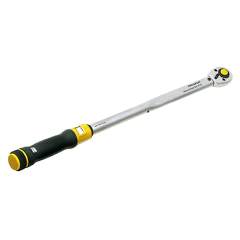
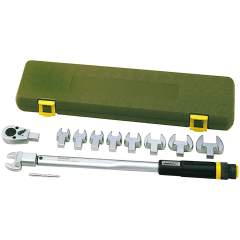
| Releasing wrench, type II | square drive 1/4, 3/8, 1/2 inch | scale on the handle | click with a perceptible break point |
| Indicating wrench, type I | square drive | none, value is read off | pointer or display |
| Preset wrench | square drive or fixed head | factory set or set with a tool | click at the target value |
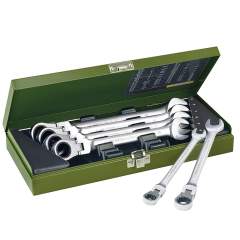
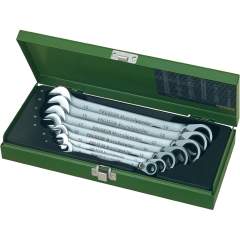
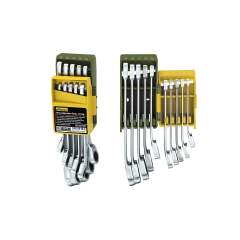
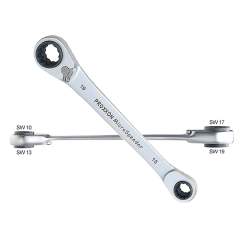
| Ratcheting ring spanner | ring head 8 to 24 mm | none | 72 teeth, 5 degree return angle |
Typical applications
Typical applications: series assembly with a prescribed tightening torque and documentation duty; flange and cover bolts tightened in a defined sequence; maintenance on machines with a manufacturer torque specification; assembly in confined positions with a fine tooth ratchet; construction of test rigs and fixtures; final assembly of units before acceptance.