
Hammers and Striking Tools
Replacement Heads and Handles
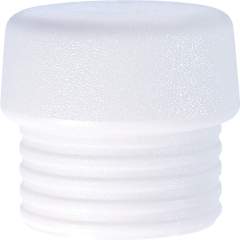
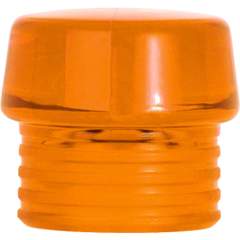
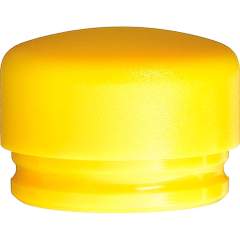
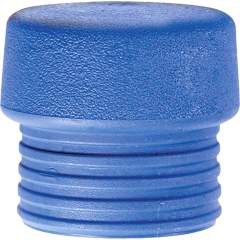
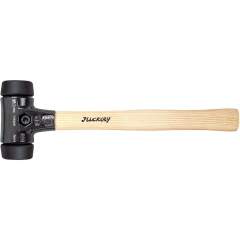
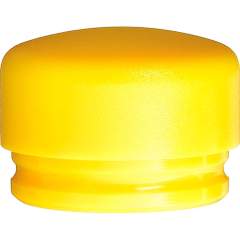
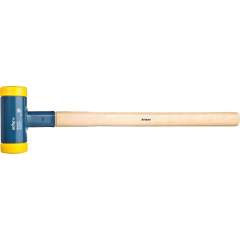
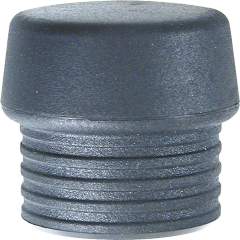
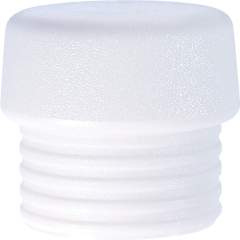
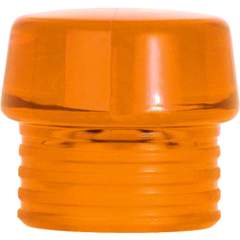
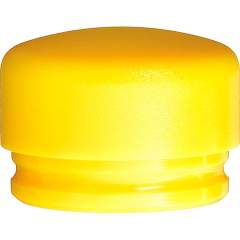
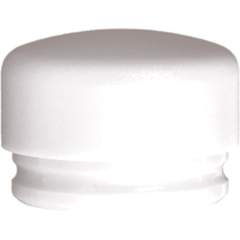
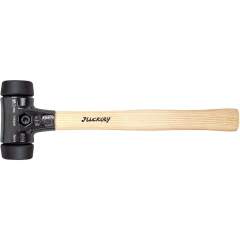
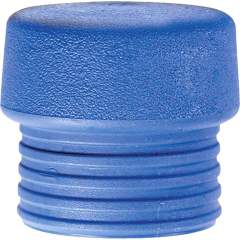
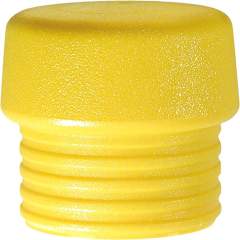
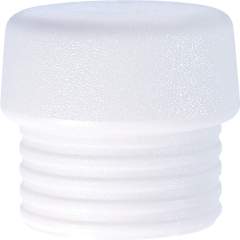
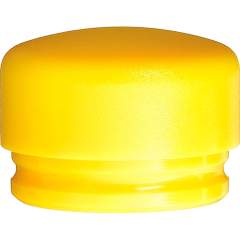
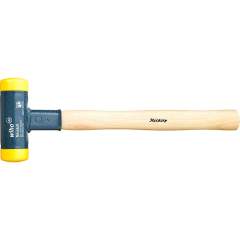
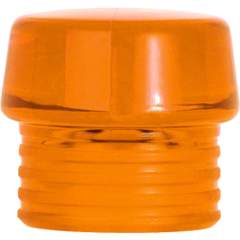
Replacement heads and handles keep soft face hammers in service instead of replacing them: striking heads are wear parts and are changed individually once the face is deformed or split. When ordering, hardness grade, head diameter and hammer family have to match, since heads for the Safety design and for the dead blow design are not interchangeable. The range covers five hardness grades from soft to very hard in diameters from 25 to 80 mm, plus replacement hickory handles as fitted to the matching soft face hammers to DIN 5128. Soft heads are marked blue and very hard heads white, which makes them easy to tell apart at the bench. The category holds 60 articles from Wiha.
- 60 items
- 1 manufacturer
- Net prices plus VAT


Buying guide
How to choose Replacement Heads and Handles
What matters when choosing: properties, comparison and typical applications.
Technical features
Hardness grades and diameters
| Hardness grade | Diameter | Typical use |
|---|---|---|
| soft (blue) | 30 to 60 mm | painted and sensitive surfaces |
| medium soft | 30 to 80 mm | plastic and light alloy parts |
| medium hard | 25 to 80 mm | general straightening and seating work |
| hard | 30 to 60 mm | steel parts and tight fits |
| very hard (white) | 30 to 60 mm | driving out bolts and dowel pins |
Typical applications
Typical applications: refurbishing worn soft face hammers in the workshop; adapting an existing hammer to a softer or harder material by changing the head; replacing cracked hickory handles after mis-hits; stocking wear parts for maintenance work with a high strike rate; converting to very hard heads for driving out bolts; keeping spares for assembly lines standardised on one hammer type.