
Hammers and Striking Tools
Soft Face Hammers
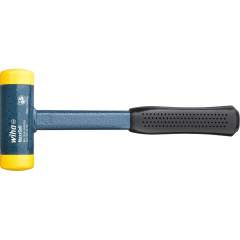
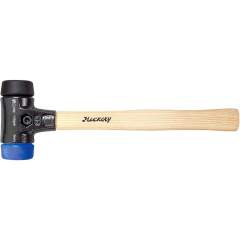
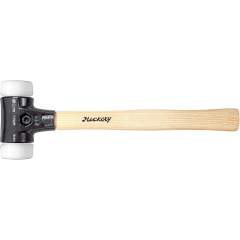
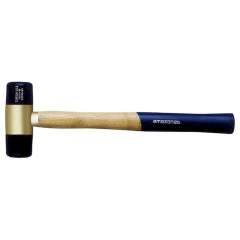
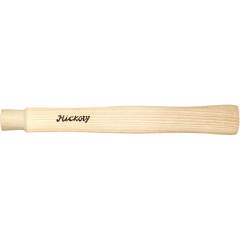
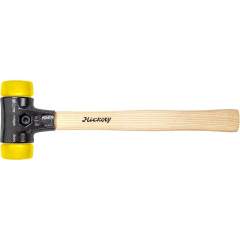
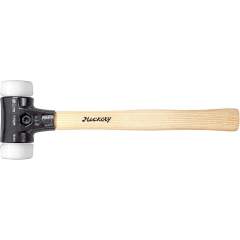
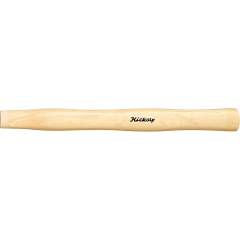
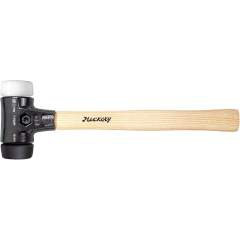
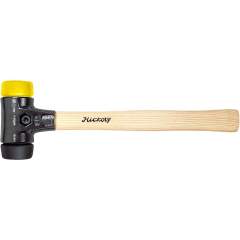
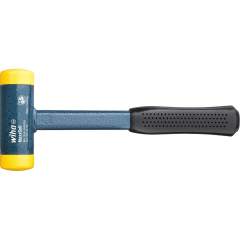
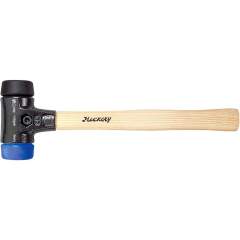
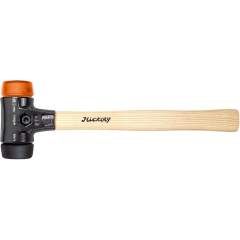
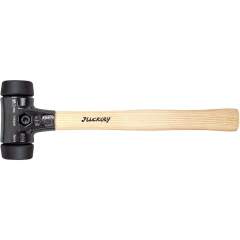
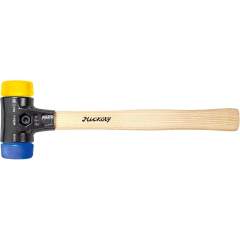
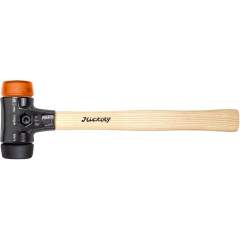
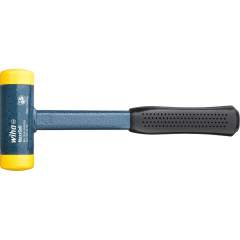
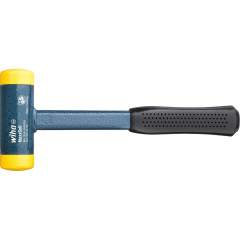
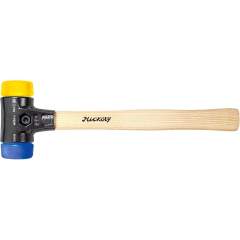
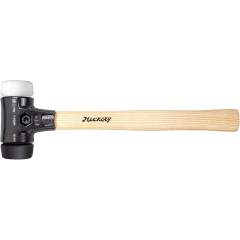
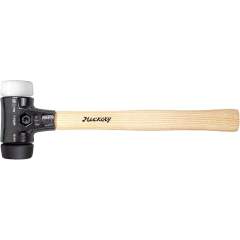
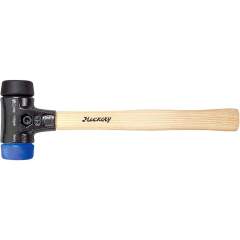
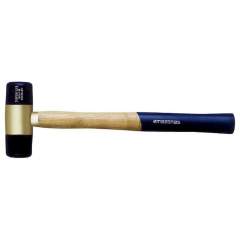
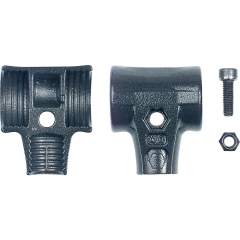
Soft face hammers transfer striking energy without marking the surface of the workpiece. The design to DIN 5128 combines a metal body with replaceable striking inserts in nylon, cellulose acetate, rubber, copper or lead, which are changed individually once worn. Selection depends on head diameter, the hardness of the two inserts and the handle material: heads in this range run from 25 to 80 mm, handle lengths from 290 to 900 mm. Most versions carry two faces of different hardness, from soft to very hard, so one hammer covers two jobs; dead blow versions with steel tube or hickory handles suppress rebound on impact. The category holds 65 articles, mainly from Wiha, supplemented by Bernstein and Bahco.
- 62 items
- 2 manufacturers
- Net prices plus VAT
Buying guide
How to choose Soft Face Hammers
What matters when choosing: properties, comparison and typical applications.
Technical features
Sizes and handle lengths
| Head diameter | Handle length | Handle material | Typical use |
|---|---|---|---|
| 25 mm | 320 mm | hickory or steel tube | dead blow work in confined spaces |
| 30 mm | 290 mm | hickory | assembly of small parts and connectors |
| 40 mm | 325 mm | hickory | straightening sheet metal and sections |
| 50 mm | 360 mm | hickory | seating fits and bearings |
| 80 mm | 400 to 840 mm | hickory | heavy driving on large components |
Typical applications
Typical applications: seating fits, bearings and connectors without leaving marks; straightening thin sheet metal and sections in pre-assembly; aligning enclosure fittings and cabinet internals; assembling plastic and light alloy parts; dismantling in confined spaces with dead blow versions; maintenance on painted and coated surfaces.