
Pneumatics
Cylinder
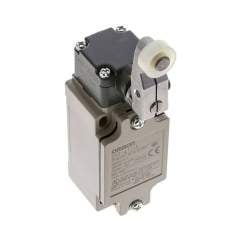
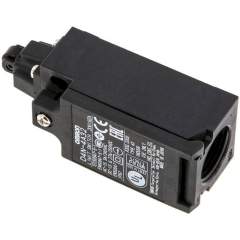
Pneumatic cylinders convert compressed air into linear or rotary motion and are the most widely used actuator in industrial pneumatics. The range spans from standardised round cylinders to ISO 6432 with bore diameters from 8 mm, through ISO 15552 profile cylinders up to 320 mm bore, to compact cylinder series such as LCDQ, SQ and Unitop, plus special types including rodless cylinders, double-piston cylinders and guided cylinders. Mounting accessories, guide units, swivel tables, vacuum ejectors, vibrators and limit switches complete the range.
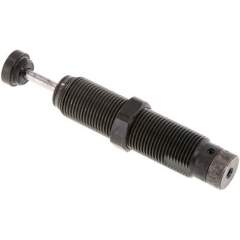
For corrosive environments, stainless-steel round cylinders to ISO 6431 and double-acting stainless-steel cylinders to ISO 6432 in grade 1.4301 are available. Oil-cushioned cylinders and industrial shock absorbers from ACE extend the programme where kinetic energy must be absorbed in a controlled manner.
- 217 items
- 27 subcategories
- 2 manufacturers
- Net prices plus VAT








Buying guide
How to choose Cylinder
What matters when choosing: properties, comparison and typical applications.
Cylinder types and standards overview
Selection by requirement
| Requirement | Recommended series |
|---|---|
| Small envelope, short stroke | Compact cylinder LCDQ, ISO 21287, short-stroke ND/NE |
| Standard application, normalised | Round cylinder ISO 6432, profile cylinder ISO 15552 |
| Corrosive environment | Stainless steel ISO 6431/6432, grade 1.4301 |
| Long stroke, short installation length | Rodless cylinder LZ |
| Lateral force absorption | Guided cylinder SGM, compact slides ELS/EXH |
| Swing and clamping function | Swing-clamp cylinder SQK, swivel tables EMQ |
| Controlled deceleration | Industrial shock absorbers ACE, oil-cushion cylinder XLB |
Typical applications
Typical applications: Assembly and handling automation, fixture and clamping device construction, packaging machinery, printing machines, food and pharmaceutical production (stainless cylinders), smoke and heat extraction systems (RWA cylinders), and general machine automation with varying stroke and force requirements.