
Tweezers
Plastic and Ceramic Tweezers
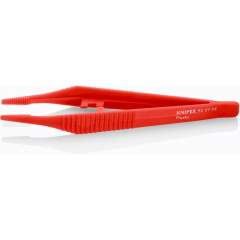
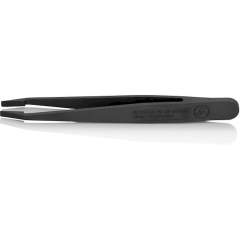
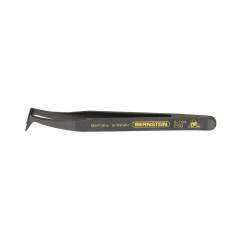
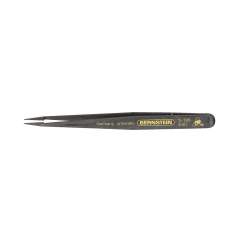
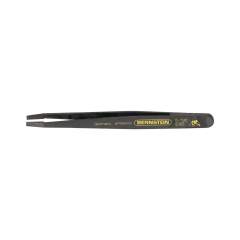
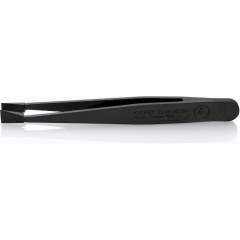
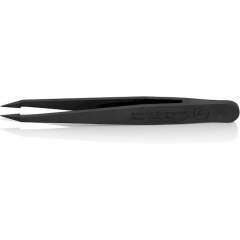
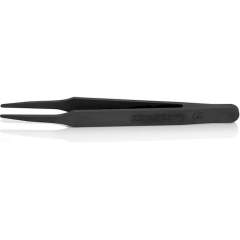
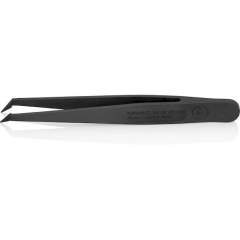
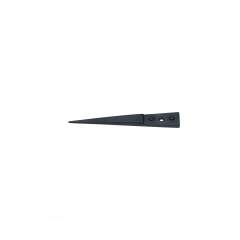
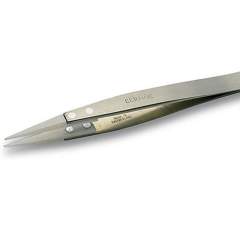
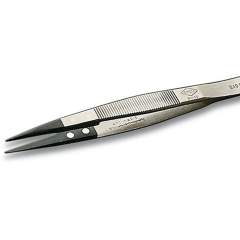
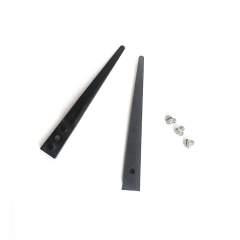
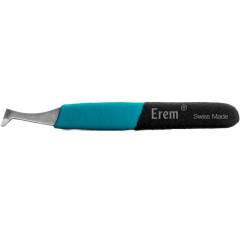
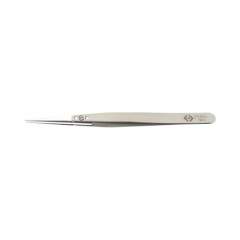
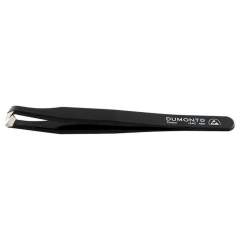
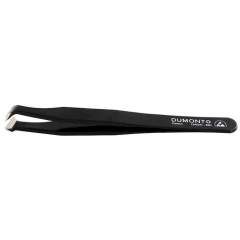
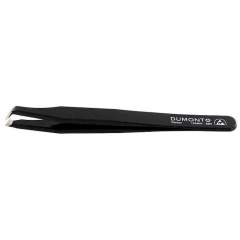
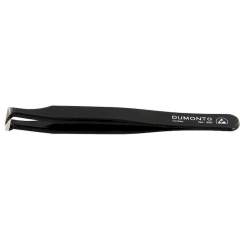
Plastic and ceramic tweezers are used where a steel tip would scratch surfaces, draw off heat or conduct electricity. Plastic versions in PPS and carbon fibre reinforced plastic are chemically resistant and available in dissipative form to IEC 61340-5-1 at 10⁶ to 10⁹ Ω; ceramic tips are heat resistant and non conductive and can be used directly at the hot solder joint. Tip shapes range from the flat shape 35 through the hooked shape 6 to the very fine shape BB, and ceramic replacement tips are offered in 0.7 and 1.8 mm width. The category holds 23 articles from Bernstein, Knipex, Dumont, Weller, Belzer and C.K.
- 23 items
- 6 manufacturers
- Net prices plus VAT
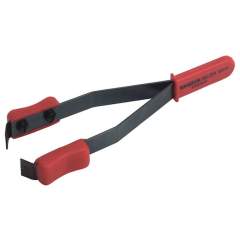
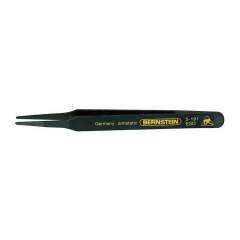
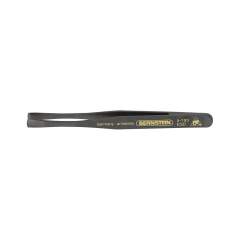
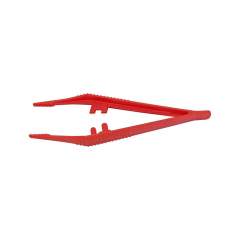
Buying guide
How to choose Plastic and Ceramic Tweezers
What matters when choosing: properties, comparison and typical applications.
Technical Features
Materials compared
| Material | Property | Use |
|---|---|---|
| PPS plastic | insulating, chemically resistant | handling without scratch marks |
| Carbon fibre reinforced plastic | dissipative, 10⁶ to 10⁹ Ω | ESD handling inside the EPA |
| Ceramic | heat resistant, non conductive | work at the hot solder joint |
| Ceramic replacement tips | width 0.7 and 1.8 mm | refitting worn tips |
| Carbon, cutting version | dissipative, cutting tip | types 15A, 15AC, 15AGW and 15ARW |
Typical Applications
Typical applications: Handling painted, polished and coated surfaces without scratches; work at hot solder joints and heating elements; handling in etching and cleaning baths with aggressive media; ESD handling inside the EPA with dissipative plastic; optics and display assembly; laboratory and sample handling without metal contact.