
Tweezers
Assembly Tweezers
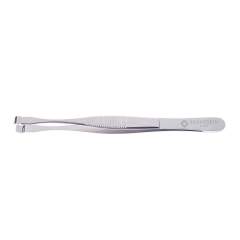
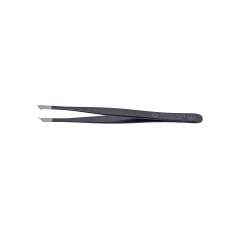
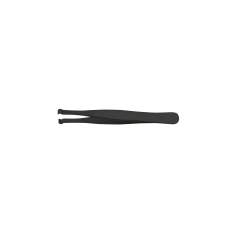
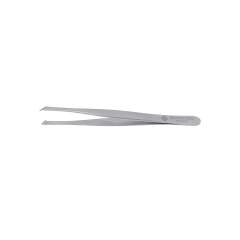
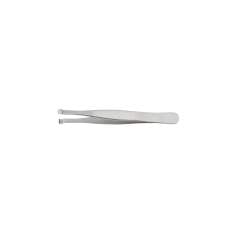
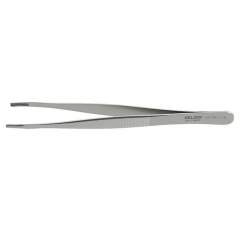
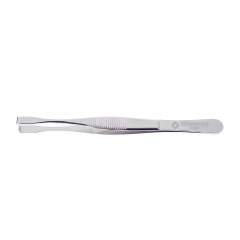
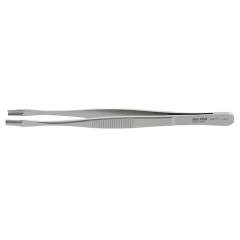
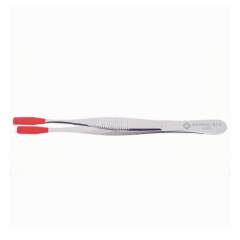
Assembly tweezers have wide shaped jaws instead of pointed tips and hold components over a surface without tilting them. They are used for populating printed circuit boards, setting housings, capacitors and connectors, and for module assembly. Jaw geometry follows shapes 52, 53, 62, 63, 67 and 68, with gripping faces from 1.5 x 5 mm up to 6 mm jaw width. ESD versions are dissipative to IEC 61340-5-1 with a resistance of 10⁶ to 10⁹ Ω. The category holds 27 articles from C.K, Bernstein, Bahco and Lindström.
- 23 items
- 4 manufacturers
- Net prices plus VAT




Buying guide
How to choose Assembly Tweezers
What matters when choosing: properties, comparison and typical applications.
Technical Features
Jaw shapes compared
| Shape | Jaw geometry | Application |
|---|---|---|
| 52 | round bellied, 3 to 5 mm | cylindrical components |
| 53 | gripping face 6 x 4 mm | flat components and housings |
| 62 | jaws 5 mm diameter | round components and capacitors |
| 63 | diagonal, 1.5 x 5 mm | diagonal access in tight areas |
| 67 | angled 90 degrees | gripping from above into deep assemblies |
| 68 | flat 6 mm, insulated | flat components with insulated jaw |
Typical Applications
Typical applications: Populating printed circuit boards with leaded components; setting and pulling ICs and housings; assembly of connectors and terminals; handling cylindrical parts such as electrolytic capacitors; test and repair work where components must be held firmly; fine assembly in EPA areas with dissipative versions.