Glamox lighting
Workplace lighting
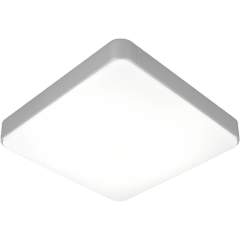
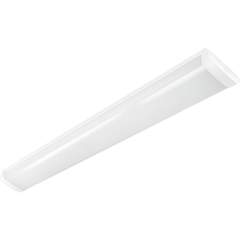
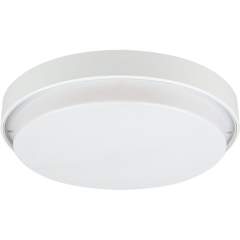
Glamox is a Norwegian luminaire manufacturer with a broad portfolio covering industrial, indoor, outdoor, emergency lighting and arm-mounted workplace luminaires. The range on esd.equipment includes industrial luminaires of the i-series (i10, i25, i55, i80, i81, i85, i90-P), pendant luminaires with elevated protection class (iG66, iG200, iG240), high-output pendants (i90-P, 30,000 lm), downlights, indoor luminaires, outdoor luminaires, emergency lighting systems, and arm-mounted magnifier lamps in the Circus, KFM and Wave ranges.
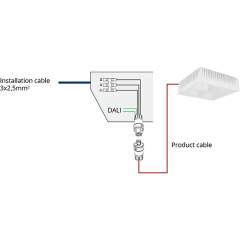
All Glamox industrial luminaires are available as DALI and HF versions and can be integrated into colour temperature and brightness control systems (TW option). Protection class ranges from IP20 to IP66 depending on the series.
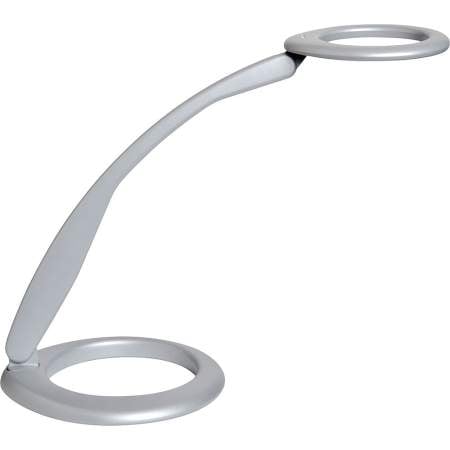 Workplace lightsArm-mounted luminaires for precision workstations and EPA zones
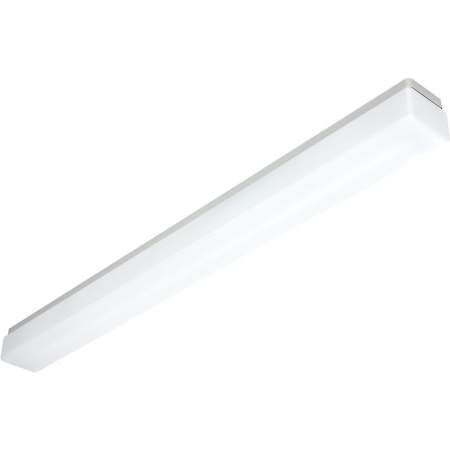 Industry lightingi-series, iG-series, MIL, MIX - industrial luminaires DALI/HF
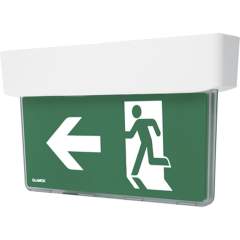
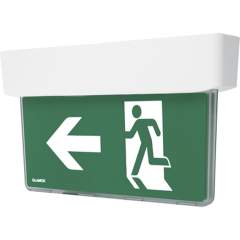
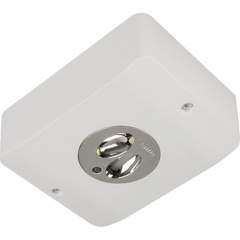
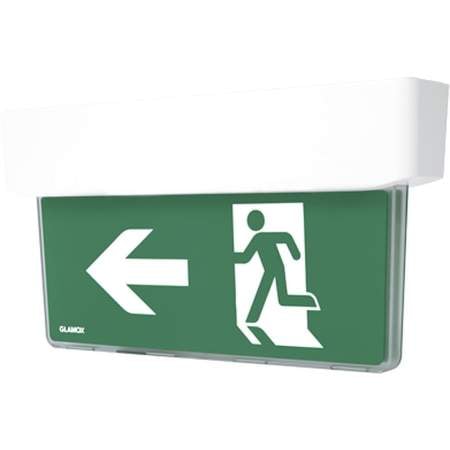 Emergency lightEmergency luminaire systems for escape routes and safety lighting
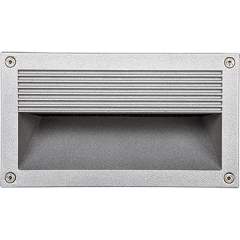
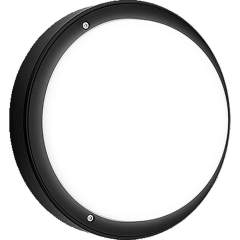
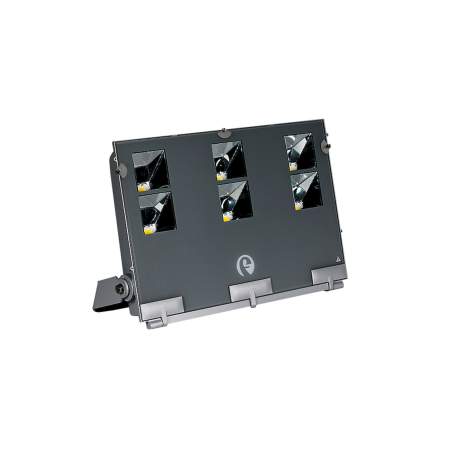 Outdoor lightsOutdoor luminaires for facades, pathways and industrial sites
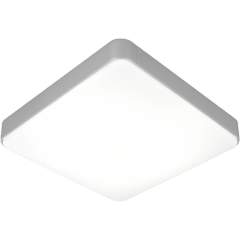
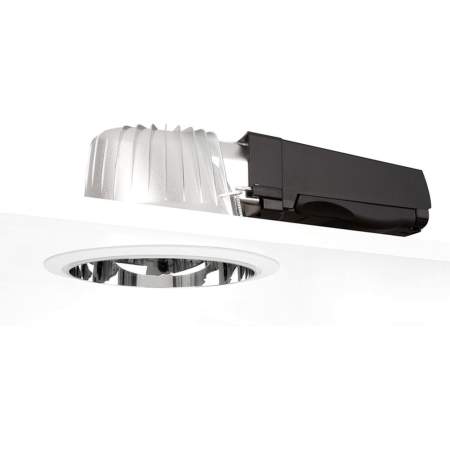 Downlights lightingLED downlights for recessed and surface ceiling mounting
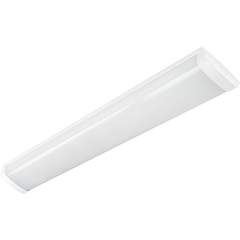
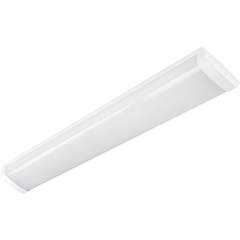
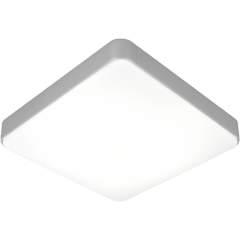
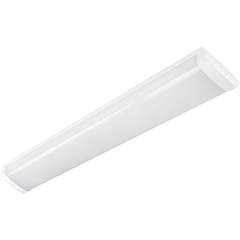
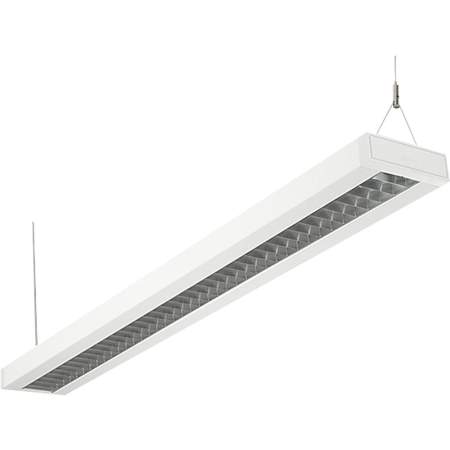 Interior lightsOffice and commercial luminaires, DALI-controllable
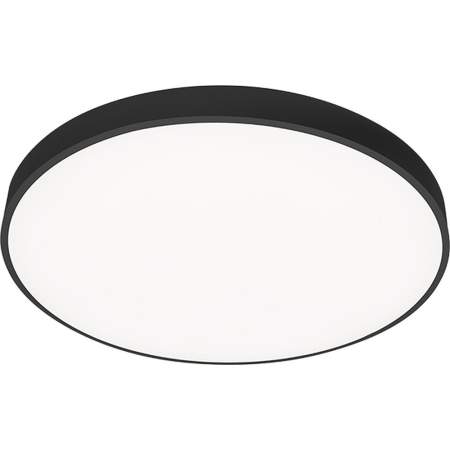 Decorative lightsPendant and design luminaires for offices and reception areas
 SpotlightLED spotlights for accent lighting and showrooms
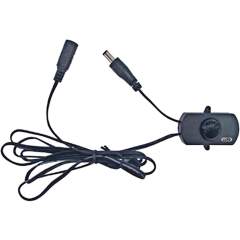
 Accessories for lightingMounting accessories, drivers and system components for Glamox luminaires
 Arm based lightsCircus, KFM, Wave, LFM - magnifier lamps 3.5 D to 5 D
| Series | Light output | Control | Typical use |
|---|---|---|---|
| i10 | 4,000 lm (1,200 mm) | DALI / HF | Low halls, rack storage |
| i25 | 1,100-4,000 lm (800-1,400 mm) | HF | Medium ceiling heights |
| i55 | 5,400-8,100 lm (1,500 mm) | DALI / HF, TW | Industry, production halls |
| i80 | 10,000 lm | DALI G2 | High-bay halls, cluster mounting |
| i81 | 14,000-18,000 lm | DALI / HF | High-bay racking, manufacturing halls |
| i85 | 4,500 lm | DALI / HF | Industry requiring heat generation (HTG) |
| i90-P | 30,000 lm | DALI | High output, halls from 10 m |
| iG66 | 4,700-5,800 lm (1,172 mm) | DALI / HF | Elevated protection class (IP66) |
| iG240 | 3,200-5,900 lm | DALI / HF | Round luminaire, IP65/IP66 |
Typical applications: Industrial and production halls (i55, i80, i81, i90-P), high-bay warehouses at elevated mounting heights (i90-P, cluster), food and pharmaceutical production requiring elevated protection class (iG66, IP66), office and commercial buildings (indoor luminaires, downlights), outdoor areas and facades (outdoor luminaires), and ESD workstations in EPA zones (KFM ESD, Wave ESD).