
Choosing a compressor: piston or screw, delivery and pressure?
Choosing a compressor comes down to four figures: free air delivery in l/min, working pressure in bar, tank volume in litres and duty cycle. The piston compressor works intermittently for workshops, the screw compressor delivers continuously for constant operation and high demand.
View compressorsPiston or screw - which type suits you?
The type follows the operating profile. The piston (reciprocating) compressor compresses intermittently and is ideal for workshops with changing, interrupted demand. The screw compressor compresses continuously and suits constant operation and high, steady air demand. For occasional work the piston is enough; for hours of running the screw plays to its strengths.
| Type | Duty | Typical use |
|---|---|---|
| Piston compressor | intermittent | workshop, trade, occasional demand |
| Screw compressor | continuous | constant operation, production, high demand |
Delivery, pressure, tank and duty cycle - what counts?
Four figures drive the sizing: the free air delivery (FAD, l/min) must cover the demand of all tools, the working pressure (bar) must match the highest value required, the tank volume (litres) buffers peaks, and the duty cycle states how long the compressor may run at a stretch.
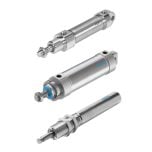
Size the delivery with reserve: add up the air demand and add a margin for simultaneous use and future expansion. That keeps the compressor from running permanently at its limit. Before the consumer, add an air preparation unit with filter and regulator.
Oil-lubricated or oil-free - and how loud?
An oil-lubricated compressor is robust and durable but releases fine oil traces into the air. An oil-free compressor delivers clean air and is a must wherever oil is a problem - in electronics, labs, food or painting. Also check the noise level, as piston machines are usually louder than screw units.
For noise-sensitive settings such as an office or lab, quiet enclosed models are available. Check the installation site for ventilation and service access so the compressor stays cool and reachable.
Frequently asked questions
Piston or screw compressor - which is better?
For workshops with interrupted demand the piston compressor is the affordable choice. For continuous operation and high, steady air demand the screw compressor is more efficient and built for continuous running.
How large should the delivery be?
Add up the air demand of all tools used at once in l/min and add a reserve. That keeps the compressor from running constantly at its limit and leaves headroom for expansion.
When do I need an oil-free compressor?
Wherever oil in the air is a problem - in electronics, labs, food or painting. Oil-free compressors deliver clean air; oil-lubricated ones are robust and often sufficient for a general workshop.
The right compressor for your air demand
Piston or screw, oil-lubricated or oil-free - matched to delivery, pressure and duty cycle.
Correctly sized
Delivery and pressure matched to your demand.
Reviewed
Content reviewed by pneumatics specialists.
Full range
Compressors, air preparation and accessories from one source.
Selection help
We help you choose the right products; technical details are clarified with the manufacturer.