
Air preparation: what does the filter-regulator-lubricator (FRL) unit do?
The service unit conditions compressed air for pneumatic components: the filter removes particles and condensate, the regulator sets the working pressure, the lubricator adds fine oil mist where needed. Order in the line and filter grade decide the air quality per ISO 8573-1.
View FRL unitsWhat does an FRL (filter-regulator-lubricator) unit do?
An FRL unit conditions compressed air before the consumer. It combines filter, pressure regulator and lubricator: the filter removes particles and condensate, the regulator holds the working pressure steady, the lubricator adds - where required - a fine oil mist. Cylinders, valves and tools then run clean and stable.
| Unit | Function | Effect |
|---|---|---|
| Filter | separate particles and condensate | clean, dry air |
| Regulator | set and stabilise working pressure | constant pressure, e.g. 6 bar |
| Lubricator | add fine oil mist | lubrication of moving parts |
In which order do filter, regulator and lubricator go?
The order is always filter - regulator - lubricator. The air is cleaned first, then regulated to the working pressure, and only lubricated at the end so the oil mist is not caught in the filter. The filter grade follows the application.
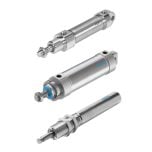
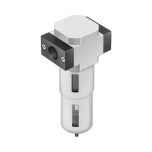
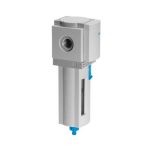
The units connect to each other and to the consumer with matching push-in fittings - see Pneumatic fittings.
Which air quality do I need per ISO 8573-1?
ISO 8573‑1 classifies compressed air by three contaminants: particles, water and oil. The lower the class number, the cleaner the air. The required quality decides the filter stages and whether the line runs lubricated or oil-free.
Drain condensate regularly and service the filter elements - this keeps the air quality stable over time.
Frequently asked questions
What does FRL stand for?
FRL stands for filter, regulator and lubricator. These three units prepare the compressed air: they clean it, set the pressure and, where needed, lubricate.
Do I always need a lubricator?
No. Many modern components run oil-free and need no lubricator. A lubricator is fitted only when cylinders or tools require continuous lubrication.
Which filter grade is right?
General pneumatics usually needs 40 µm, sensitive controls 5 µm. Oil-free and odour-neutral air additionally requires a micro or activated-carbon filter.
The right FRL unit for your compressed air
Filter, regulator and lubricator individually or as a combined service unit - matched to your air quality.
Per ISO 8573-1
Preparation to recognised air quality classes.
Reviewed
Content reviewed by pneumatics specialists.
Full range
Filters, regulators, lubricators and accessories from one source.
Selection help
We help you choose the right products; technical details are clarified with the manufacturer.