
Images are examples, some edited with AI. The technical data are authoritative. AI notice
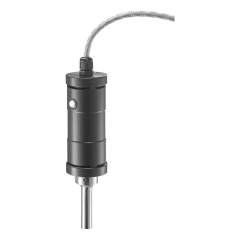
Temperature Sensor 0 to 120 °C for HD 5020/5050 - Bandelin Sonopuls TM 5000
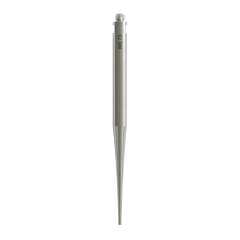
Ultrasound-resistant temperature sensor for the SONOPULS generators HD 5020 and HD 5050. It measures the sample temperature from 0 to 120 °C and activates the temperature module, allowing a cut-off limit for the energy input to be set.
- Specialist dealer since 2009
- Invoice payment for regular customers
- Worldwide shipping
- Technical questions clarified with the manufacturer
Description
The TM 5000 temperature sensor measures the temperature directly in the sonicated sample from 0 to 120 °C and protects against unwanted, excessive heating. When connected to the SONOPULS HD 5020 or HD 5050 generator it activates the unit's temperature module.
Benefits
- Measuring range 0 to 120 °C directly in the sample
- Ultrasound-resistant design for continuous use
- Activates the temperature module of HD 5020 and HD 5050
- Adjustable cut-off limit to stop the energy input automatically
- Prevents thermal damage to sensitive samples
Applications
The TM 5000 is used in the lab for temperature-sensitive applications such as cell disruption, homogenizing or emulsifying, where the energy input must not exceed a critical sample temperature. Once the set limit is reached, the generator switches off the ultrasound.
Technical data
| Order no. | 3763 |
|---|---|
| Measuring range | 0 to 120 °C |
| Compatible with | HD 5020, HD 5050 |
| Weight | 0.38 kg |
| Manufacturer | Bandelin |
| Manufacturer Nr. | 3763 |
| HS-Code | 84799080 |
| GPSR manufacturer information | BANDELIN electronic GmbH & Co. KG, Heinrichstraße 3-4, DE-12207 Berlin, bandelin.com |
| Condition of article | New |
| Article authenticity | Original product |
| Country of Manufacture | Germany |
| ESD version | TEC |
Downloads
Datasheet
Questions about this item
Any other question?
Send us the item number and your question. We clarify technical details directly with the manufacturer and usually reply on the next working day.