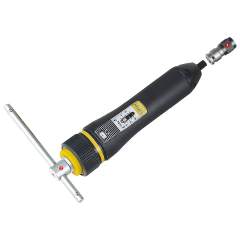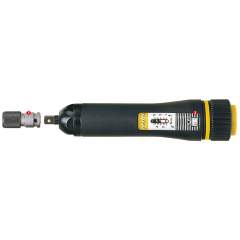
What are Proxxon MicroClick torque tools and which industries use them for precision assembly work?
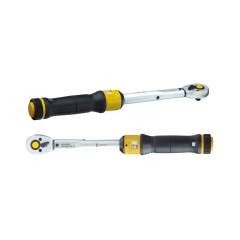
Proxxon MicroClick torque tools are precision torque wrenches and screwdrivers that provide accurate torque control from 0.4 Nm to 500 Nm for critical assembly applications. These tools are extensively used in automotive manufacturing, aerospace component assembly, electronics production, and precision machinery maintenance where exact torque specifications prevent component damage or failure. The MicroClick mechanism ensures repeatable torque application with audible and tactile feedback when the preset value is reached. Industrial technicians rely on these tools for engine assembly, electronic device manufacturing, and hydraulic system installation where over-tightening can cause expensive component failures.
How do I select the correct Proxxon MicroClick torque range for my specific assembly requirements?
Selection of Proxxon MicroClick torque tools depends on your specific torque requirements, with models ranging from the MC 2 (0.4-2 Nm) for delicate electronics to the MC 500 (100-500 Nm) for heavy mechanical assemblies. For precision electronics and small components, the MC 5 (1-5 Nm) or MC 10 (2-10 Nm) models provide the necessary sensitivity. Medium-duty applications like automotive components typically require the MC 15 (3-15 Nm) or MC 60 (12-60 Nm) ranges. The optimal torque tool should cover your required torque value within the middle 80% of its range to ensure maximum accuracy, as torque wrenches are most precise between 20% and 100% of their maximum capacity.
Which international standards govern Proxxon MicroClick torque tool calibration and traceability?
Proxxon MicroClick torque tools comply with ISO 6789 Type II specifications for hand torque tools, ensuring accuracy within ±4% of the set value across the entire operating range. These tools meet DIN EN ISO 6789 requirements for calibration traceability and measurement uncertainty documentation. Professional calibration should follow ISO/IEC 17025 standards using certified reference torque standards traceable to national metrology institutes. Regular calibration intervals typically range from 6 to 12 months depending on usage frequency and criticality of applications, with calibration certificates providing documented proof of measurement accuracy for quality management systems complying with ISO 9001 or AS9100 aerospace standards.
What are the key differences between Proxxon MicroClick screwdrivers and torque wrenches in the product range?
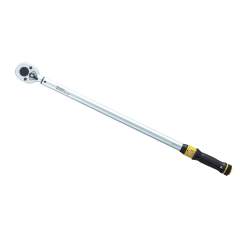
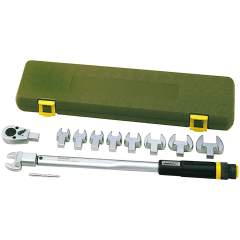
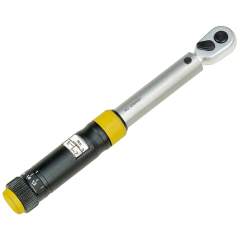
Proxxon MicroClick screwdrivers like the MC 2, MC 5, and MC 10 feature direct bit mounting and are designed for low-torque applications from 0.4 to 10 Nm, making them ideal for electronics assembly and delicate component work. MicroClick torque wrenches such as the MC 15, MC 60, MC 200-Multi, and MC 500 use standard square drive connections (1/4", 3/8", or 1/2") and cover higher torque ranges from 3 to 500 Nm for mechanical assembly applications. The screwdriver models provide precise control for small fasteners and sensitive components, while the wrench models accommodate standard sockets and extensions for larger bolts and nuts. Both tool types feature the same MicroClick release mechanism but differ in their mounting systems and intended torque applications.
What drive systems and socket compatibility do Proxxon MicroClick torque wrenches support?
Proxxon MicroClick torque wrenches feature standard square drive connections compatible with industry-standard sockets and accessories, with the MC 15 using 1/4" drive, medium-range models utilizing 3/8" drive, and high-torque models like the MC 200-Multi employing 1/2" drive systems. These drive systems accept standard chrome vanadium or chrome molybdenum sockets conforming to DIN 3120 or ISO 1174 specifications for dimensional accuracy and strength. The square drive design allows use of extension bars, universal joints, and specialized sockets while maintaining torque accuracy when proper calculation factors are applied. Installation requires only the appropriate socket selection and preset torque adjustment using the calibrated scale, with no additional mounting hardware or system integration needed for most assembly applications.
What are the operating temperature limits and environmental specifications for Proxxon MicroClick torque tools?
Proxxon MicroClick torque tools operate reliably within a temperature range of -10°C to +60°C while maintaining their specified ±4% accuracy tolerance according to ISO 6789 standards. The tools feature corrosion-resistant chrome vanadium steel construction with satin chrome plating that provides protection in industrial environments with humidity levels up to 85% relative humidity non-condensing. While not explicitly rated for wet environments, the sealed mechanism design protects internal components from dust and light moisture exposure typical in manufacturing facilities. Storage temperature range extends from -20°C to +70°C, and the tools should be stored in dry conditions to prevent calibration drift and ensure long-term accuracy retention throughout their operational service life.
How often should Proxxon MicroClick torque tools be calibrated and what maintenance procedures are required?
Proxxon MicroClick torque tools require professional calibration every 12 months or after 10,000 cycles of use, whichever occurs first, to maintain ISO 6789 accuracy specifications and measurement traceability. Daily maintenance involves cleaning the tool with a dry cloth and returning the torque setting to its minimum value after use to reduce spring tension and prevent calibration drift. Weekly inspection should verify smooth operation of the adjustment mechanism and check for any visible damage to the drive square or handle. Monthly lubrication of the drive square with light machine oil prevents corrosion and ensures smooth socket engagement, while annual professional calibration using certified torque standards provides documented verification of accuracy and compliance with quality management system requirements.