
Valves
Electrically and pneumatically operated directional control valves
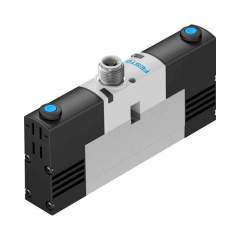
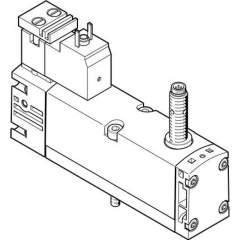
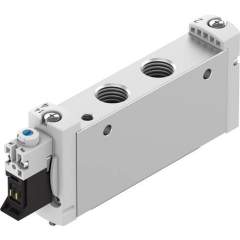
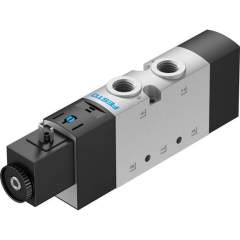
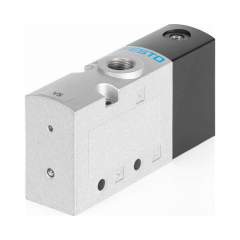
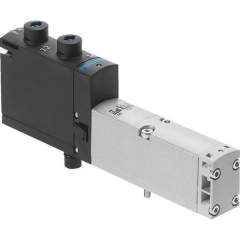
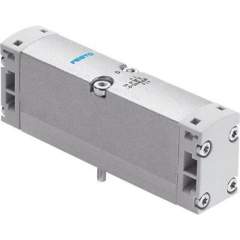
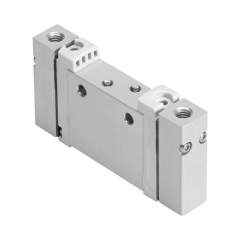
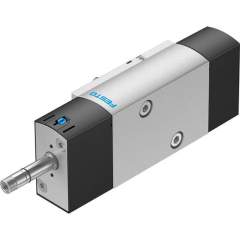
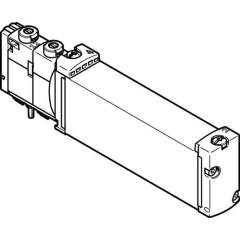
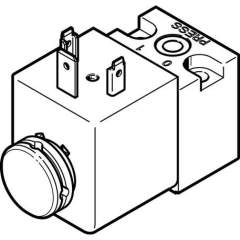
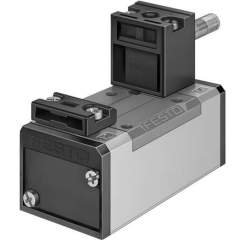
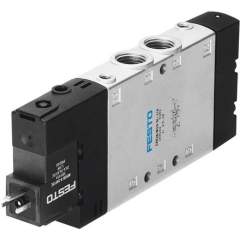
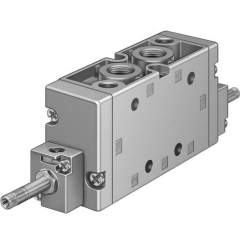
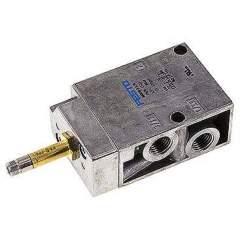
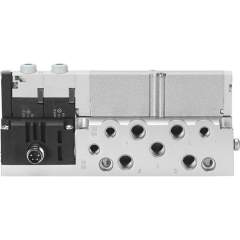
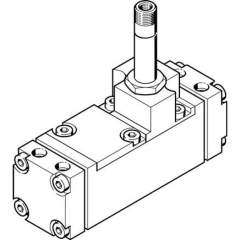
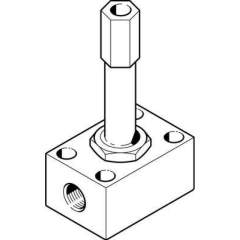
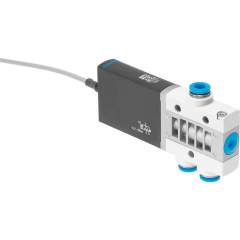
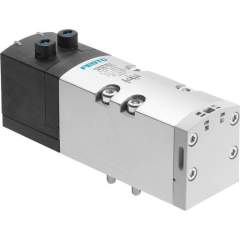
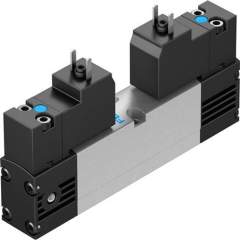
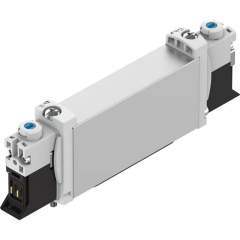
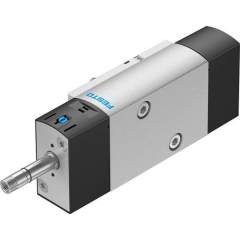
Festo electrically and pneumatically operated directional control valves control compressed air and gas flows in automation systems, switched by solenoid coil or pilot compressed air. The range divides into standard valves to ISO 5599-1, ISO 15218, and Namur valves to VDE/VDI 3845, into universally applicable valves (CPE, VSVA, VUVS, VMPA), and into application-specific directional valves for special requirements. Plug-in, single-connector, and central-connector versions of the VSVA series address different wiring concepts.
- 2,511 items
- 3 subcategories
- 1 manufacturer
- Net prices plus VAT

Buying guide
How to choose Electrically and pneumatically operated directional control valves
What matters when choosing: properties, comparison and typical applications.
Technical overview - actuation types and standards
Selection criteria
The choice between standard, universal, and application-specific valve depends on the connection standard (ISO 5599-1 for maximum interchangeability), operating pressure, switching frequency, and wiring concept. Plug-in valves mount directly on valve terminals; single-connector valves suit decentralised mounting. Namur valves to VDE/VDI 3845 are designed for mounting on pneumatic rotary actuators in Ex zones.
Typical applications
Typical applications: Automation systems with centralised and decentralised valve terminals, special machines with mixed electrical and pneumatic control circuits, assembly lines with frequent cylinder changes, process plants in Ex zones, and test benches with documented switching characteristics.