
Compressed air preparation
Condensate drain
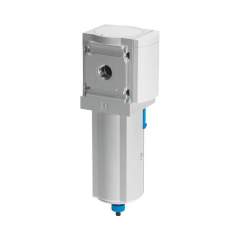
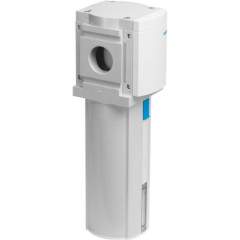
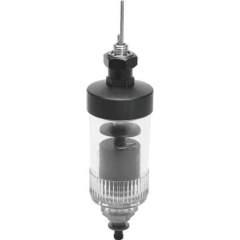
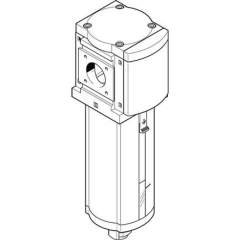
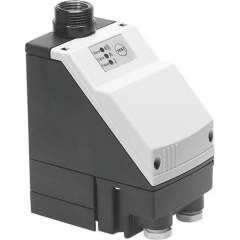
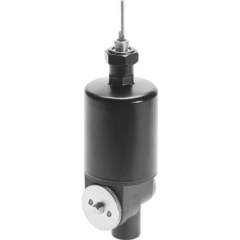
Festo condensate drains and water separators remove accumulated condensate from compressed air systems before it damages valves, cylinders, or downstream processes. The PWEA series (PWEA-AC-3D, PWEA-AC-6A, PWEA-AC-7A) comprises electronically controlled condensate drains that discharge condensate on a timed or demand-controlled basis. The WA series (WA-1-B, WA-2) provides pneumatically actuated drain valves for simpler applications. MS-series water separators (MS4-LWS, MS6-LWS, MS9-LWS, MS12-LWS) are additionally available for installation in service block assemblies.
- 10 items
- 1 manufacturer
- Net prices plus VAT
Buying guide
How to choose Condensate drain
What matters when choosing: properties, comparison and typical applications.
Technical features
Product overview
| Type | Function | Control | Port |
|---|---|---|---|
| PWEA-AC-3D | Electronic condensate drain | timed | flange |
| PWEA-AC-6A | Electronic condensate drain | demand-controlled | flange |
| PWEA-AC-7A | Electronic condensate drain | demand-controlled | flange |
| WA-1-B / WA-2 | Pneumatic condensate drain | manual / pneumatic | standard |
| MS6-LWS-1/4-U-V | Water separator, modular MS6 system | manual (V) | G 1/4 |
| MS9-LWS-G-U-V | Water separator, MS9 system | manual (V) | G (flange) |
Typical applications
Typical applications: Compressed air compressor installations with high condensate accumulation (particularly in summer operation and high ambient humidity), inlet point upstream of compressed air filters and service blocks, pneumatic systems in food and pharmaceutical operations requiring dry process air, and automated production lines where manual maintenance intervention for condensate draining is not practical.